

WHO WANTS WINE?
We recently traveled to San Francisco to visit our son, Cooper.
I think I’ve mentioned this previously; our son has been working as a traveling nurse for a little over a year now. San Francisco has been his home since last November. Getting out to see him and taking some time to check out San Francisco has been on our radar since he has been there, but it took until this past summer to make it happen.
We traveled out to SF some twenty-plus years ago, but we really didn’t spend much time in the city itself. It just so happens that Napa Valley ...and lots of wine tasting ...is a short drive from San Francisco and somehow, we managed to spend most of our time there instead!
Cheers!
Anyway, we made it out to see him back in August, literally days before he finished his time there and moved on to his next nursing contract.
We had a wonderful time!
Cooper was a fantastic tour guide, and he made sure we saw all the popular sights. We explored Pier 39, checked out the sea lions, had lunch in Chinatown, had dinner in Little Italy, walked across the Golden Gate Bridge, rode in a Waymo self-driving car, toured the city in a double-decker bus, traveled across town in a historic cable car...and a whole lot more.



We even managed to sneak back over to Napa for a day!
It was a great time!
If you have a chance to visit San Francisco, go. It’s a beautiful city, and there’s lots to do. However, be prepared. San Francisco can be cold, even in summer. The chill was a nice break from the summer heat we were dealing with back here at home, but it was a shock to our system. It was surprising how cold it was. Pack extra layers. You’ll need them!
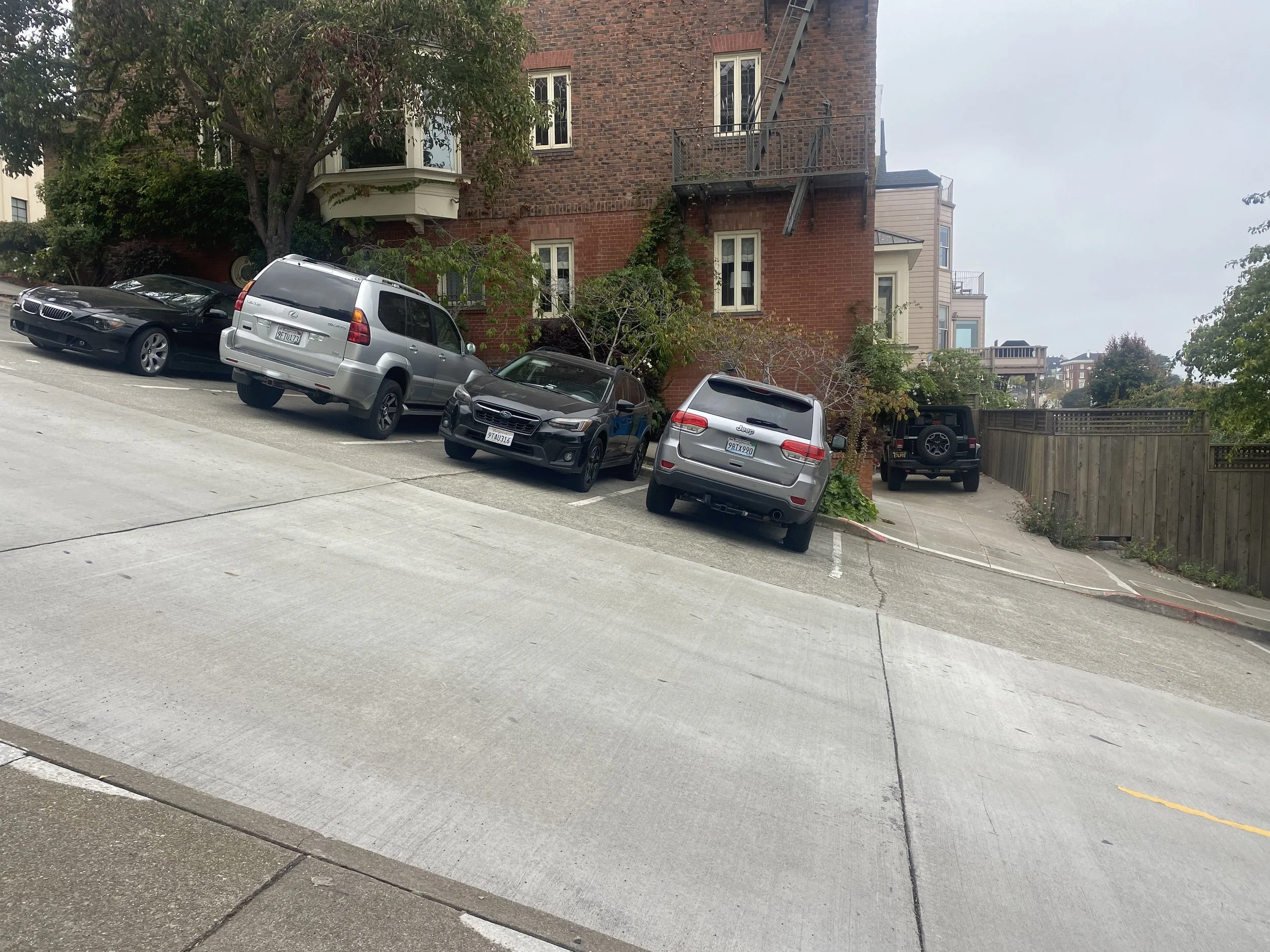

There was a lot within walking distance ...as the crow flies ...but SF has hills, very steep hills. A short walk can turn into a major trek because of the extreme topography. My advice: call for a ride, and if you’ve never experienced a driverless car, call a Waymo!

Cameron Rees, General Manager
We returned from our trip back to a burnt-up world. After a long stretch of frequent rains, the tap shut off and the heat settled in. I think we all knew the good times couldn’t go on forever.
The heat hung around longer than expected, and the rain stayed away too...until recently. Cooler weather has taken over, and thanks to recent rains, things are soaked back up. It’s beginning to feel a little like fall ...finally.
It’s time to get busy!
—Cameron Rees
“THYMELY'' ADVICE: It’s time TO PLANT GRASS SEED!
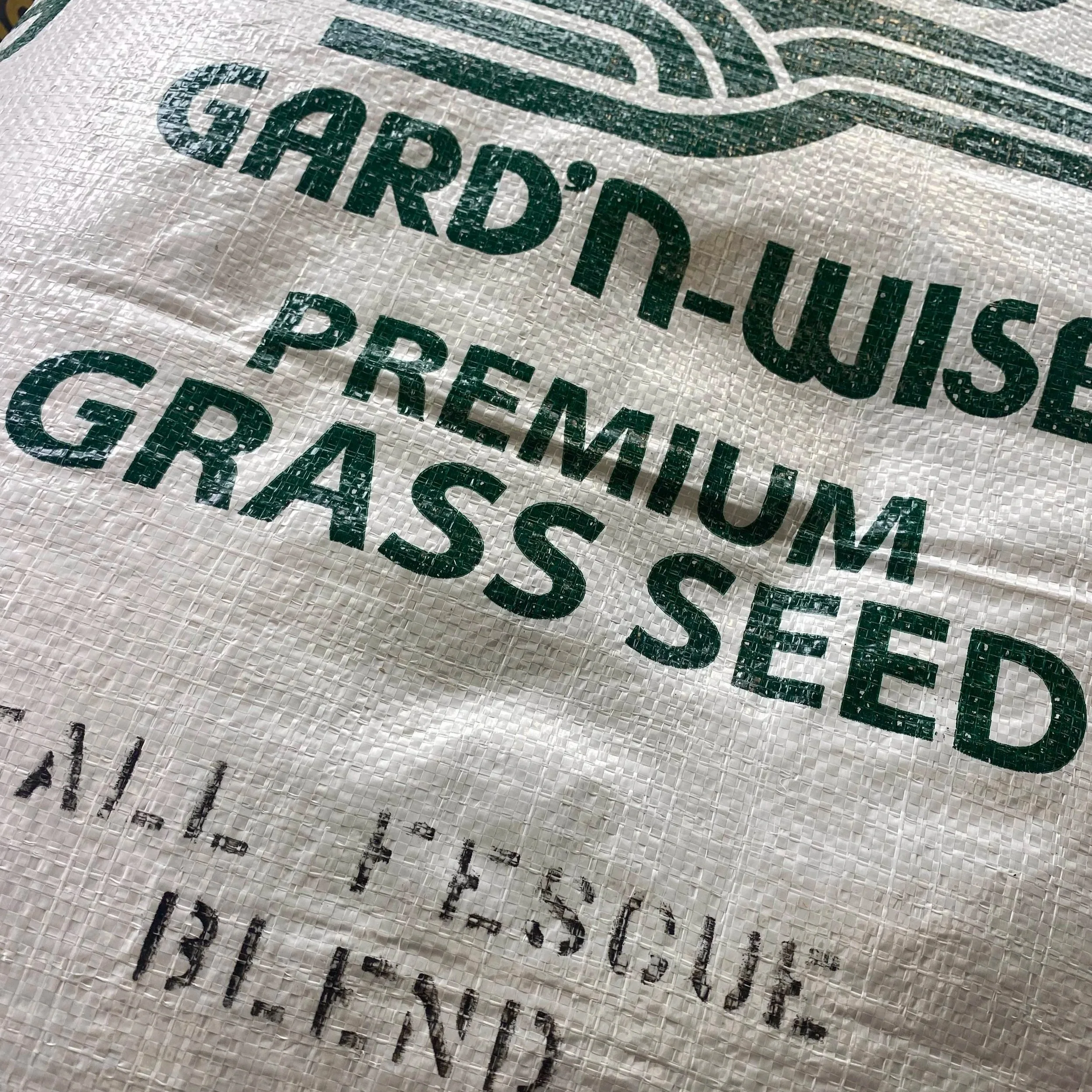
Fall is the best time to plant grass seed.
In our area, we typically aim to plant new grass from about mid-August through mid-October...and often through late October. We’re right in the middle of that target now.
Getting a good stand of grass to grow from seed isn’t complicated, but it also isn’t as simple as just throwing grass seed out and hoping for the best. It does take some work to plant it correctly.
Here are a few tips.
Overseeding – If you are adding new grass seed to an existing stand of grass to thicken it back up, we call that overseeding. For most yards, you will want to aim for 3-4 pounds of seed per 1,000 square feet.
Start by mowing your lawn as short as you can without damaging your mower or scalping the turf. This will generate a lot of debris, and you need to remove it. Either bag it with your mower or rake it up when you are done...and don’t throw it away...compost it!
Next, rent a piece of equipment called a verti-slicer. These are also commonly called lawn rakes, power rakes, or lawn combs. They have a horizontal shaft with lots of short vertical blades that spin at a high rate of speed and cut shallow grooves through the existing grass and into the soil. They are readily available at rental shops across town and look a lot like a push mower.
Run the verti-slicer across the entire lawn in parallel passes. This will pull up a lot of debris- old grass clippings and some grass plants- but that’s okay; that’s what you want it to do. Clean all of that up as well, also adding to your compost pile.
Now your lawn is ready to be seeded. Apply the correct amount of high-quality grass seed and follow that with the right amount of Fertilome New Lawn Starter. Apply both at a reduced rate, making multiple passes in different directions until the correct amount has been applied. This will help ensure a more even distribution of both the grass seed and the fertilizer.
Now, at this point, you might think you are done...but you’re not! Go back to that verti-slicer you rented and use it one more time. Run across the entire yard, again making parallel passes, but this time go at a 45-degree angle from the first pass. This last pass is crucial. It creates a few more openings in the ground for the seed while, at the same time, making sure the seed you put down is in good contact with the soil. You’ll generate a little more debris with this pass, but this time, leave it be. It will lie on top of everything you just applied, helping mulch your new seed bed. The new grass seedlings will come right up through it.
Your final step is watering. For grass seed to germinate, they need water, and for germinated grass seedlings to stay alive and grow, you can’t let them dry out. Your goal during this first stage is to keep the seed bed moist...not standing in water...just moist. Keep in mind, the seed bed is just the upper soil surface...like the top inch. This is the time when we move away from the deep, long soakings we normally preach about and just focus on quick, light waterings. You just need to keep the upper soil surface from drying out. Be prepared to water 2 or 3 times a day...or even more if needed...until your seeds have germinated. That should take about a week.
Once you have full germination, reduce the watering frequency, but increase the watering duration. As your new grass seedlings develop, new roots grow deeper; the water you are applying needs to go deeper too.
Your last tip...start mowing as soon as your grass needs cutting. Do be gentle, but don’t spare the mower. Mowing will trigger better grass growth and help thicken things up.
Seeding Bare Ground – If you’re planting your yard for the first time, or if you’re starting an old lawn all over again, you are seeding into bare ground. For this, you’ll need to apply seed at a heavier rate, using 6-8 pounds per 1,000 square feet.
Smooth things out and make sure the soil surface is roughed up and loose.
Apply the correct amount of high-quality grass seed and starter fertilizer....Gard’n Wise Premium Tall Fescue and Fertilome New Lawn Starter. Apply each separately, using a reduced rate but making multiple passes until the correct amount is applied.
Lightly rake or harrow the seed in. You’re aiming to just barely cover the seed with some soil...about ¼” to ½” deep.
Start watering, following the same pattern as described above: frequent light waterings until you get full germination, then slowly switching over to deeper, less frequent soakings as your new stand continues to develop
Mow as soon as it is tall enough to be mowed...that’s about 3”, cutting no shorter than 2 ½”. Once again, be gentle. Your new stand of grass will benefit from the mowing, but with all the watering, the ground will be soft, making it easier to tear things up.
There’s a lot of information there. If you are overwhelmed or maybe still a little confused, stop by and talk with us. We’ll walk you through it and answer any questions you still have.
Some final tips:
Use the correct seeding rate! Planting your stand too thin makes it more vulnerable to weed competition, while planting it too thick overcrowds the stand, making it more susceptible to disease, weather, and failure from excessive competition. More is definitely not better! Get a rough idea of how large the area you will be seeding is, then do the math. Aim for 6-8 lbs of seed/1000 sq ft for new lawns. Cut that in half, so 3-4 lbs/1000 sq ft, for overseeding projects. If you are planting grass seed in shady areas, cut both of those rates in half.
Use only high-quality grass seed. Bags of grass seed can contain more than just the seed you are wanting to plant. A quick look at the label will tell you if that’s the case. Cheap grass seed is typically just that, cheap. It will come loaded with lots of unwanted seeds. On the label, those will show up as either Crop Seed or Weed Seed, and it doesn’t take much of either to ruin a bag of seed. Check the label and buy your seed from someone you can trust, and hopefully that’s us! We bring in the highest quality seed we can find. Yes, it will be a little more expensive, but this is definitely a case where you get what you pay for.
Proper watering makes or breaks most seeding projects. Once a grass seed absorbs water and the germination process starts, it cannot be allowed to dry out. If it does, it dies...end of story. No amount of water at this point will make up for a dry stretch. Keeping a seed bed moist takes frequent light waterings. Think multiple times a day, but bottom line, do it as needed, however frequent that is. You should see signs of germination in 5-7 days but continue to keep things moist until everything is up and growing. Once your stand is fully germinated, gradually reduce your watering frequency, while at the same time, gradually increase watering duration.
Ask for help. As I said to begin with, getting a nice lawn established isn’t complicated, but it does require some attention to detail. If you are unclear on any of the steps or need help calculating how much seed you actually need, just ask. We’re here to help!
Good luck!
—Cameron Rees
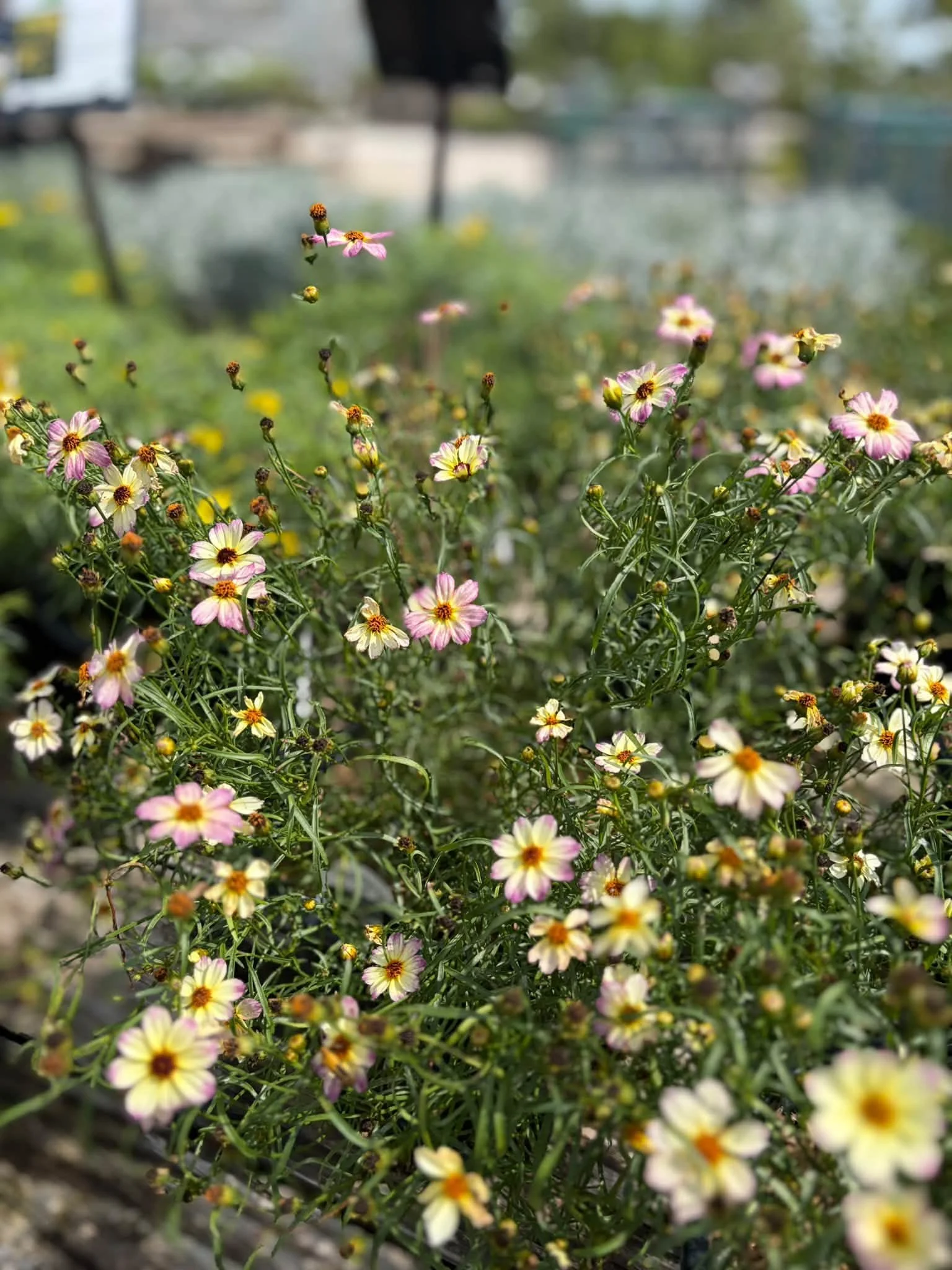
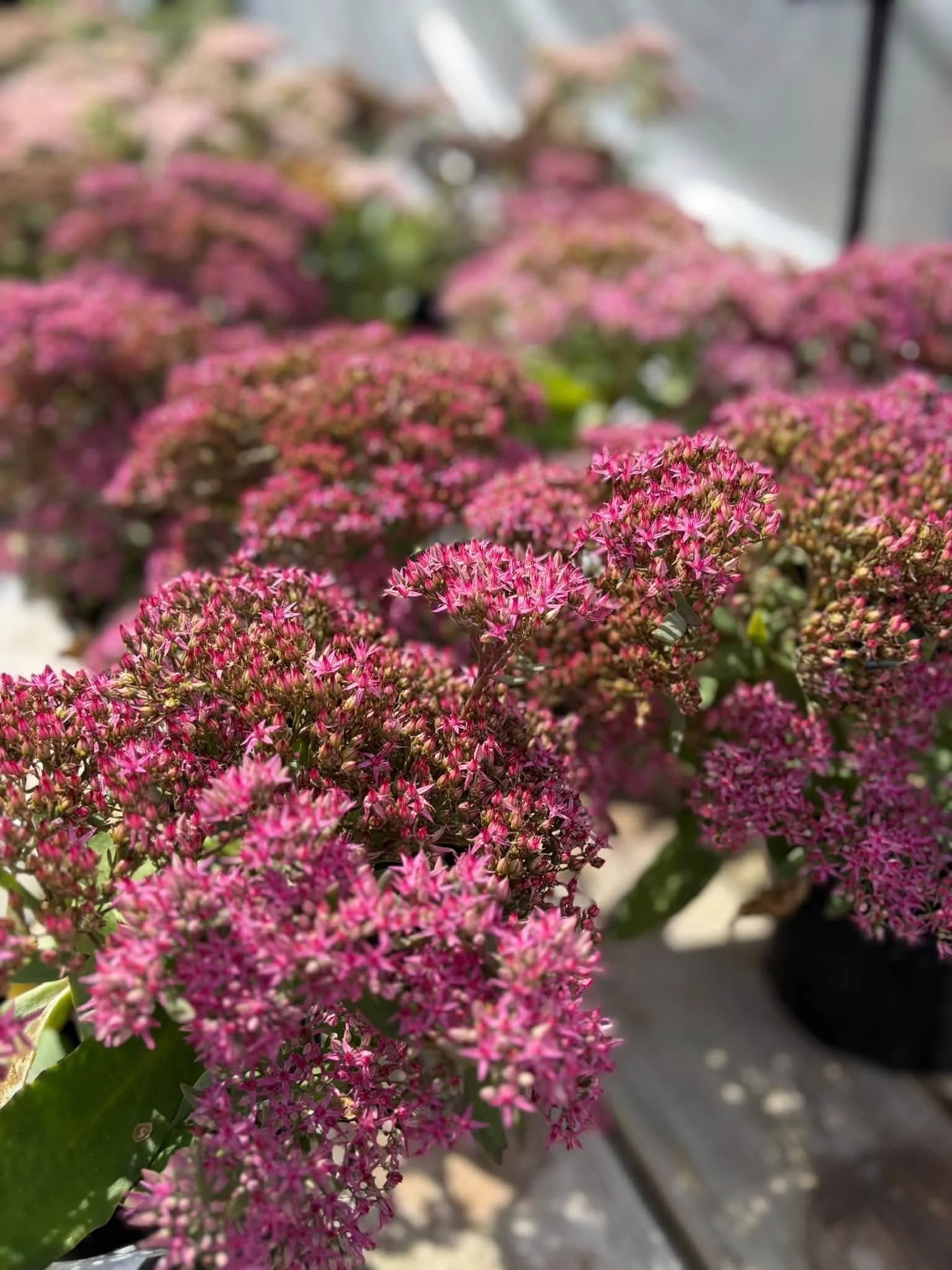
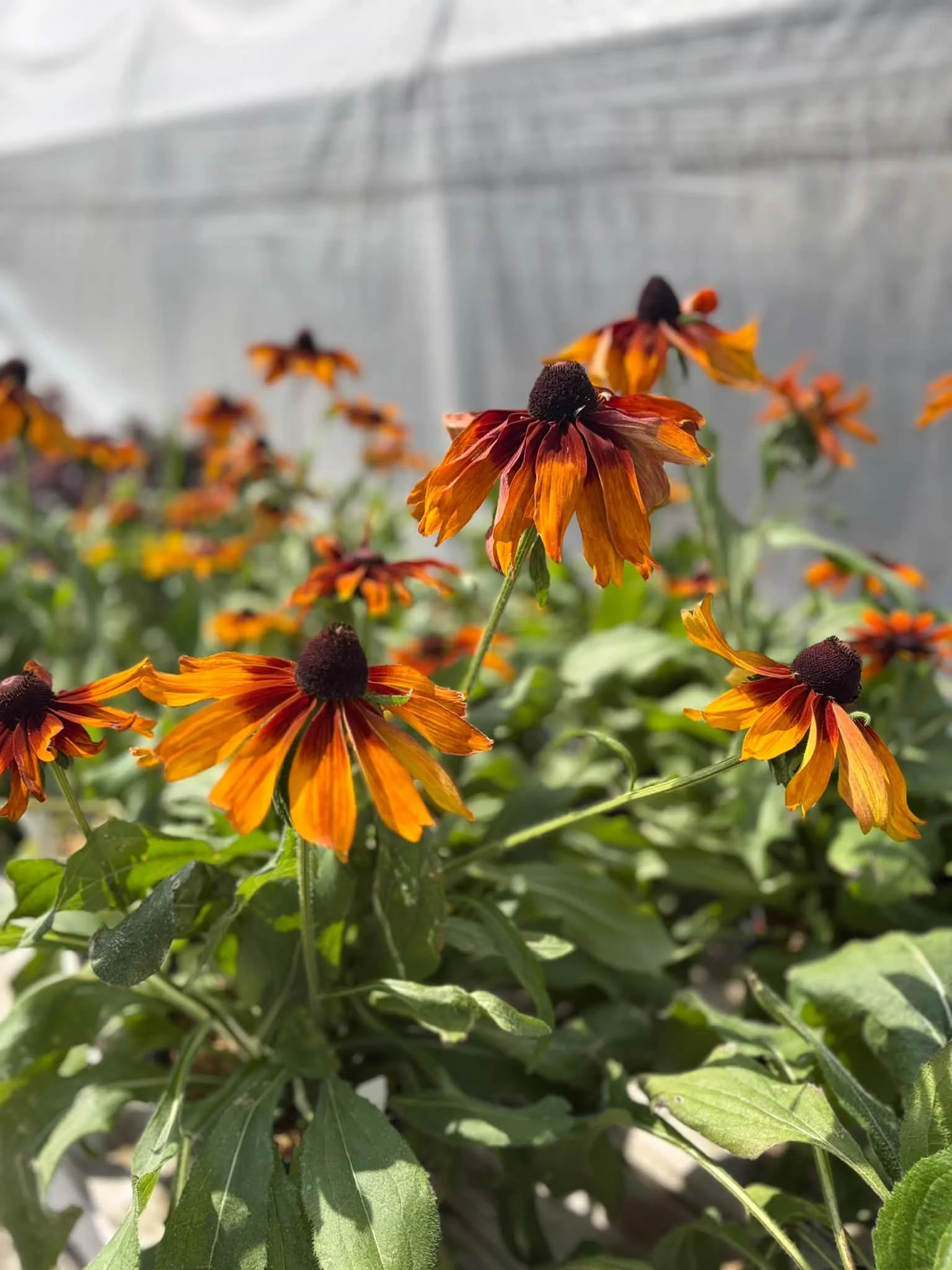
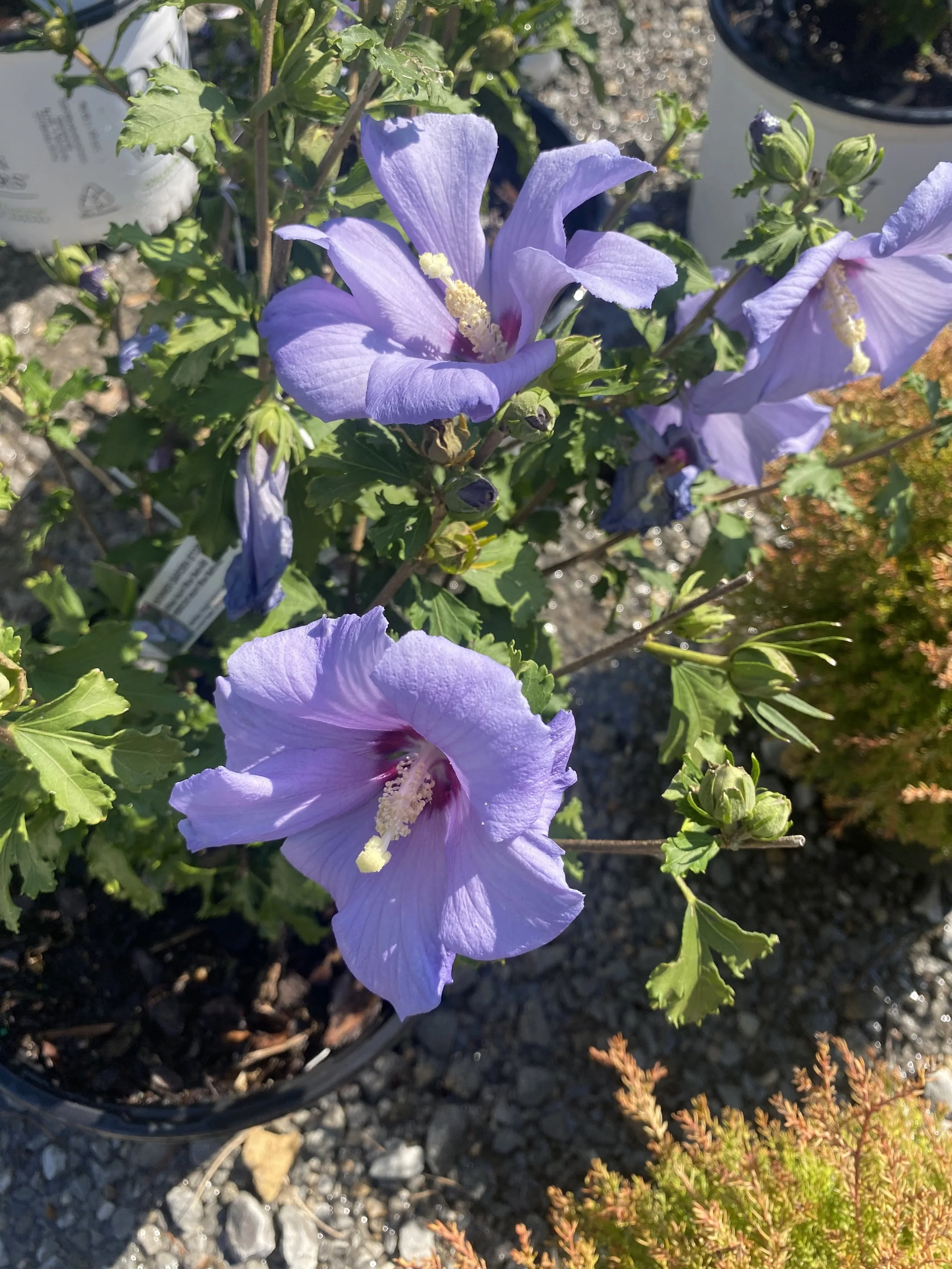
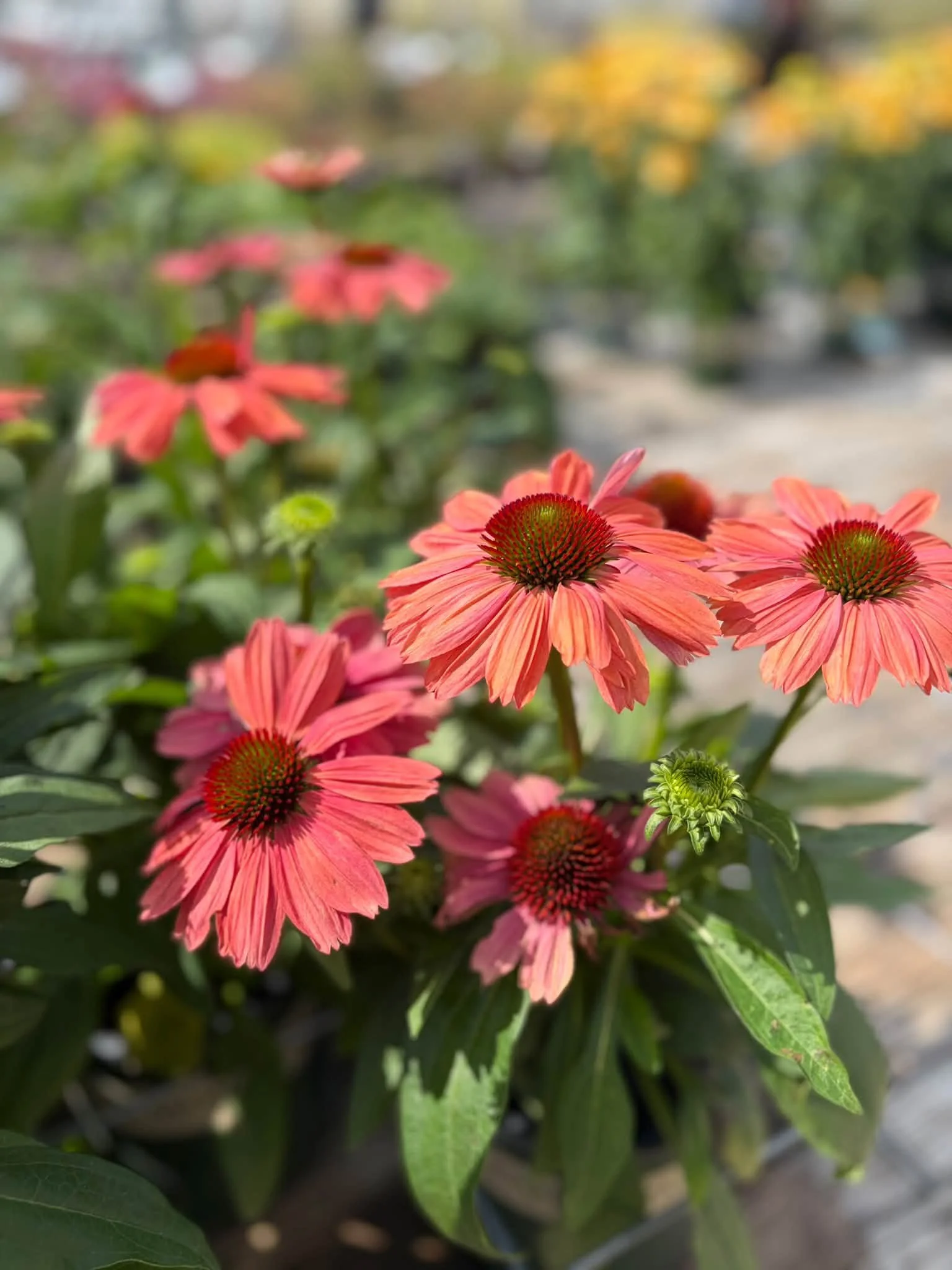
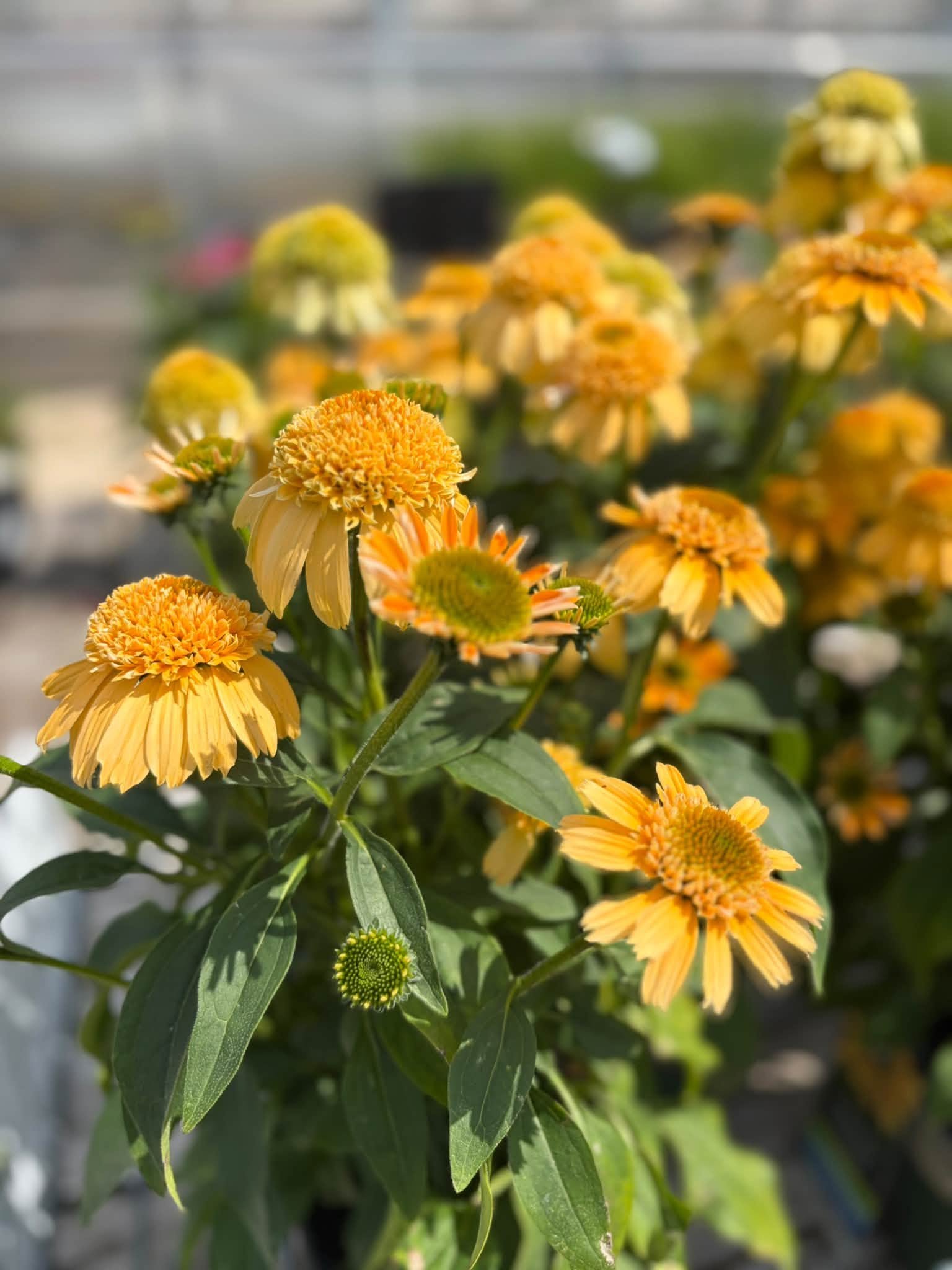
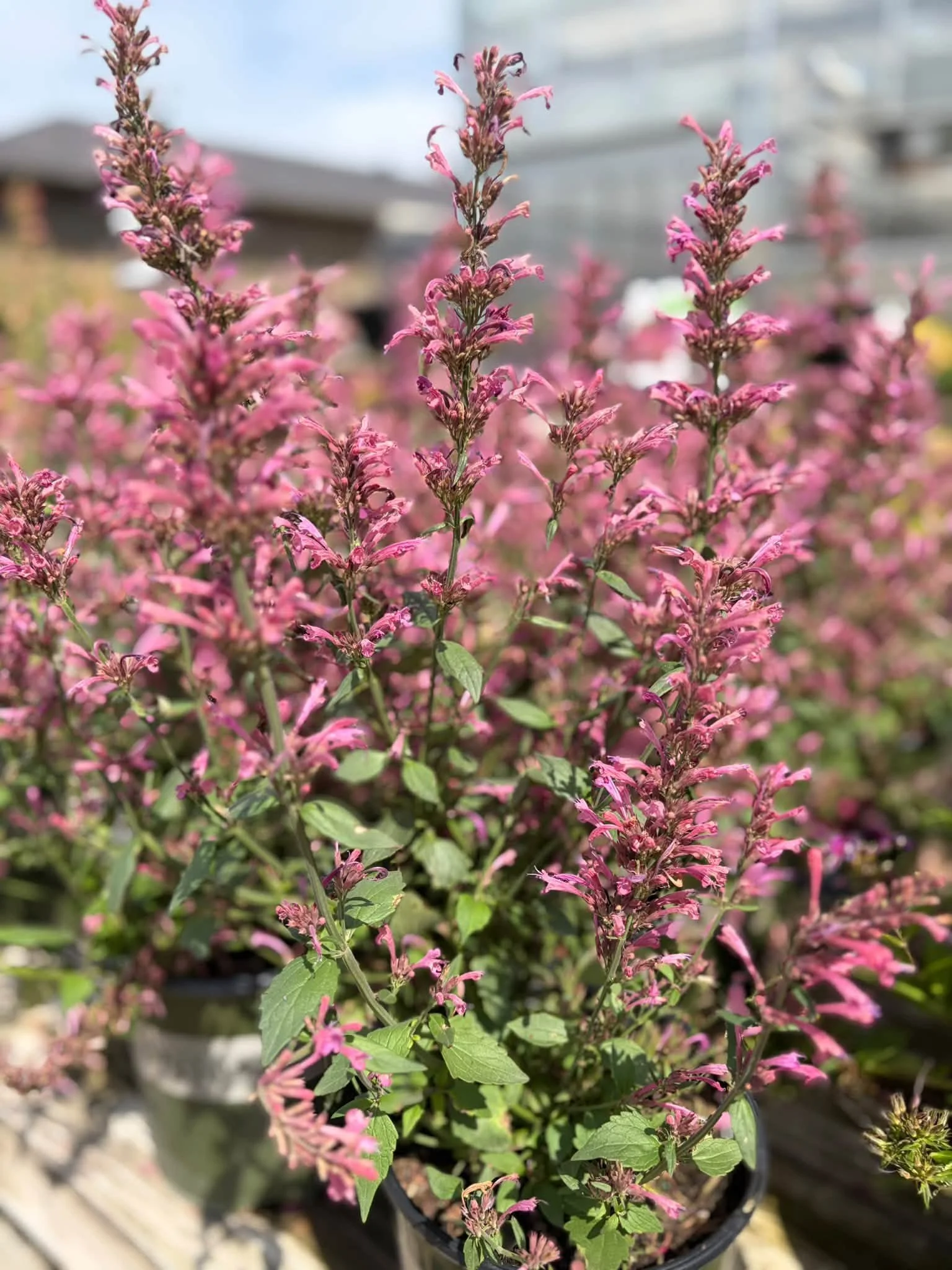
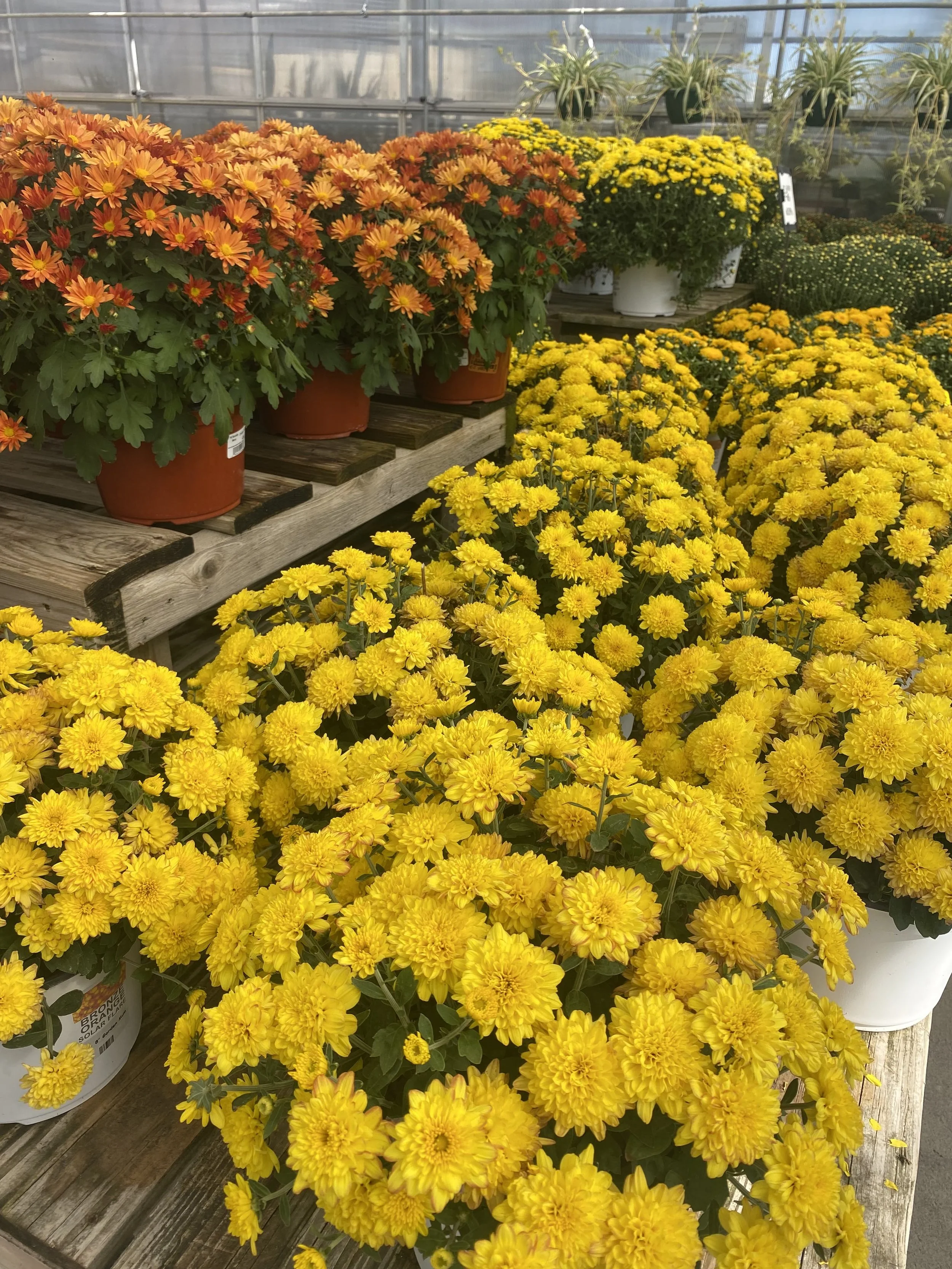
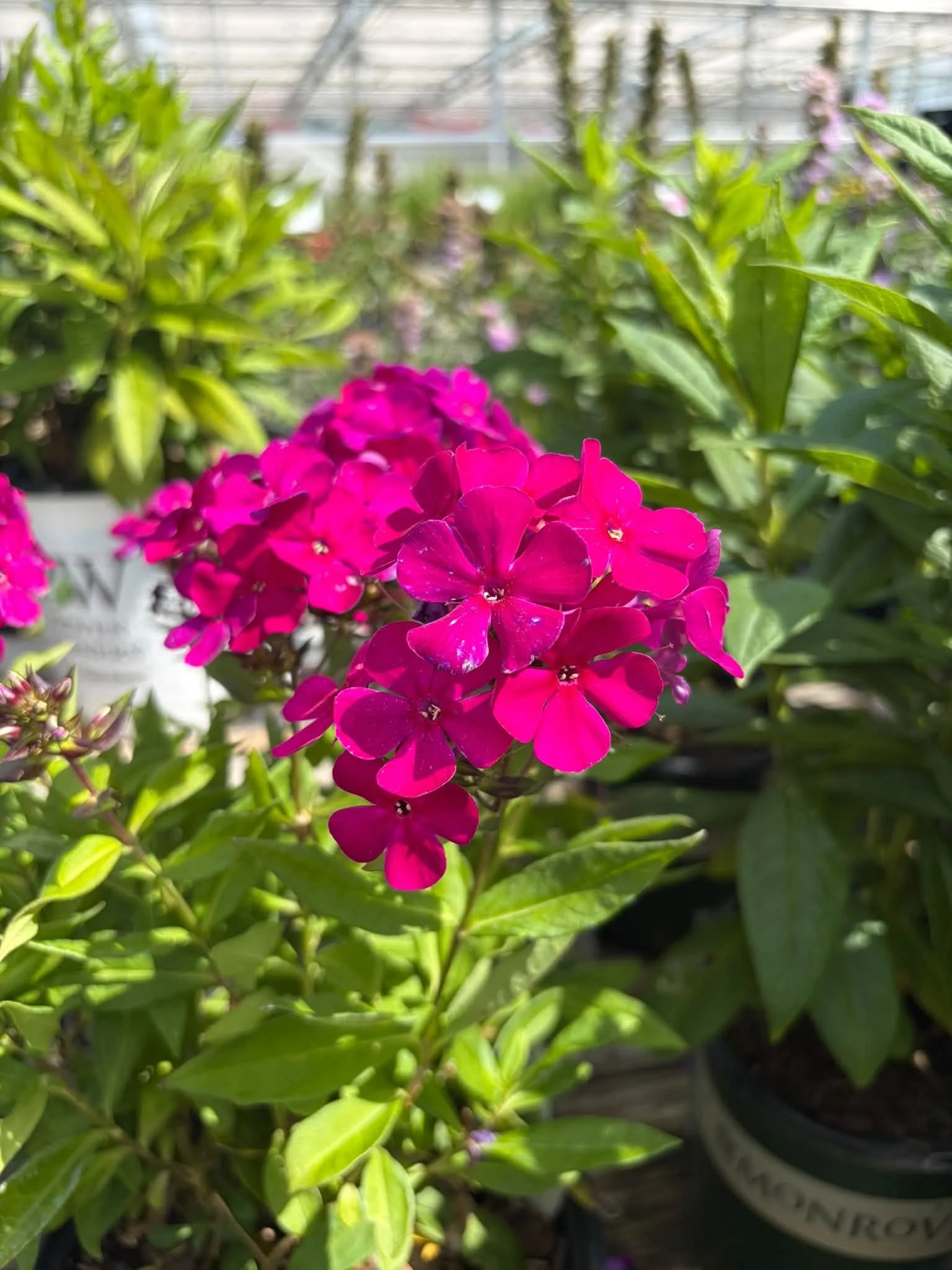
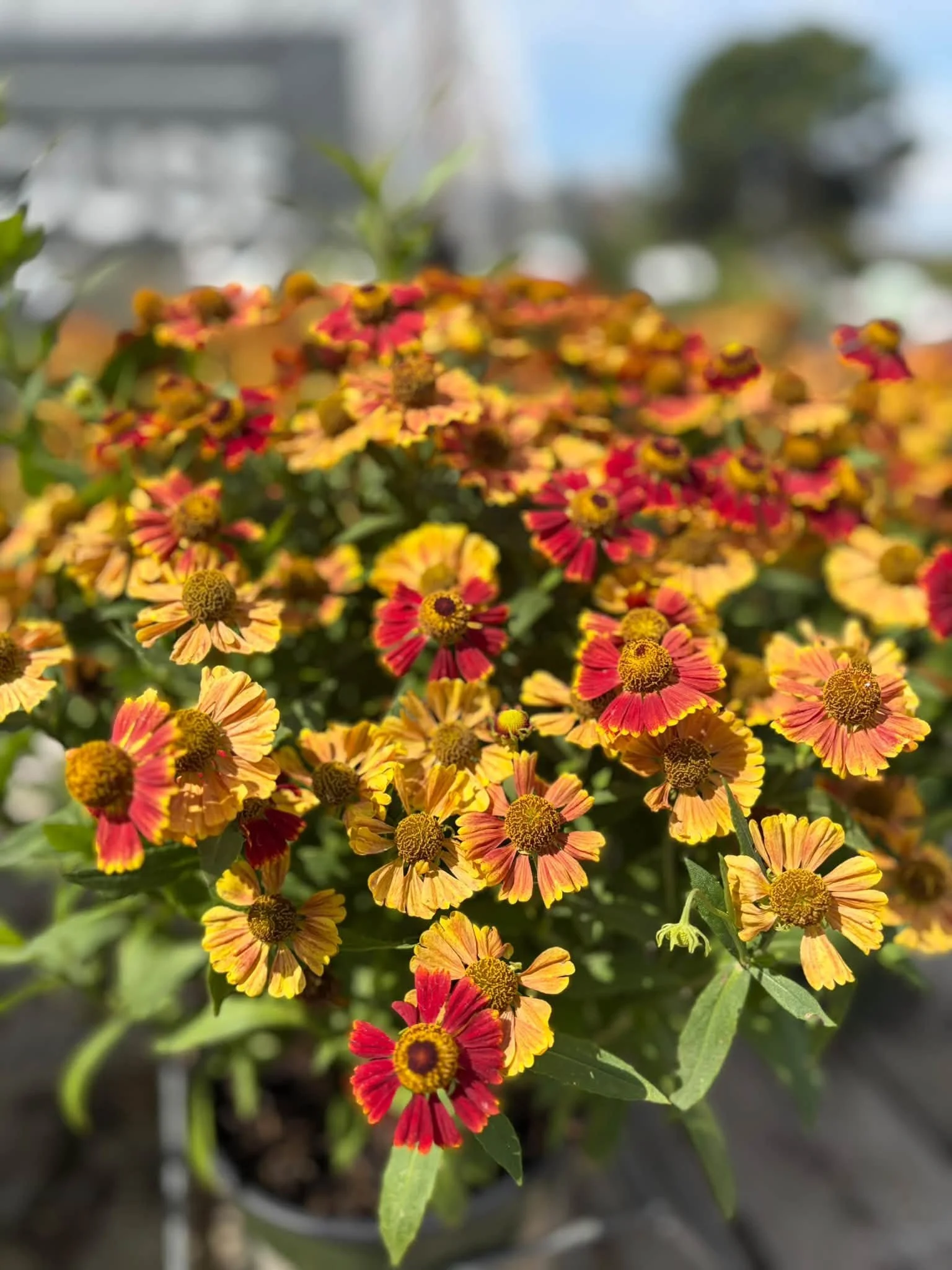
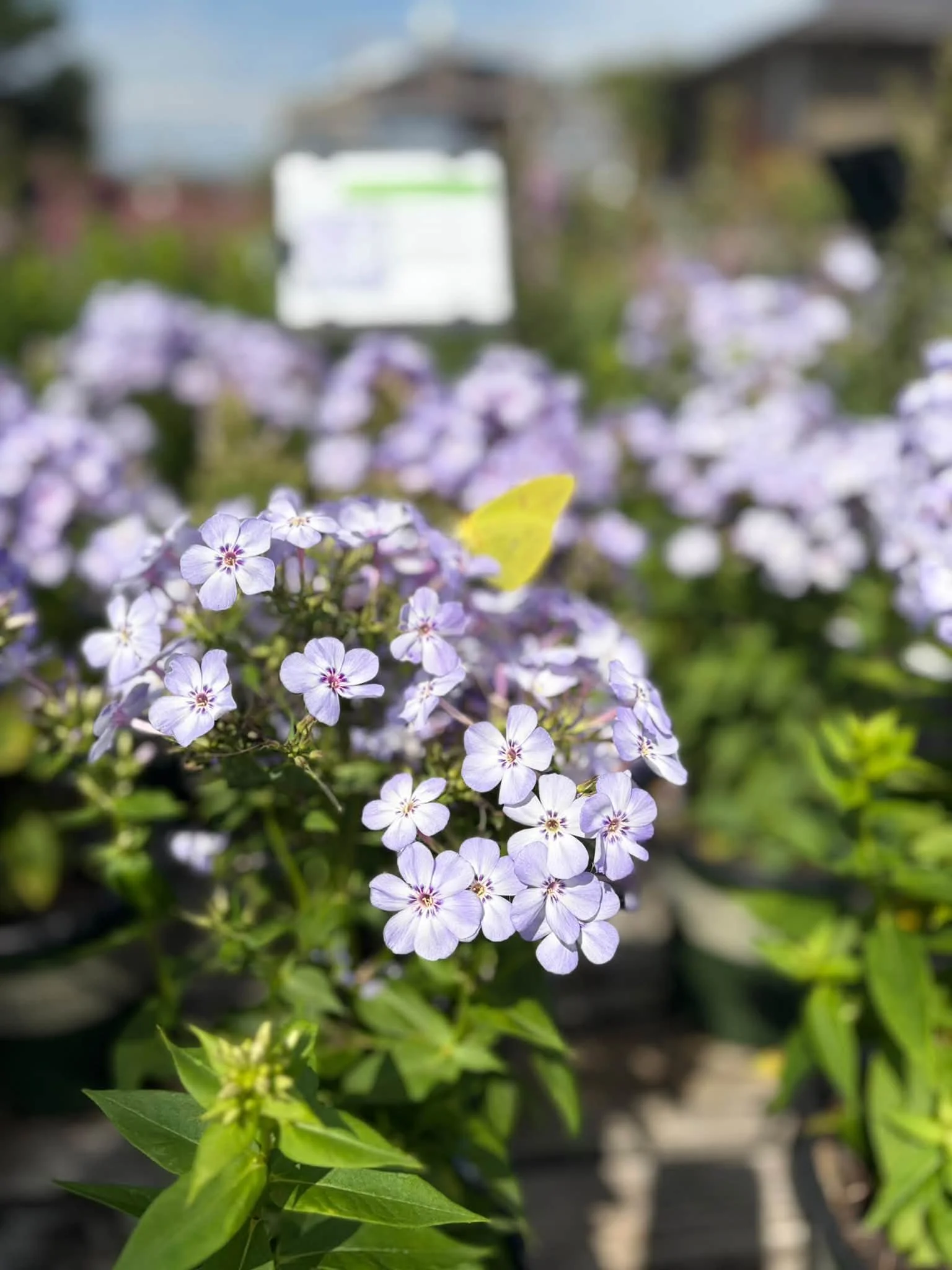
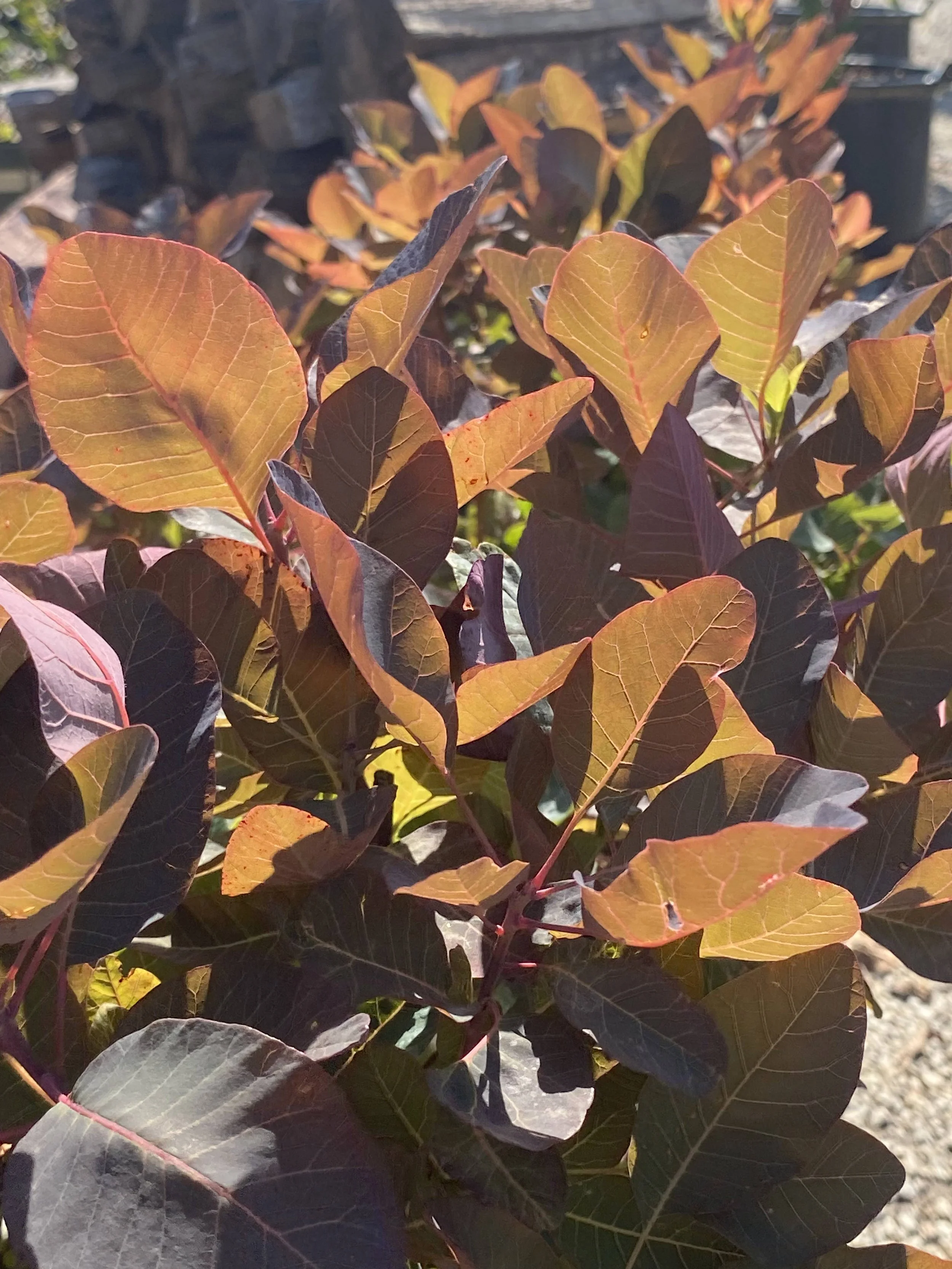
IT’S TIME TO PLANT… EVERYTHING!
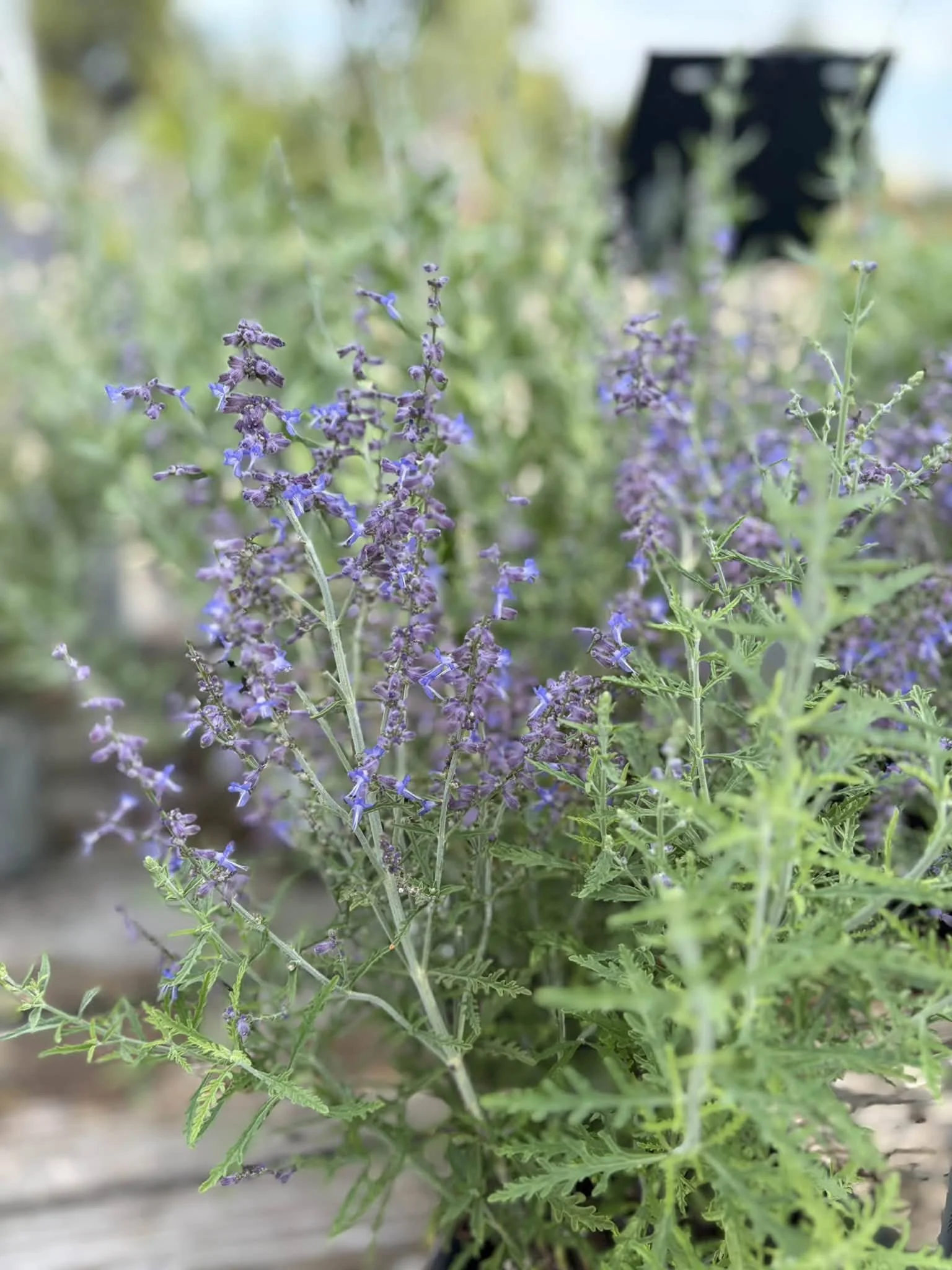
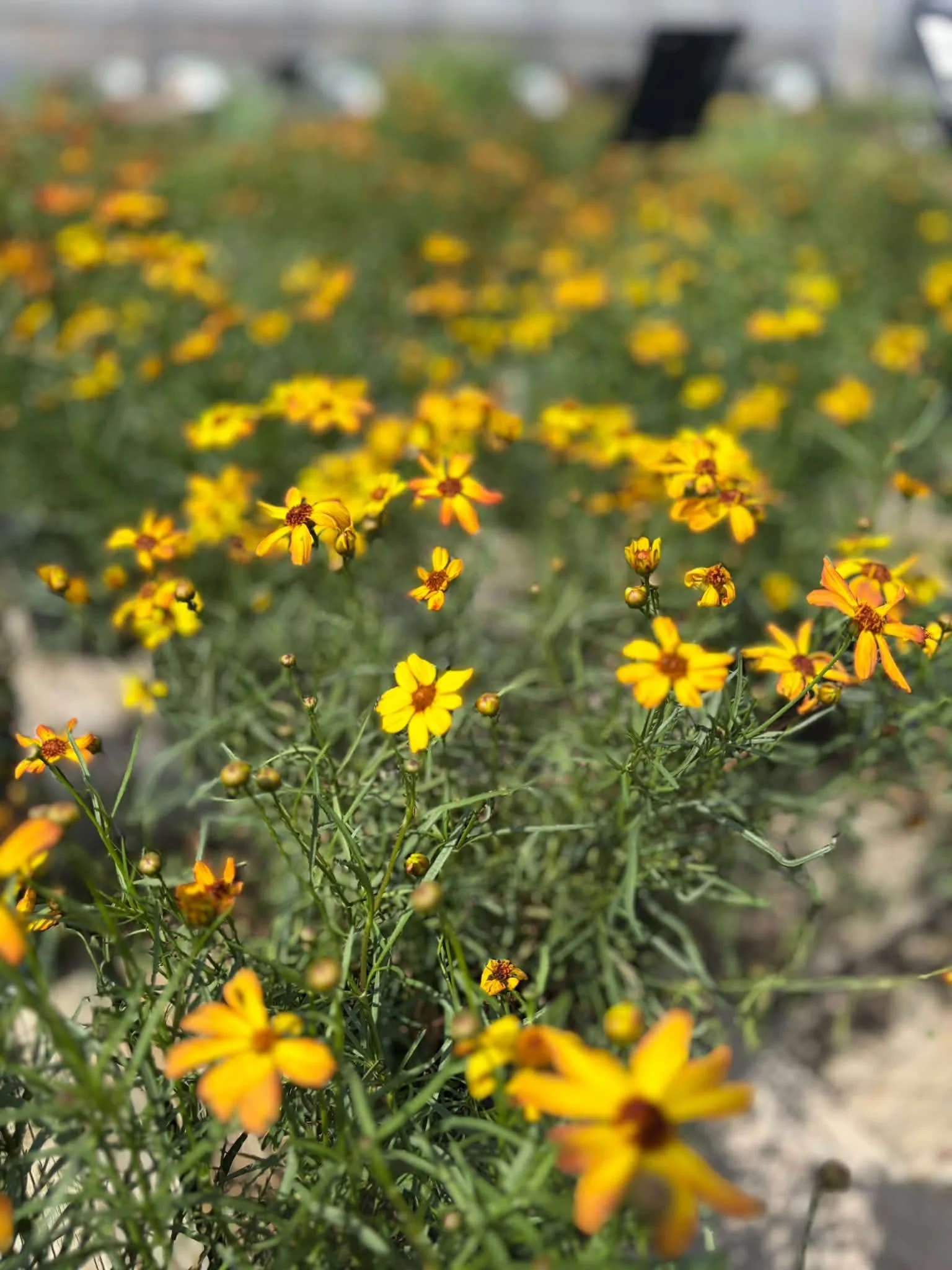

Dream it
〰️
plant it
〰️
Dream it 〰️ plant it 〰️
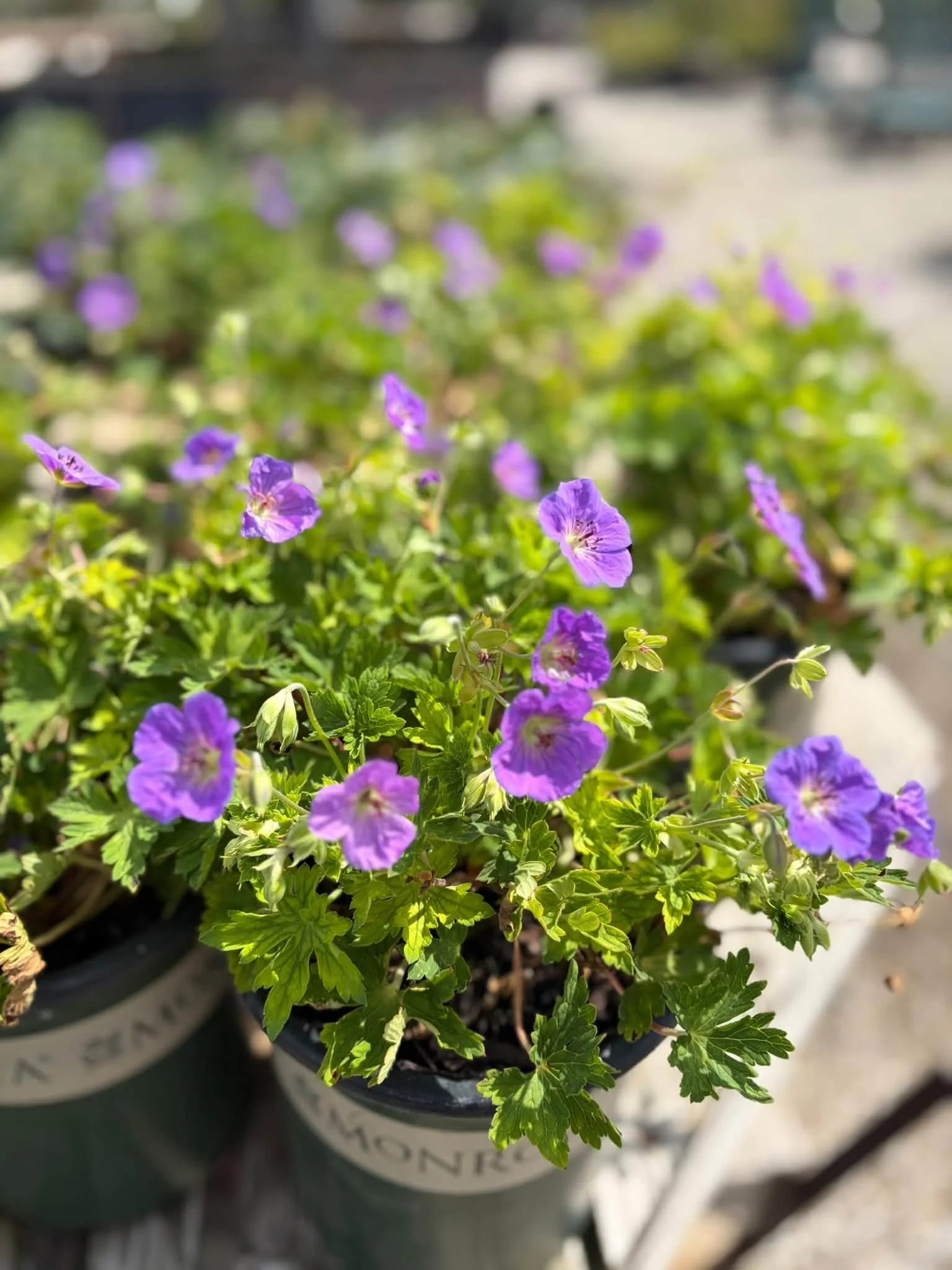
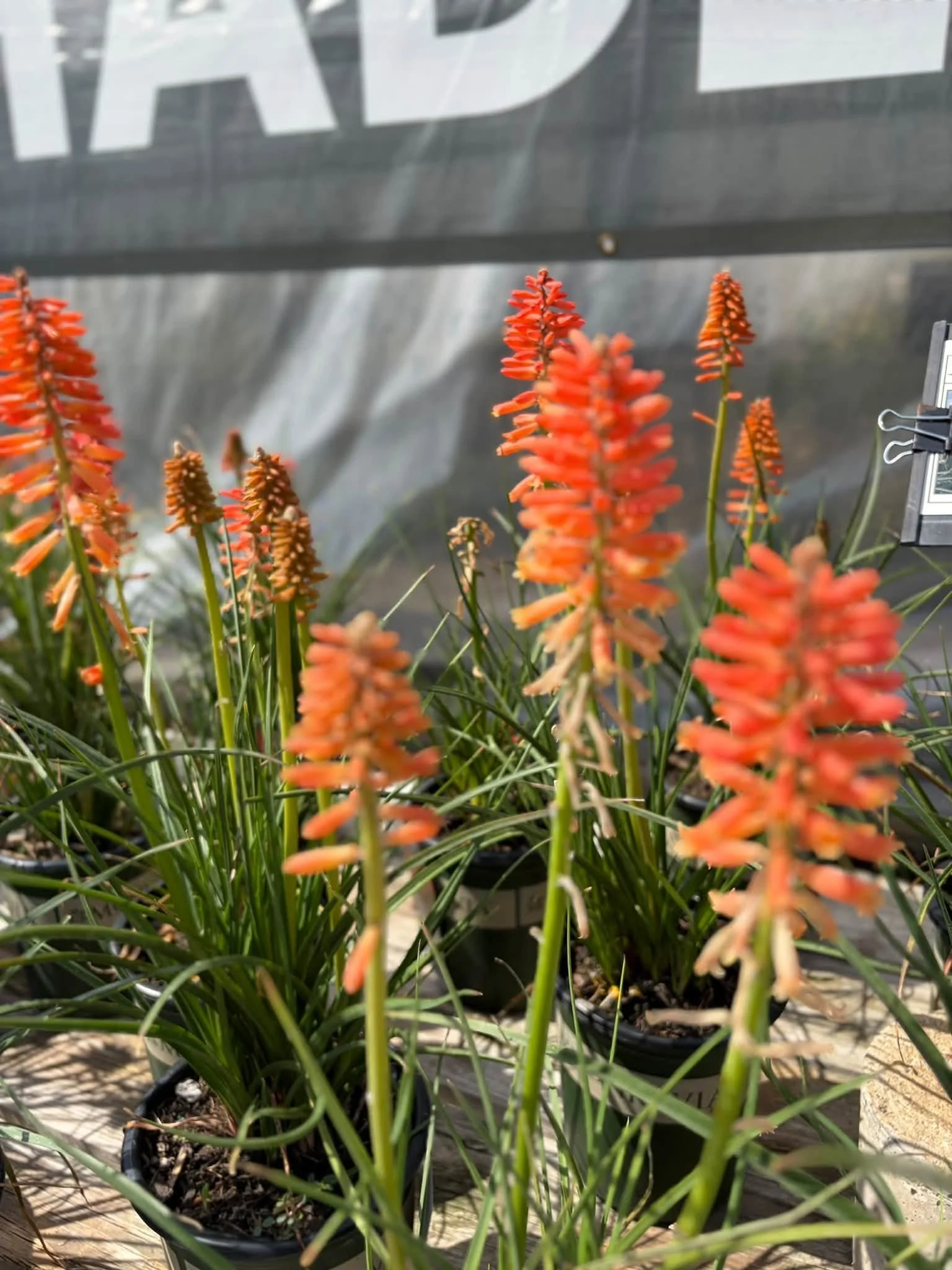
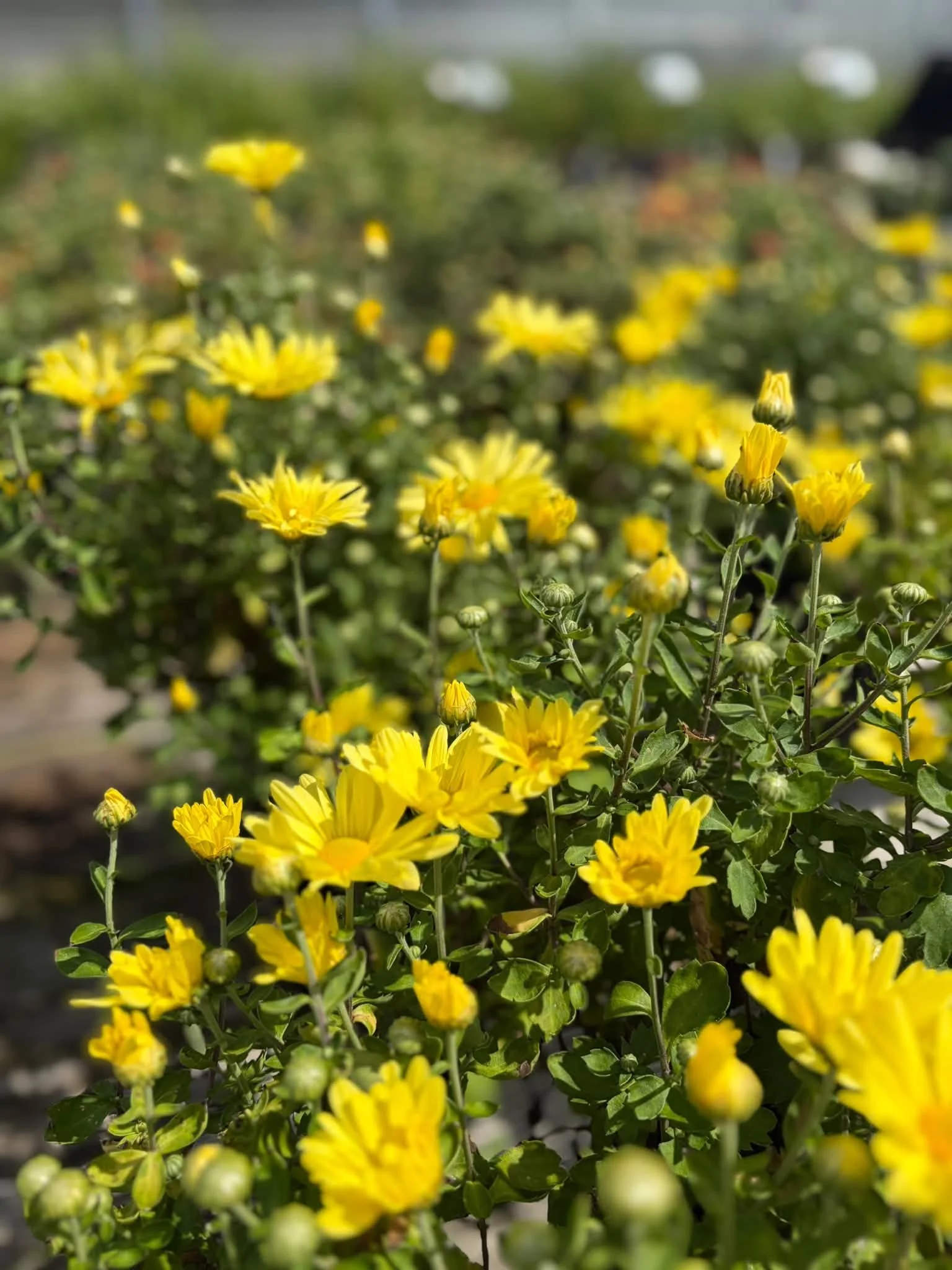
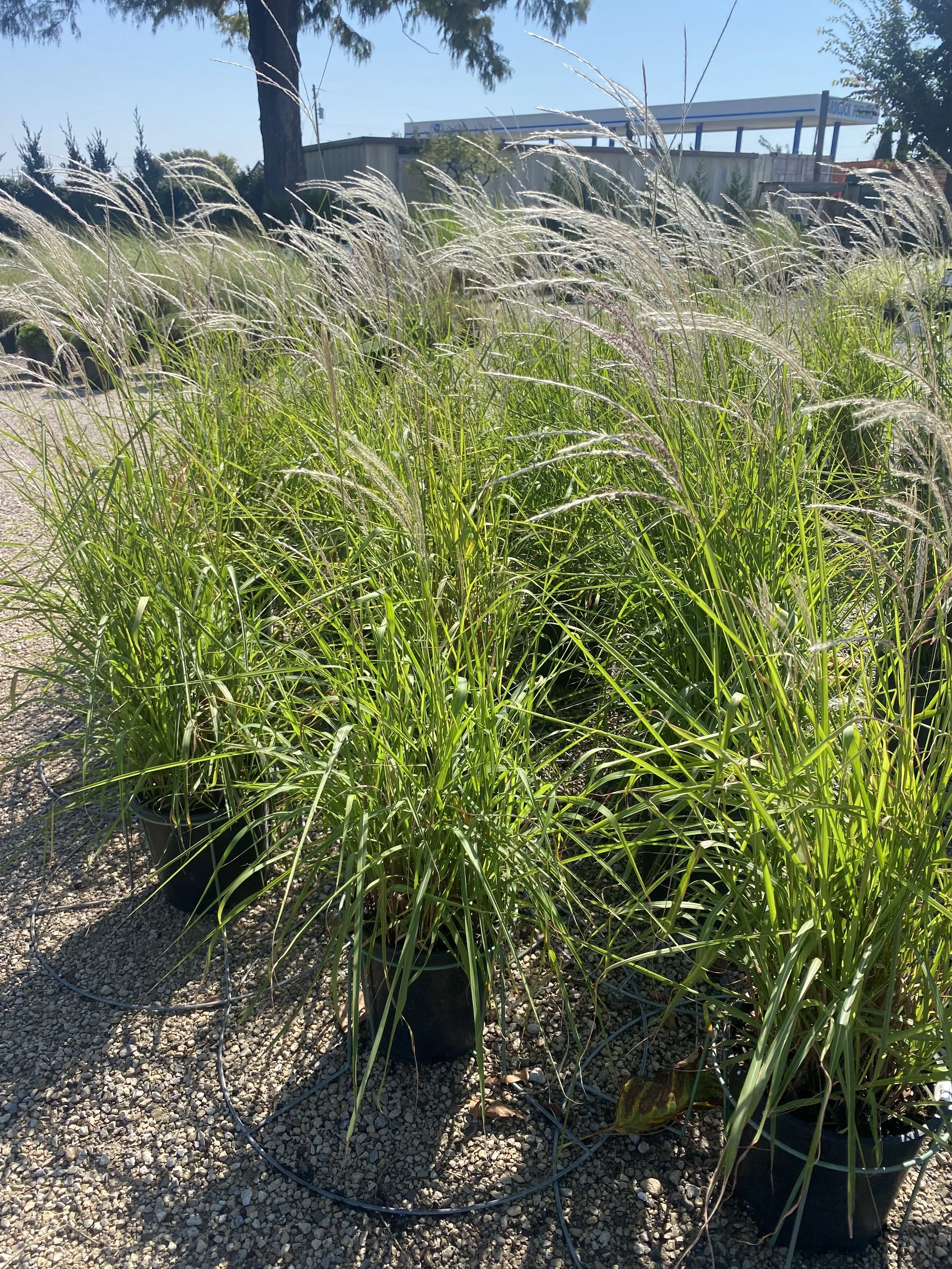
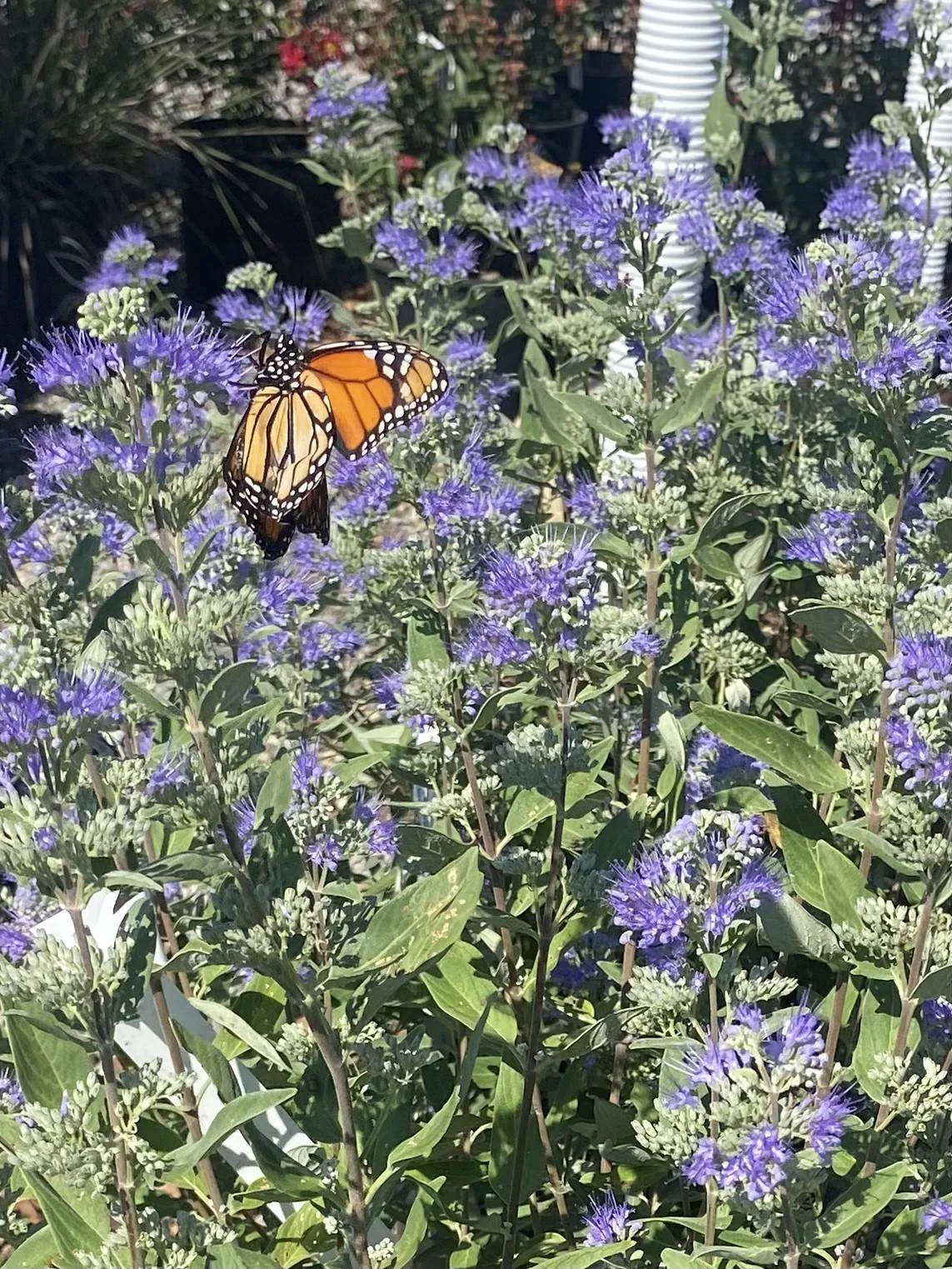
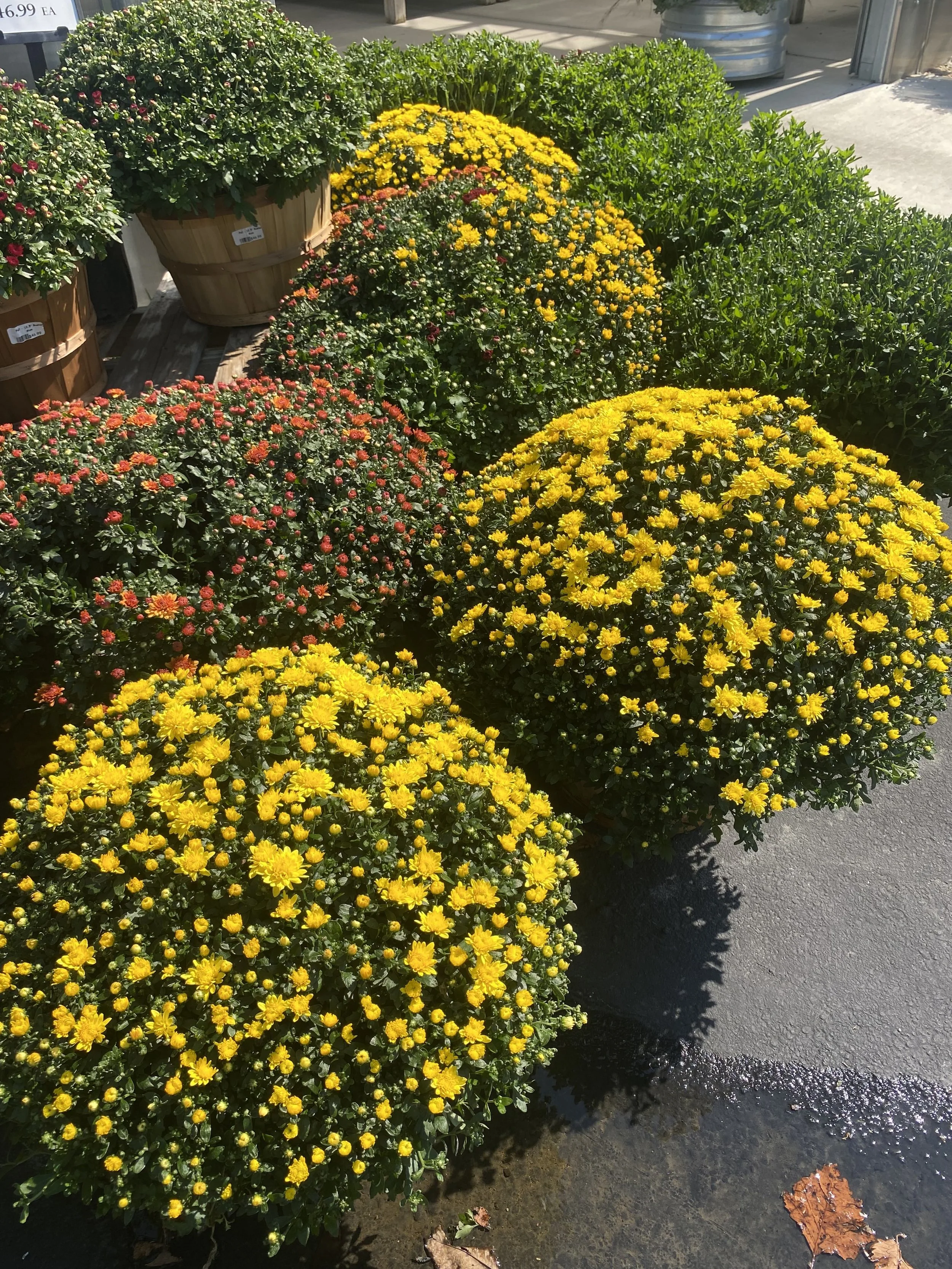
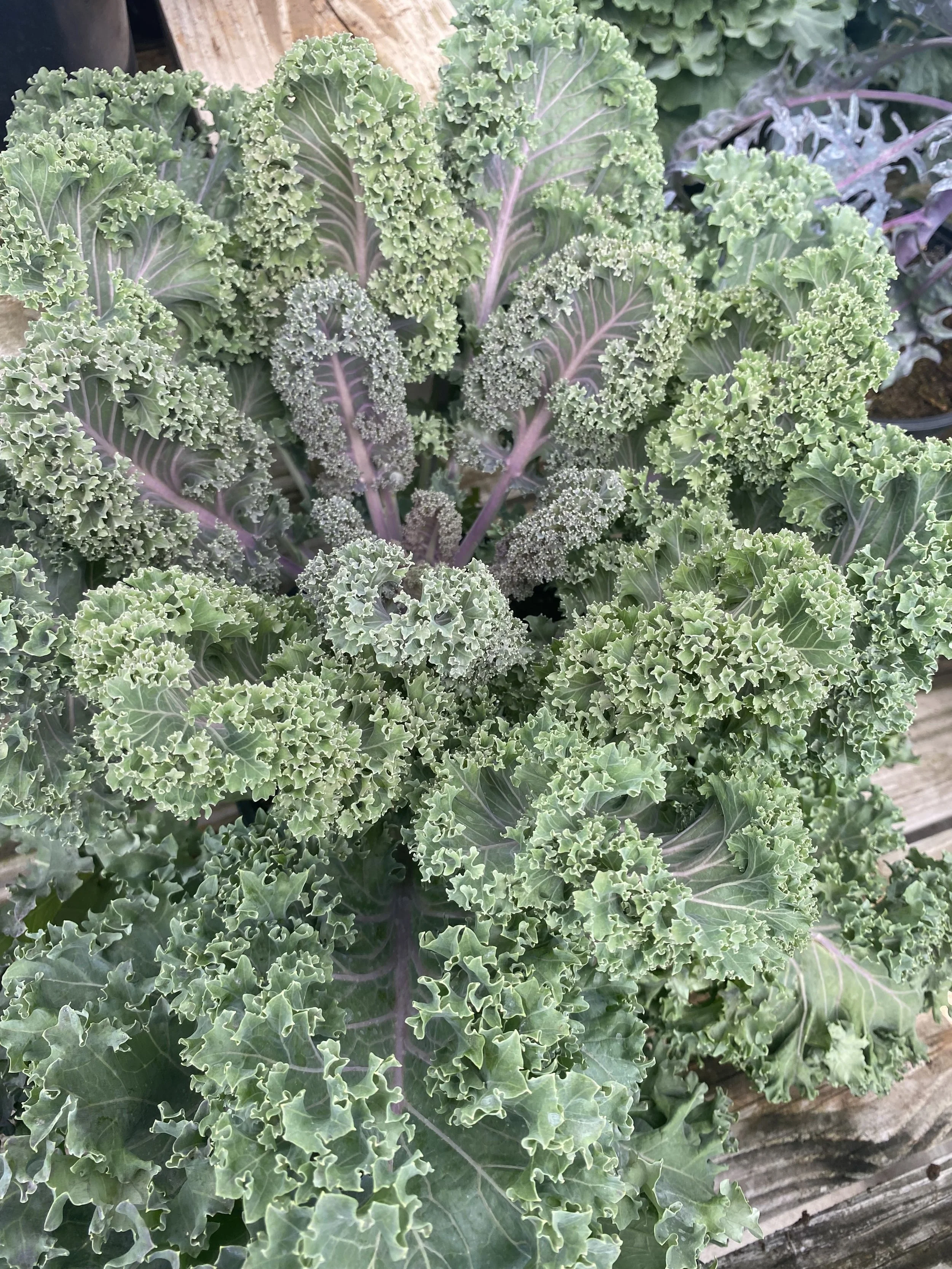
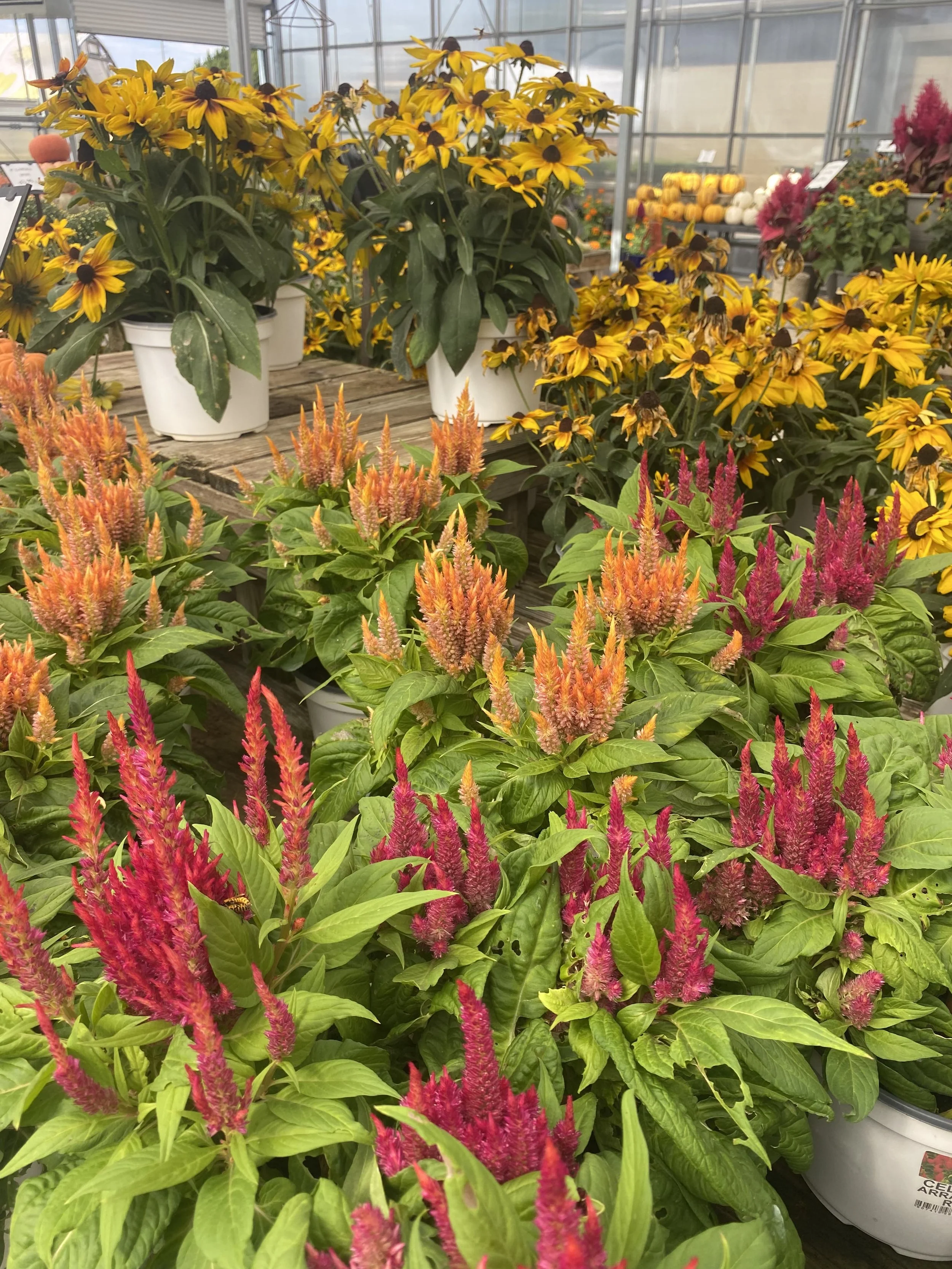
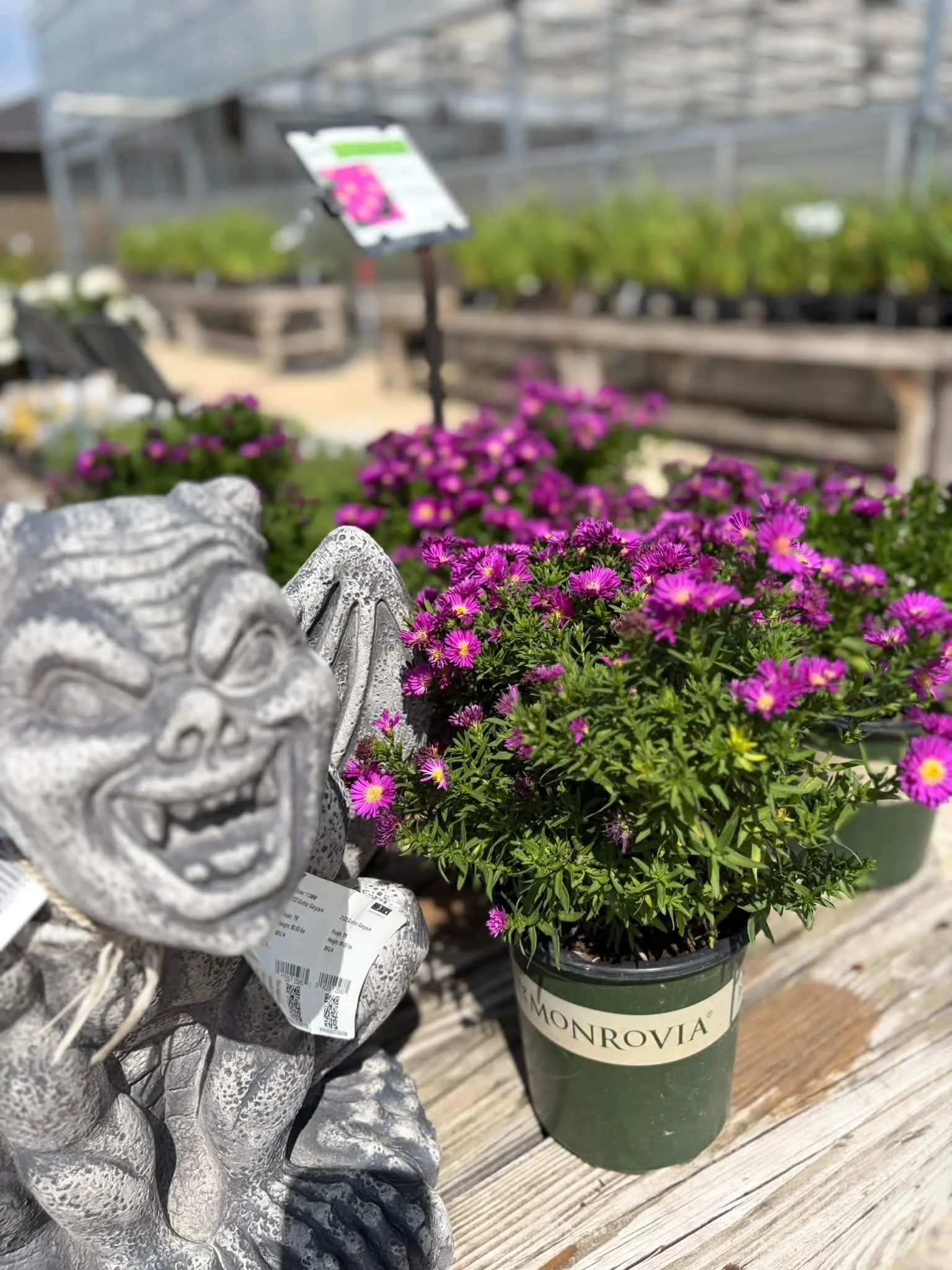
Fall isn’t just the best time to plant grass seed; it is also one of the best times to plant most landscape plants.
Trees, shrubs, and perennials all plant and establish more quickly in the fall, typically with a lot less care.
Warm soils and cooling air temperatures are the perfect combination for low-stress plant establishment. Warm soils drives more rapid root growth, and cooler temps reduce water loss. That means less watering is required from you. Add in some occasional rain and fall planting just got even easier.
And how long into the fall can we safely plant?
A good general rule of thumb...if the ground isn’t frozen, it’s still okay to plant. Most years, we can safely plant well into December.
Recent rains have replenished soil moisture. Summer heat has finally passed. Conditions are now prime for planting.
It’s time to get to work!
DON’T FORGET THE ORANGE BAG!
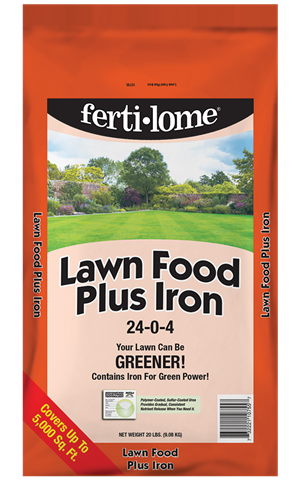
If you could pick only one time of the year to fertilize a tall fescue lawn, September would be it.
A good dose of fertilizer right now will help your lawn recover from the damage brought on from heat, drought, insects, disease and weed competition.
The right product is Fertilome Lawn Food Plus Iron. It comes in a bright orange bag in sizes formulated for either 5,000 or 10,000 square feet.
With the recent rains, lawns are waking back up. It’s time to give them a boost.
It’s time for the Orange Bag!
MORE NEWS, eVENTS & aNNOUNCEMENTS
Check back here for future updates.