
IT’S A JUNGLE OUT THERE
When I was in college, I had a part-time job taking care of the plants inside the local Holiday Inn Holidome.
Remember the old Holidomes? They had a large atrium in the center of the building that housed a swimming pool, mini-golf course, a tiki bar, and lots and lots of tropical foliage. It was a mini jungle oasis in the heart of the building.
Well, all those plants needed to be cared for, and that’s where I came in.
Every week, I’d make the rounds, carefully checking each plant, giving water where it was needed, grooming the foliage, and making sure everything looked nice. Nothing too difficult, just routine care. It was like taking care of my houseplants at home, just on a much bigger scale.
It was a good experience.
I operated solo, so I had to discipline myself to stick to a schedule. I learned from that. I had access to just about all parts of the building, so that was kind of cool, and I was allowed to help myself to a fountain drink from the restaurant kitchen whenever I wanted, which, at that stage of my life, was a pretty big deal!

The plants I cared for were diverse. Some were smaller, growing in pots just like things at home, but most were planted directly in the ground, a mixed planting of large tropical trees and all kinds of smaller, understory plantings. Like I said, it was like a mini jungle.
Caring for them taught me a lot about how plants reacted to different soil conditions, different moisture levels, and different light conditions. (Remember, I was a horticulture student, so this was right up my alley!) Some things thrived, others just survived, and some...well, some got replaced...frequently.
That’s why I still have some strong houseplant opinions.
Cast Iron Plants and Snake Plants are rock stars! I watched them grow anywhere and everywhere, tolerating the darkest corners and the driest spots. They’re tough, and that’s why they still form the core of my houseplant collection at home today. Palm trees, on the other hand, are not my friends. Don’t get me wrong, I love the way they look, but they are high maintenance and problematic. I spent more time grooming those than any other plant in the facility.

Cameron Rees, General Manager
And the bugs! They were constantly under attack, attracting every plant pest you could think of. If I want to enjoy palm trees, I’ll go to Florida!
It was a good experience, and I learned a lot from it... But I was glad when I didn’t have to do it anymore!
Winter is plugging along... a few cold days here and there, but for the most part, we’ve been getting off pretty easy. I’ll take it! Because that’s all about to change!
We’re still plugging along out here, too. Let us know if there is something we can help with.
—Cameron Rees
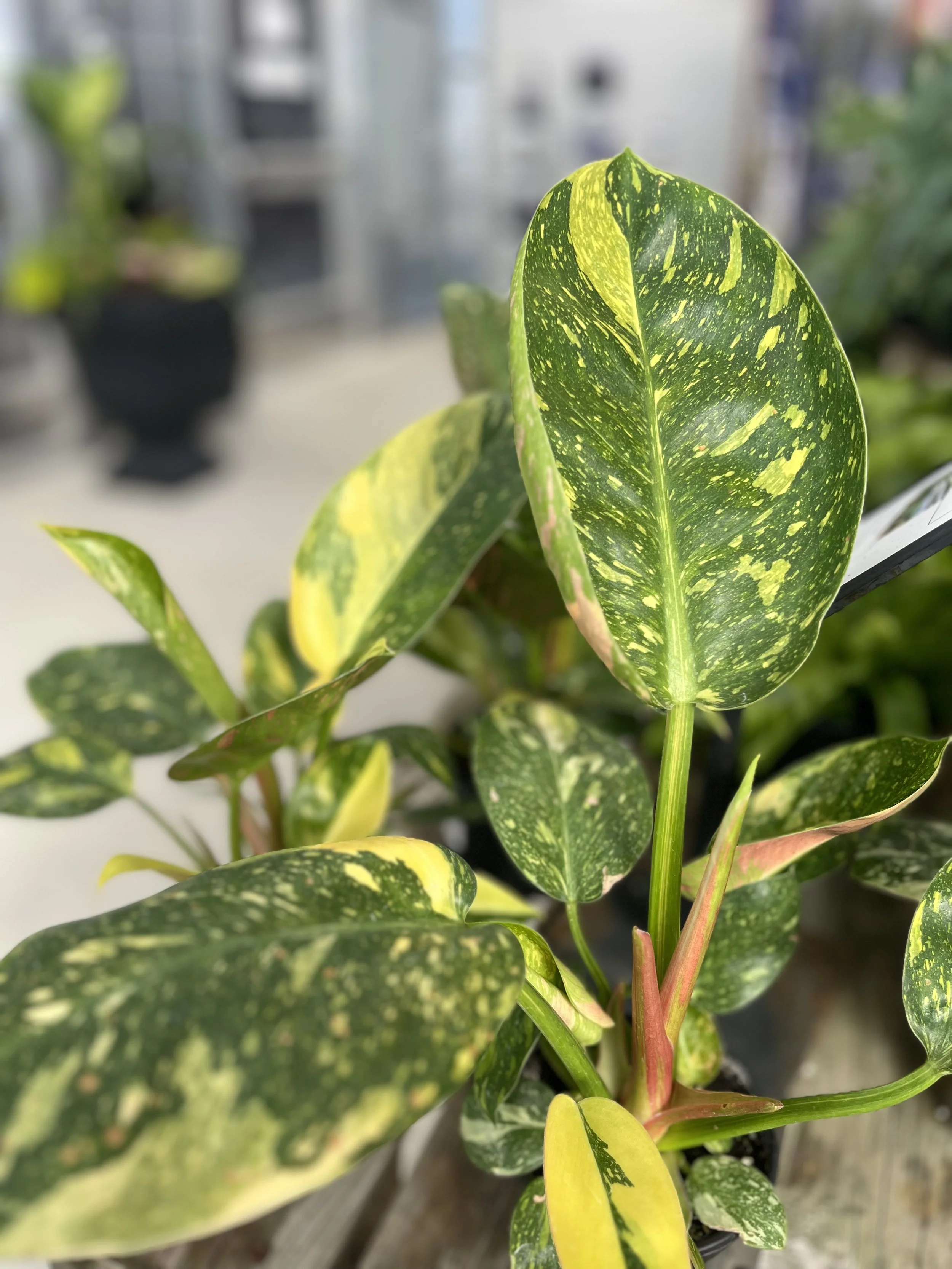
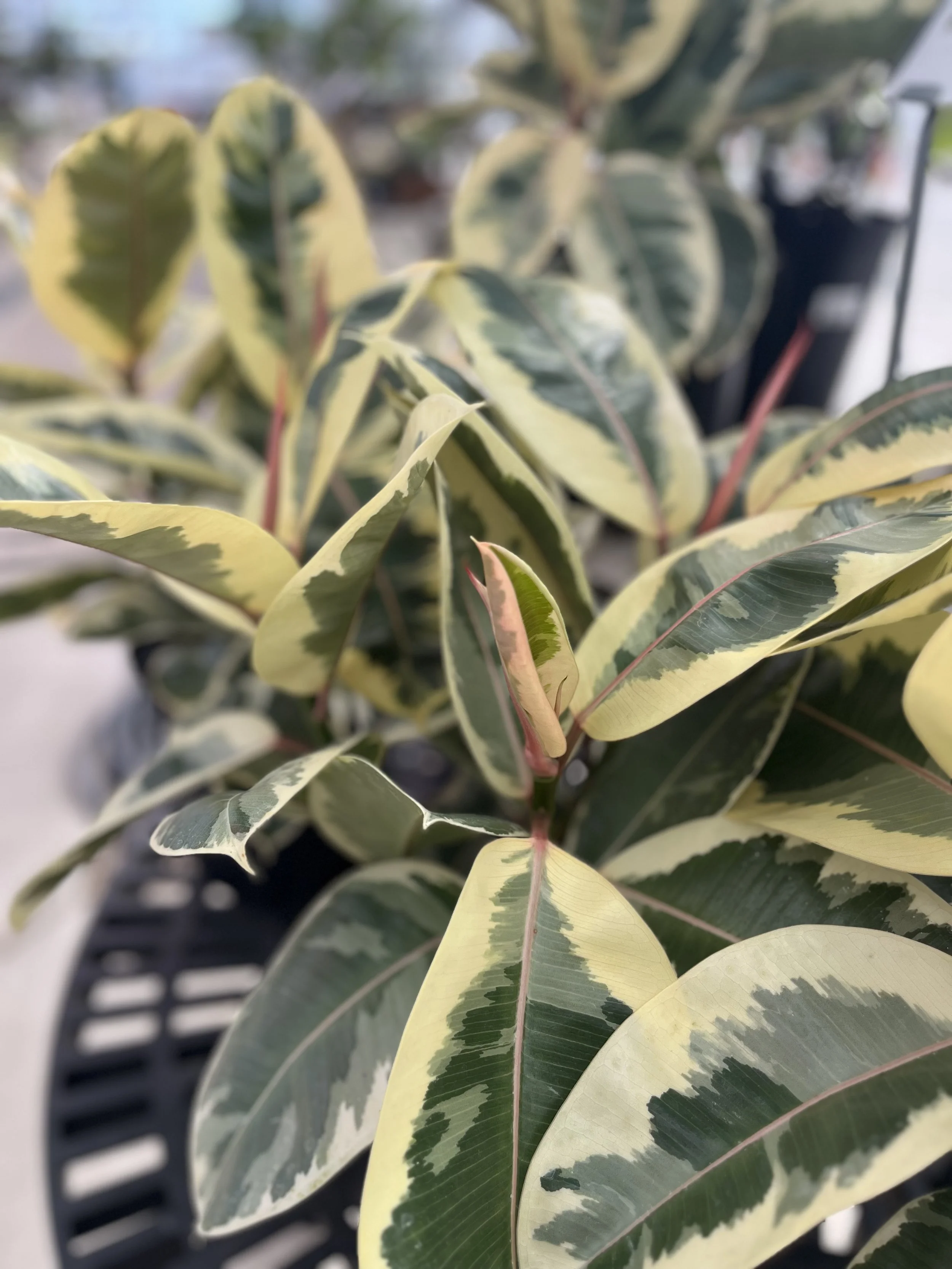
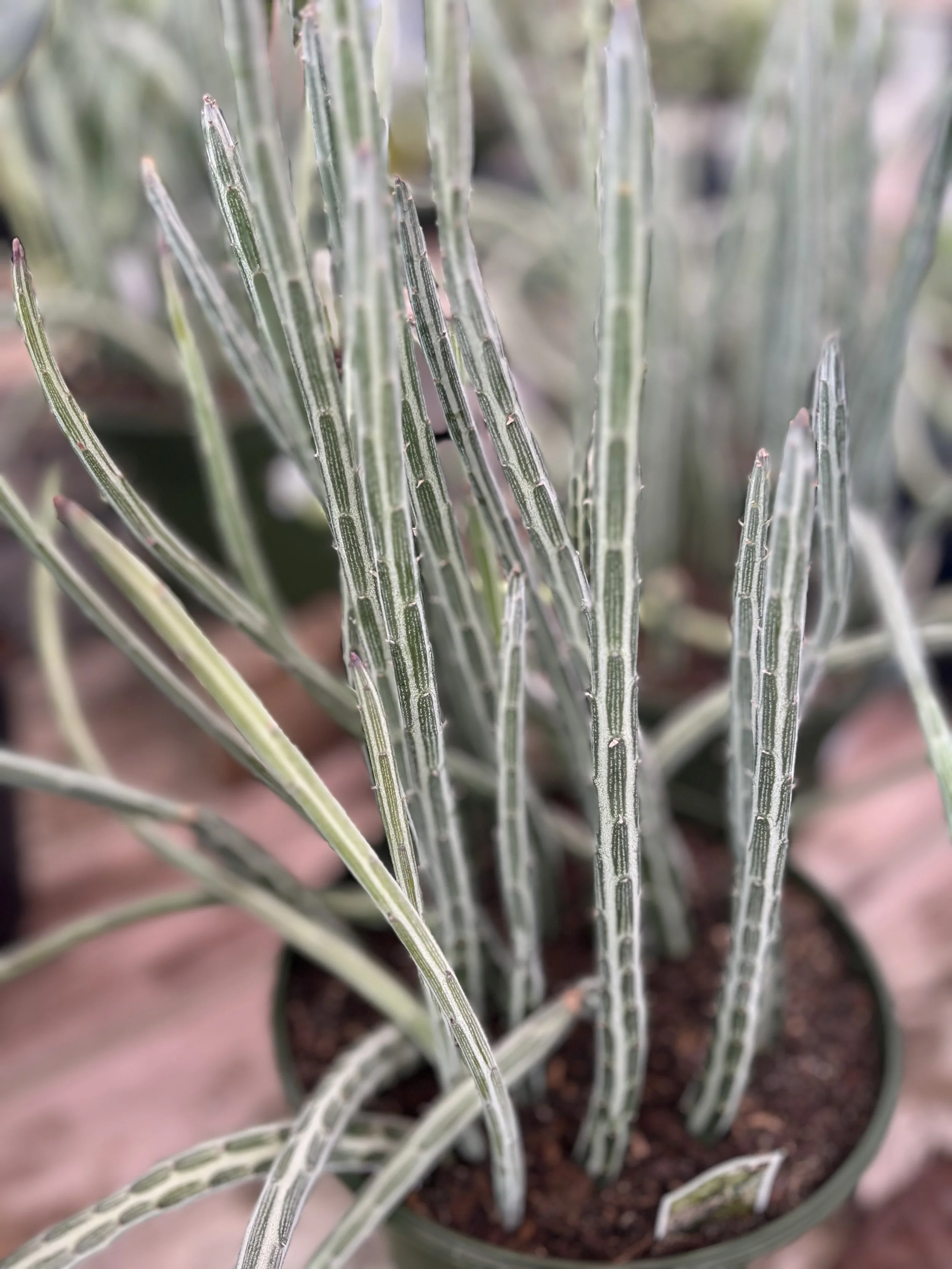
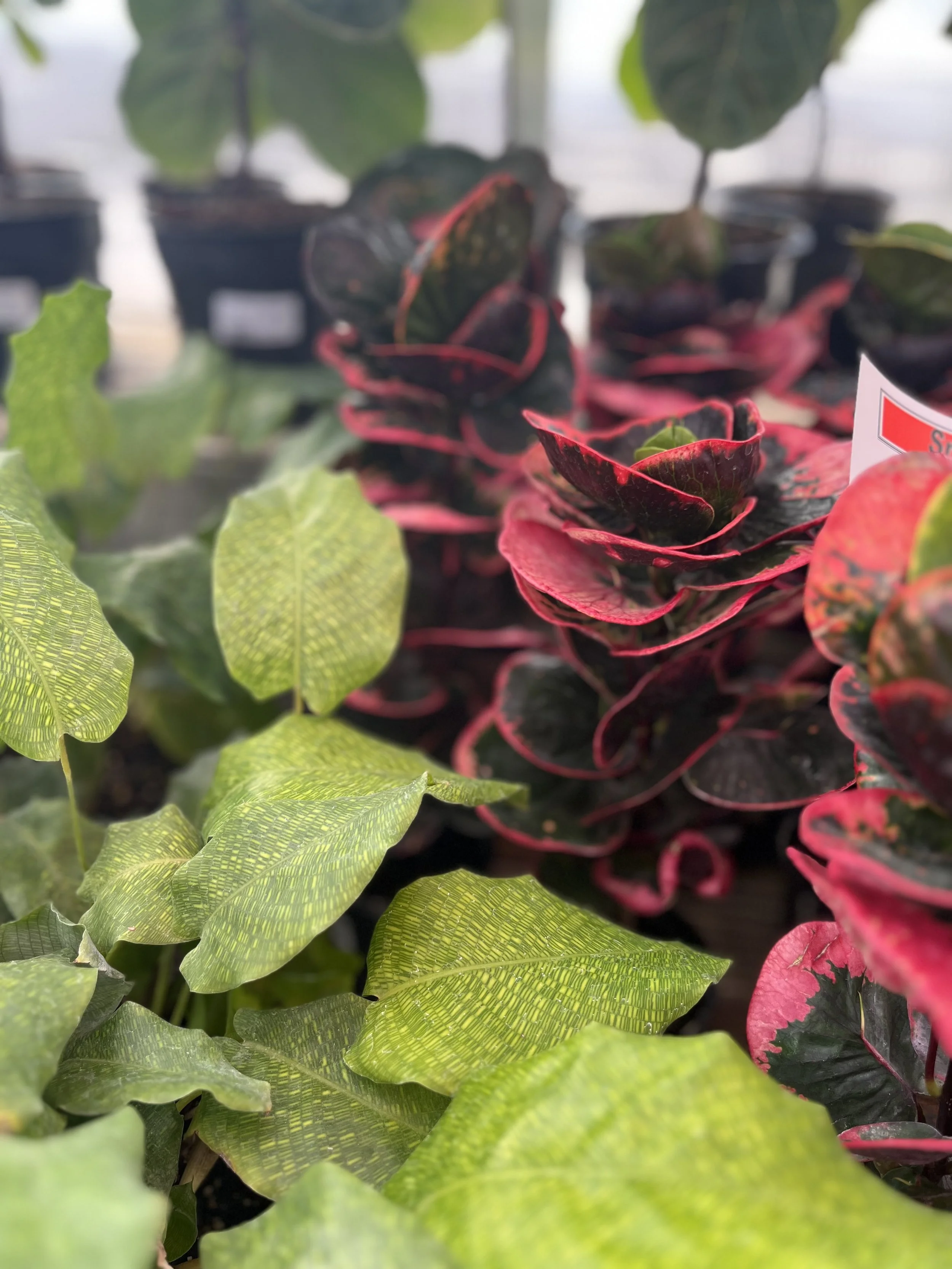
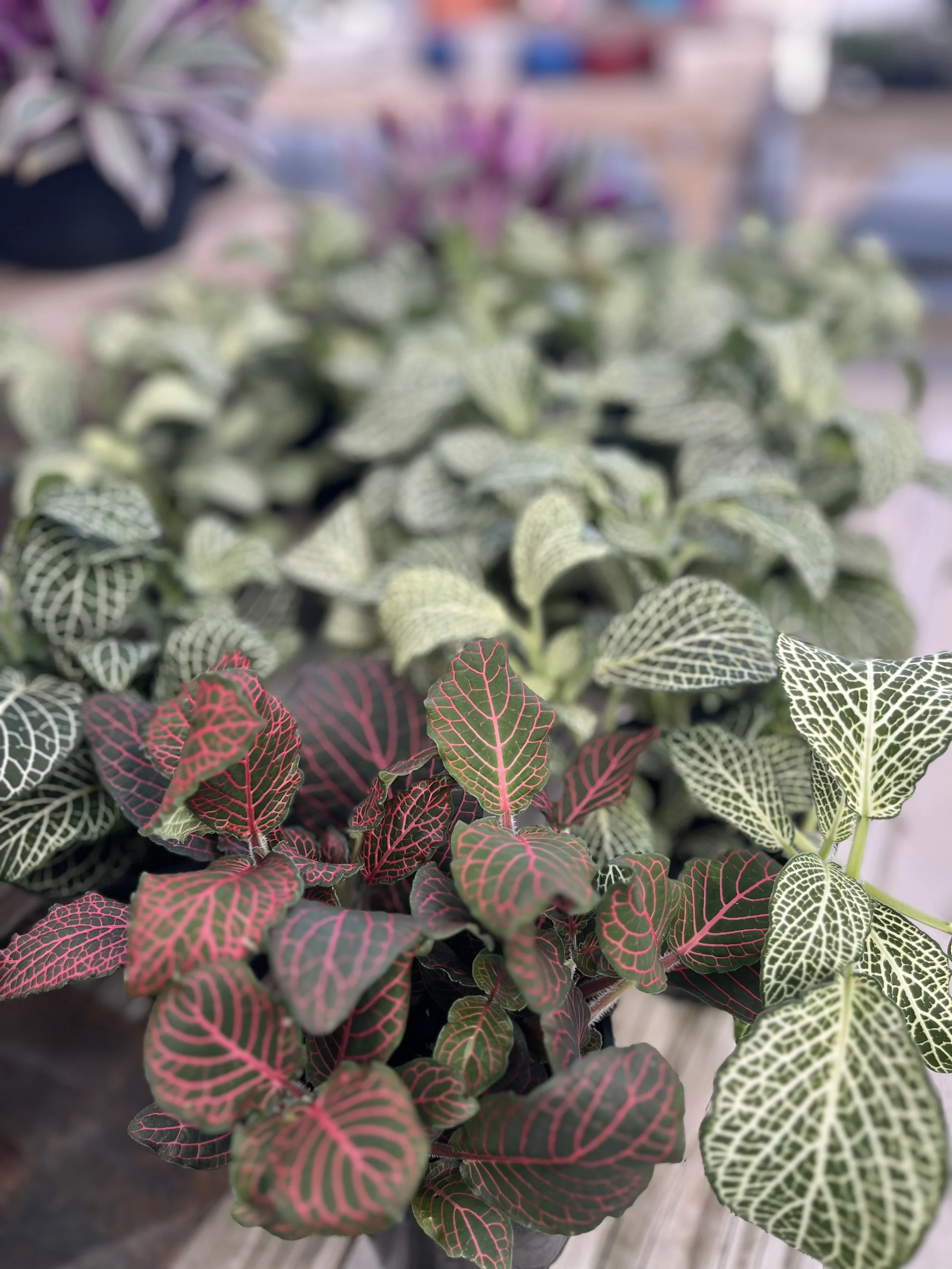
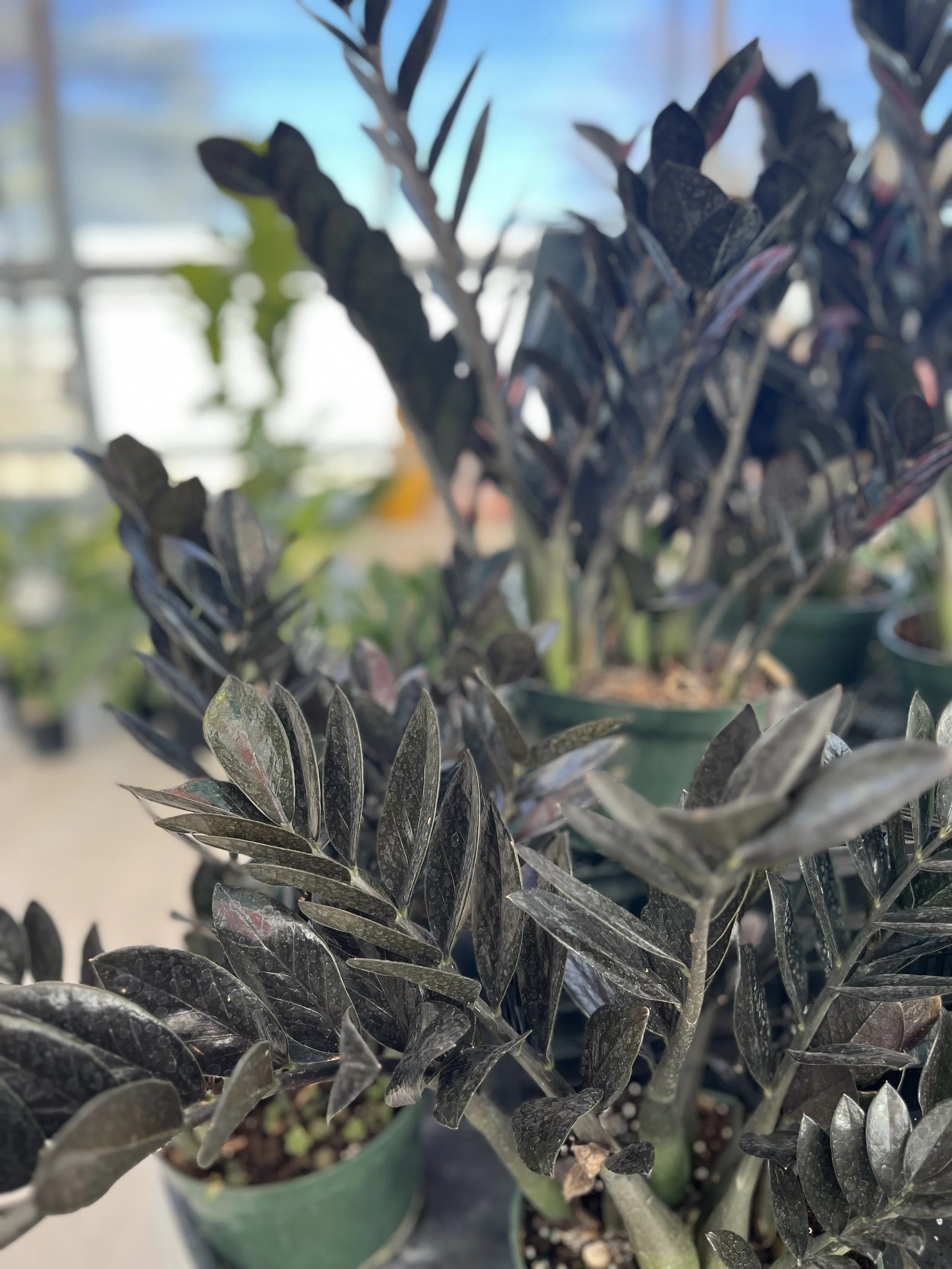
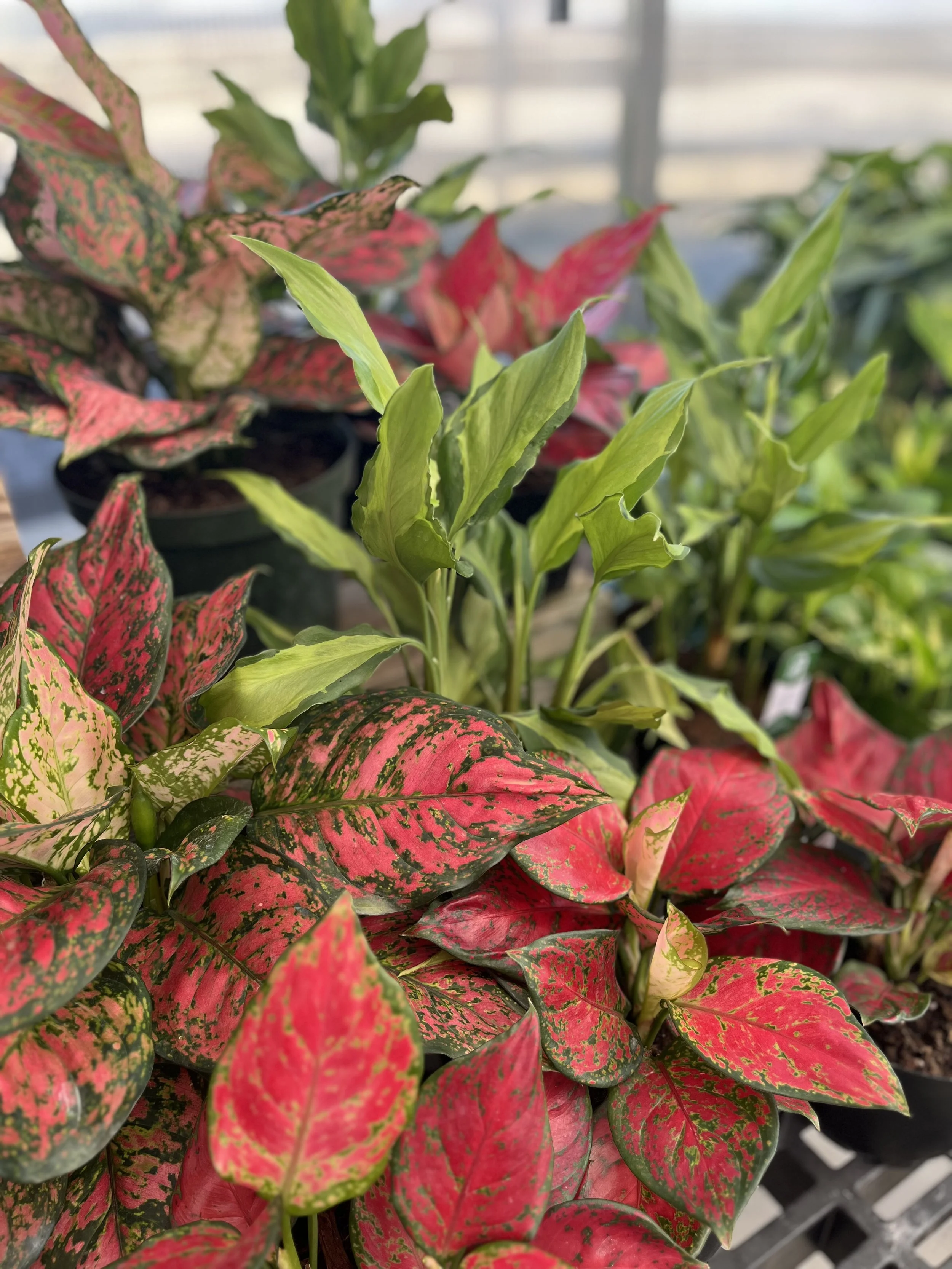
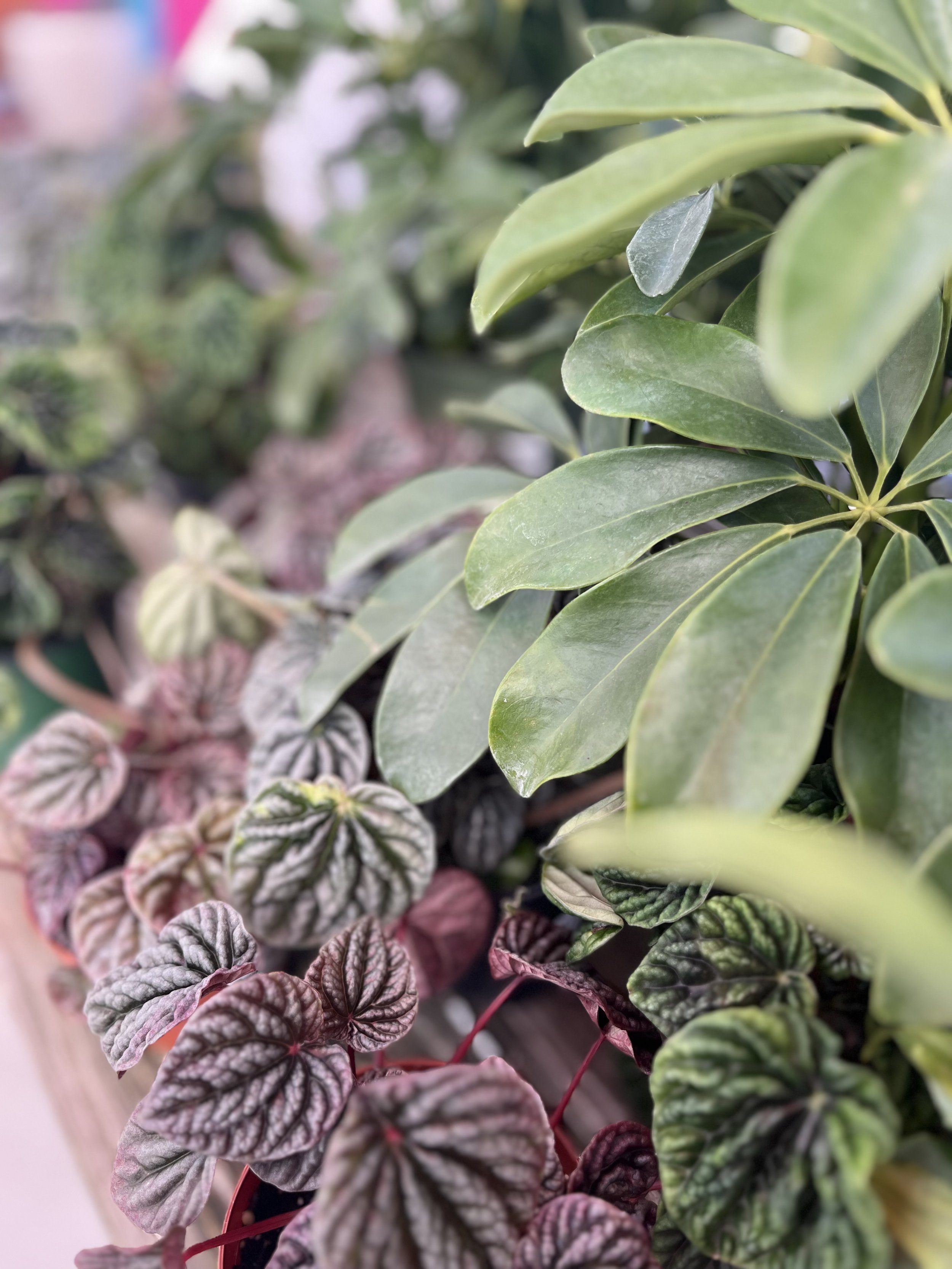
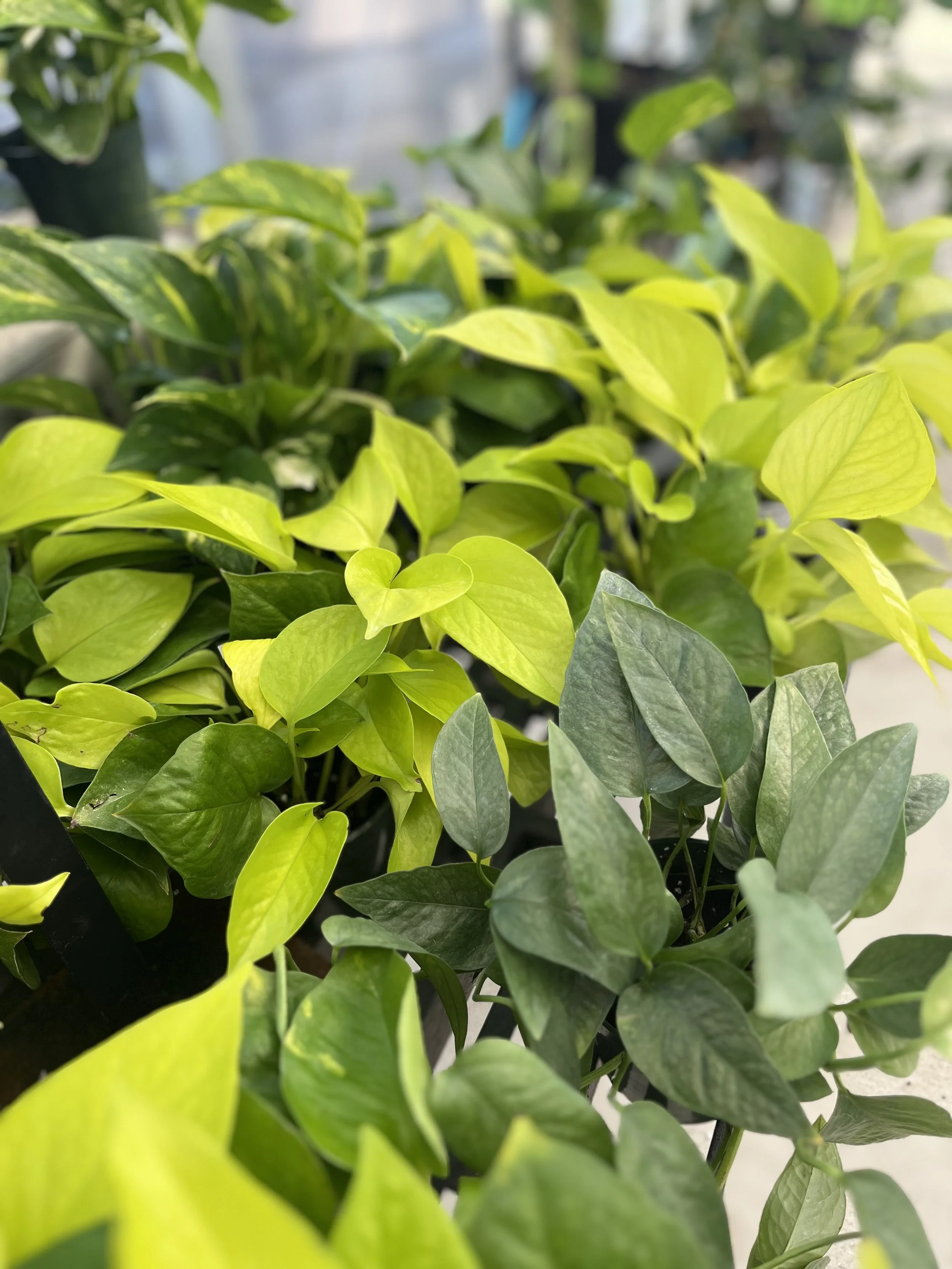
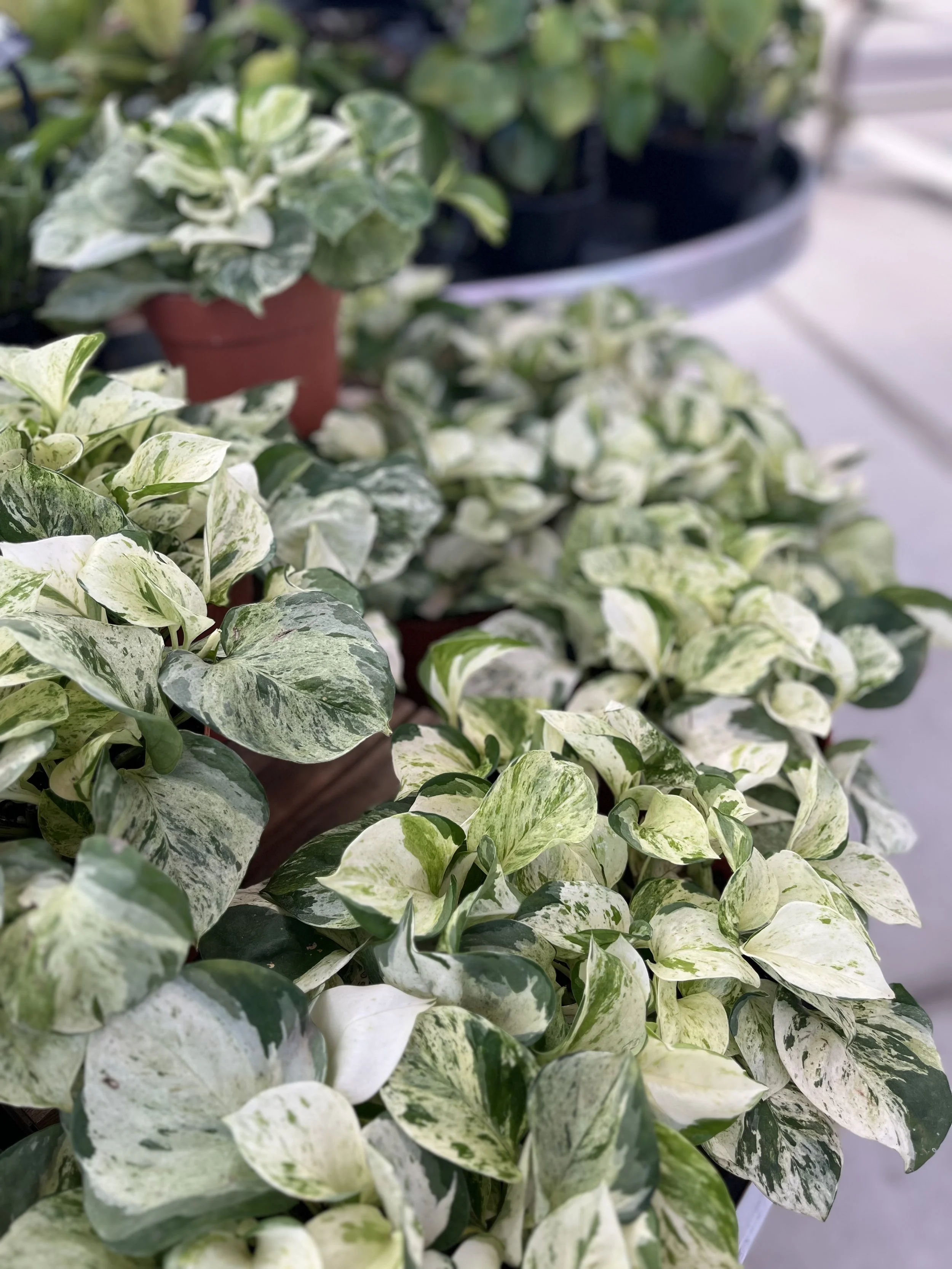
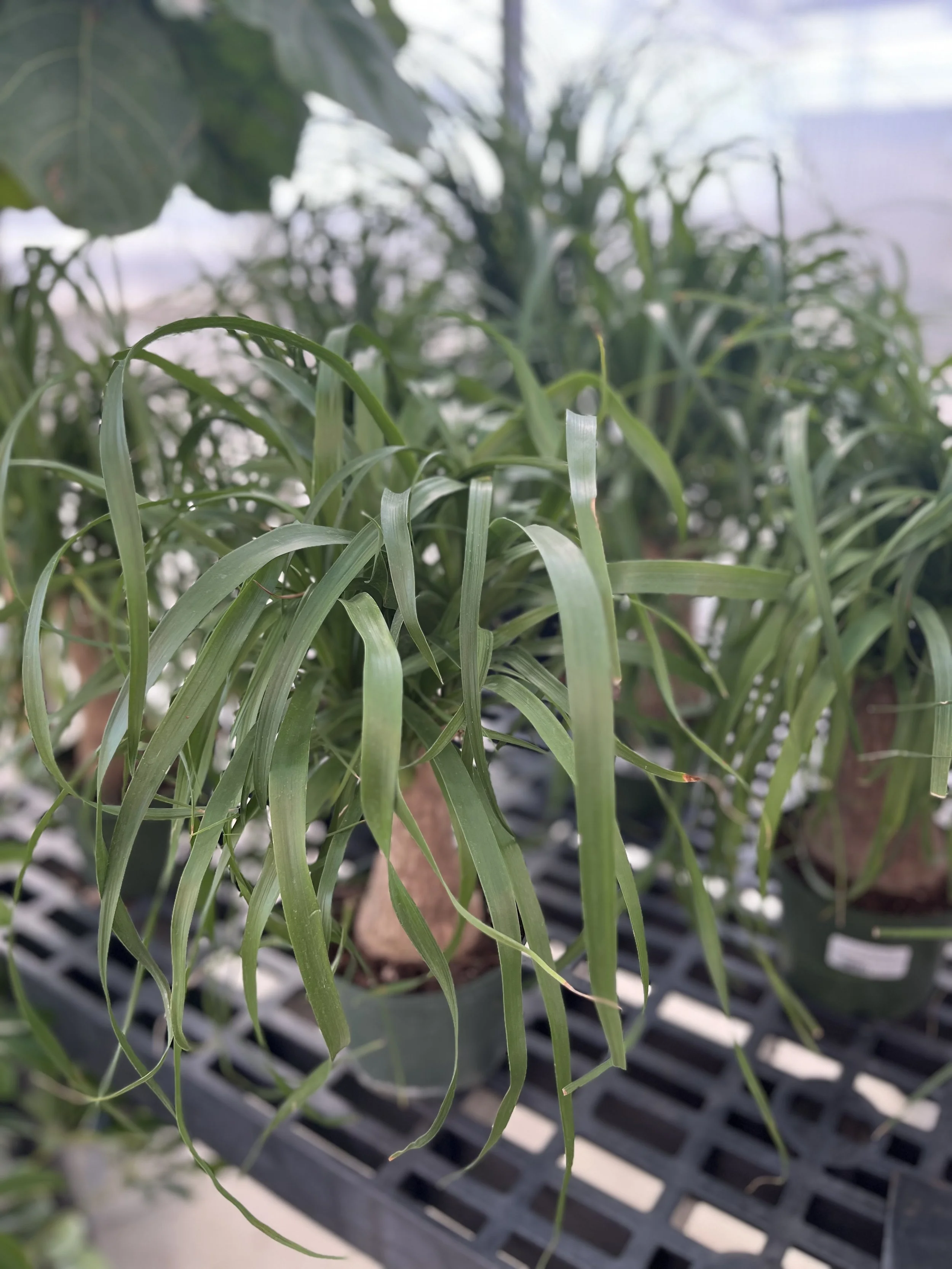
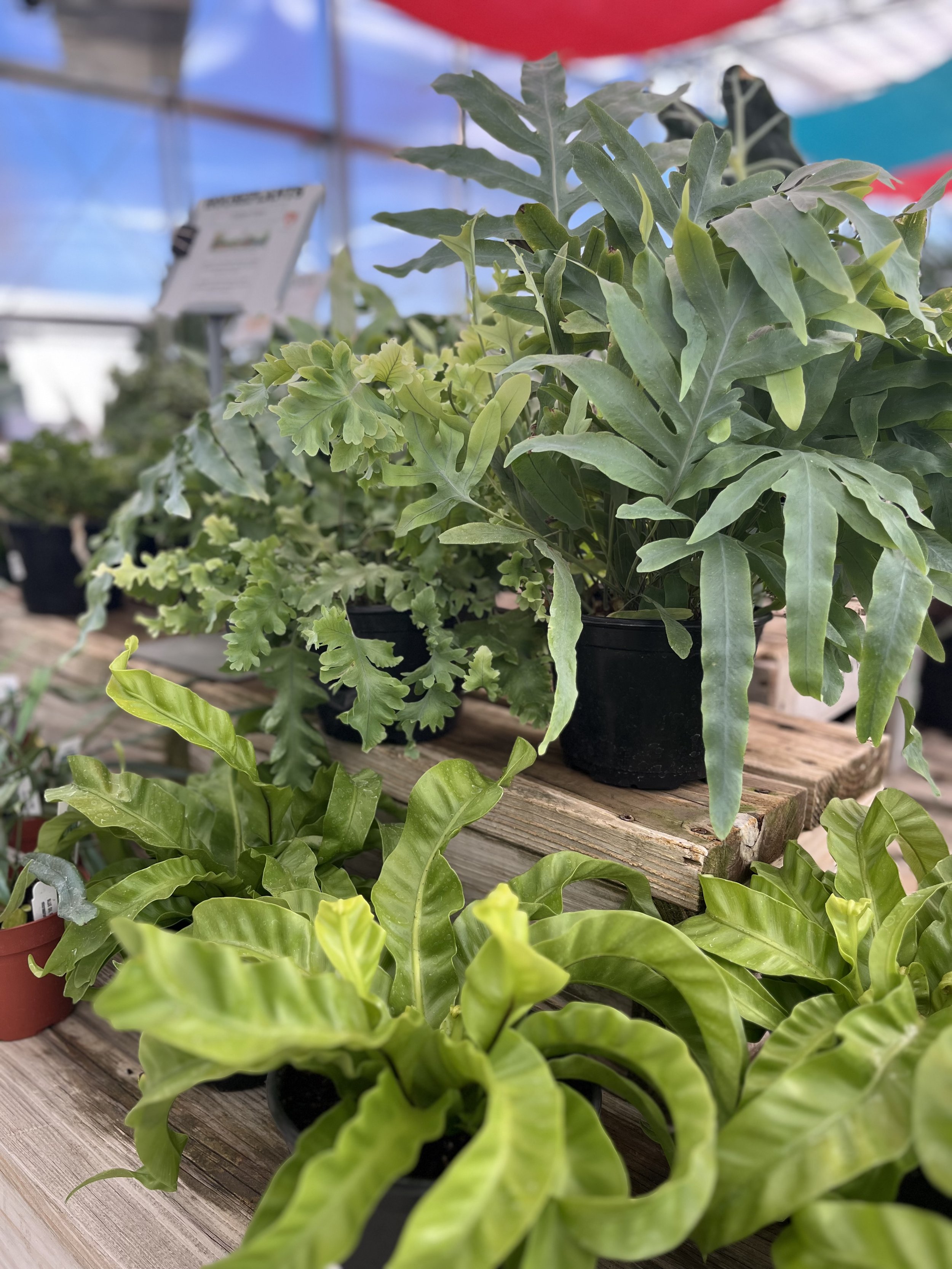
WHAT’S NEW?… HOUSEPLANTS!
From Left to Right
Row 1: Philodendron Green Congo—Ficus Tineke—Pickle Plant Cactus—Calathea musaica & Croton Rose
Row 2: Fittonia—ZZ Raven—Aglaonema Rich Red, Red Heart & Spathonema—Peperomia Ripple & Schefflera Arboricola
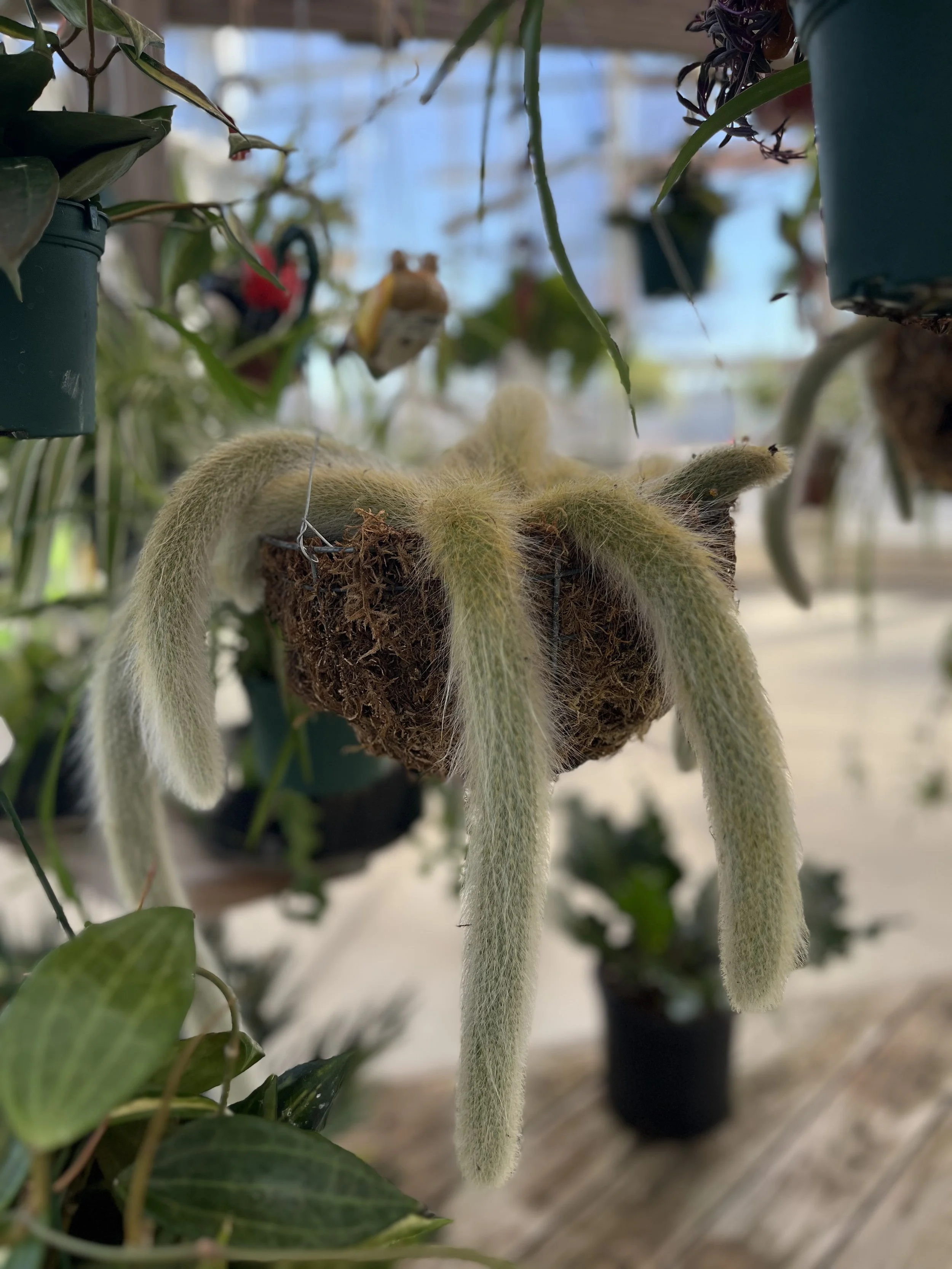
Row 3: Pothos—Pothos Manjula—Ponytail Palm—Monkey Tail Cactus
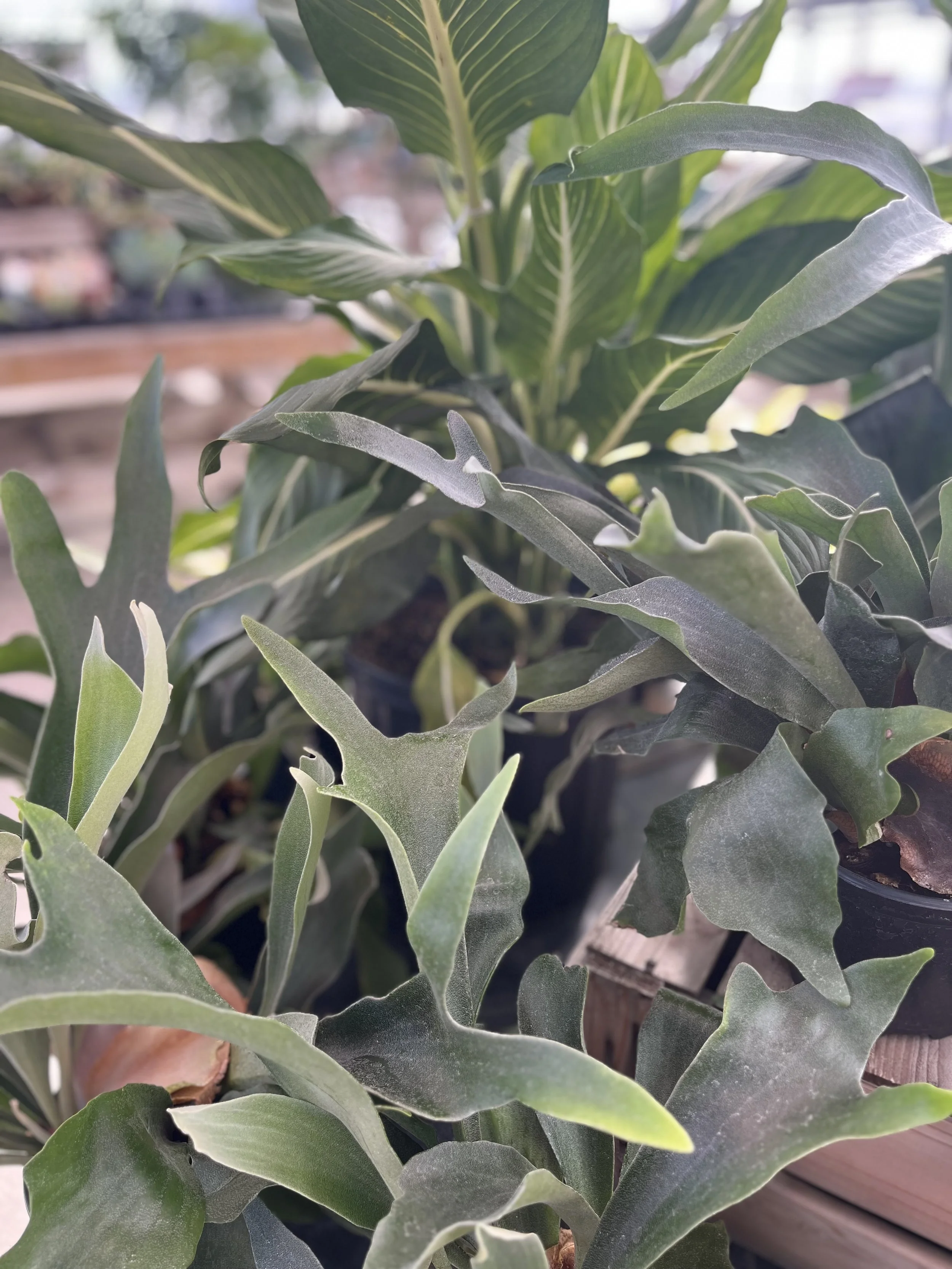
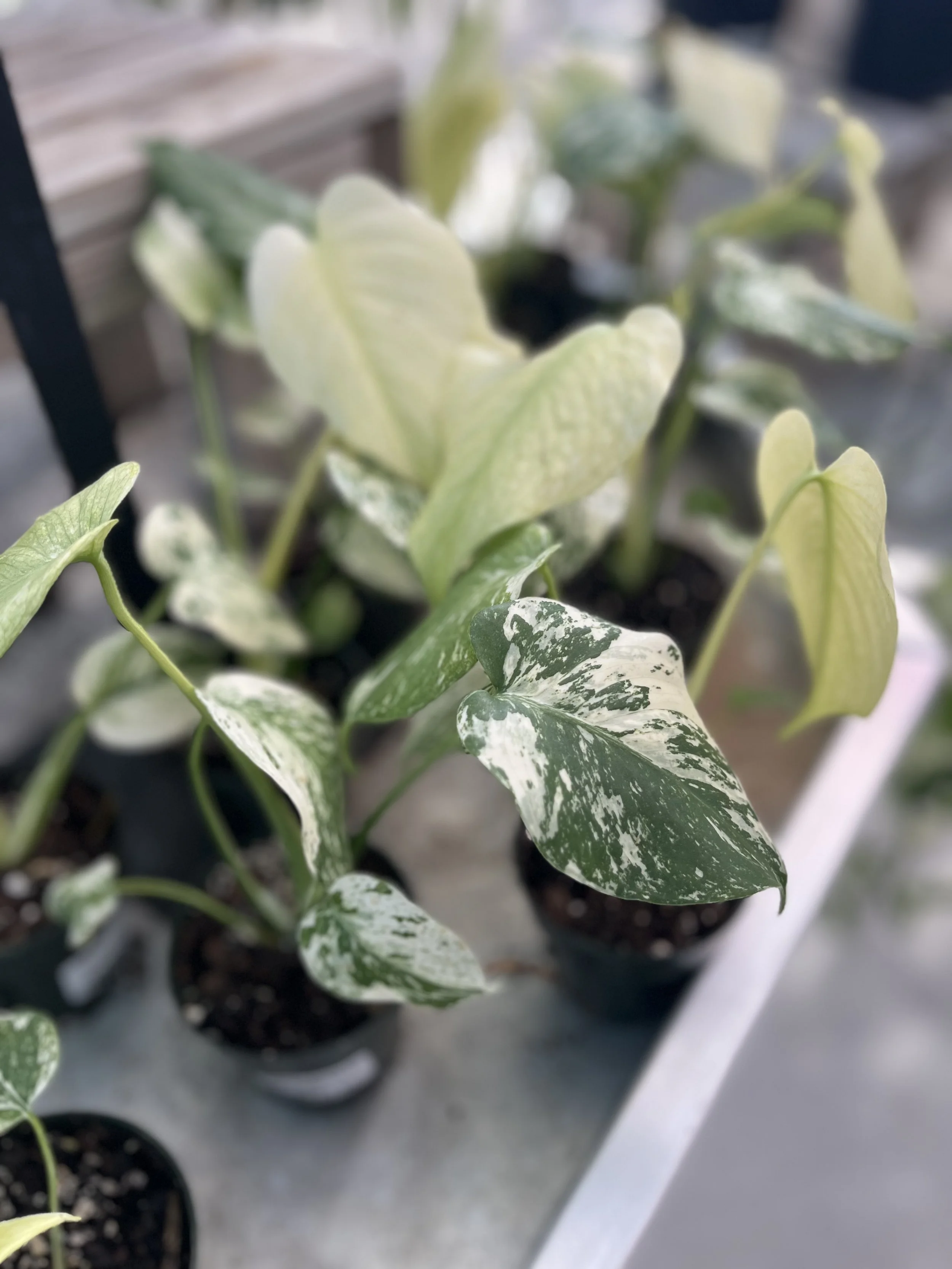
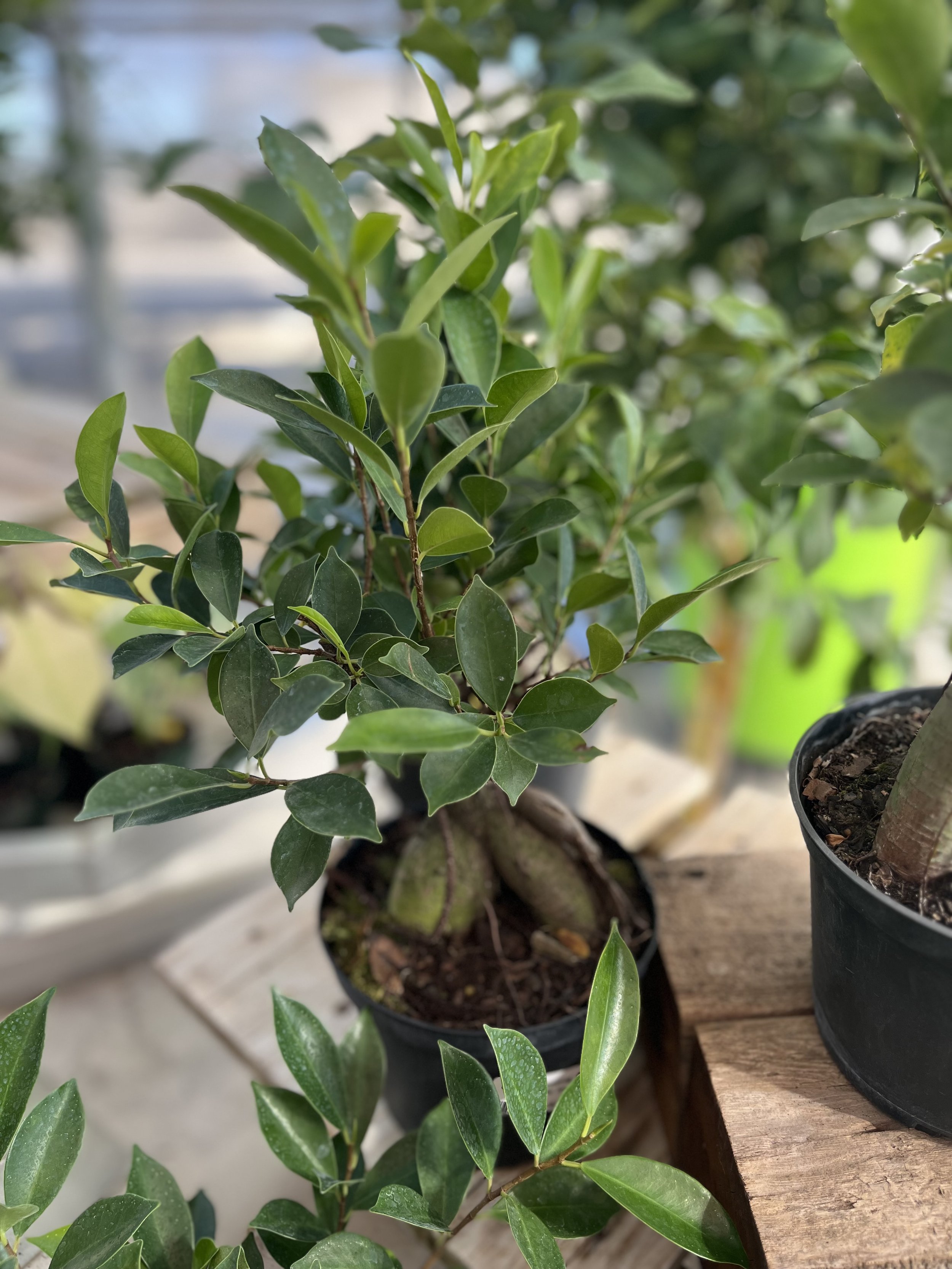
Row 4: Staghorn Fern—Monstera Deliciosa Mint—Ficus Ginseng—Indoor Fern
“Thymely” Advice: think About Starting Seeds!
If you’re like me, this winter weather we are having is getting you daydreaming about warmer days and giving you the spring planting itch.
I’m ready to get started!
I know, it’s not time yet... but it won’t be long! One thing we can all do while we are waiting out the rest of the winter calendar is a little garden planning. With a bit of planning, your spring garden will be amazing!
Another thing you can do is start some seeds.
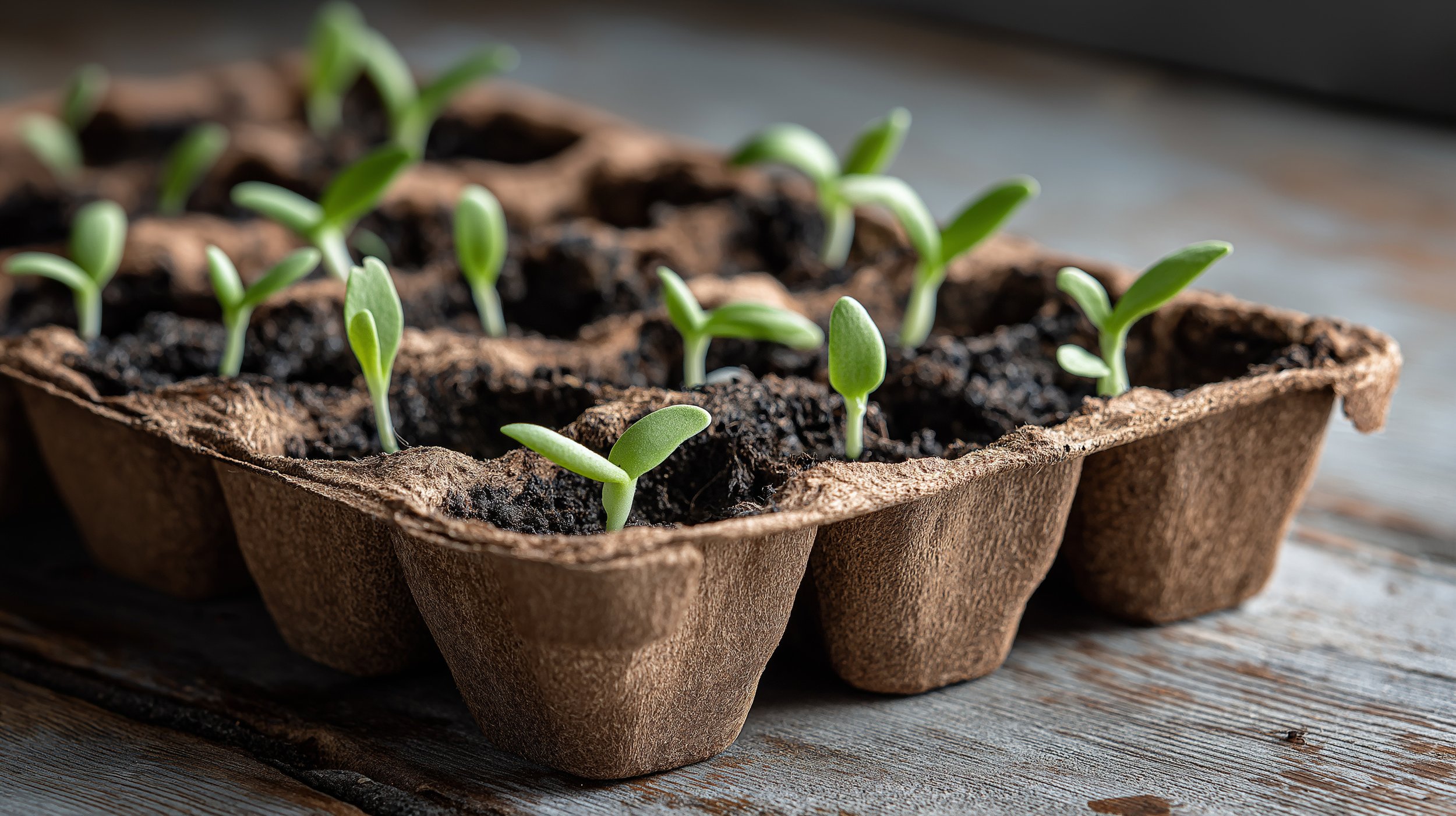
Early spring crops, like broccoli, cauliflower, and cabbage, benefit from a jump start on the season. Start them inside in February to give you stronger transplants to put outdoors when the time is right. Later, you can continue your seed starting with summer crops, like tomatoes, peppers, and cucumbers.
There are a few simple things you need to get you started:
Good quality seed-starting mix. We recommend Fertilome Seed & Cutting Mix. This is a finely milled growing mix, ideal for seed germination.
Properly sized containers. Jiffy Peat Pots are a great choice. They are good for root growth because of the porous nature of the pot, and they can also be planted directly into the ground.
Trays for your pots and clear covers for your trays to help control humidity.
Labels for your plants...you don’t want to mix things up!
A bright area near a window but out of direct sunlight.
A notebook to take simple records.
Seeds need a soil temperature of 65° to 75° to germinate, a typical warm house temperature. If your home runs cooler, use a good heating mat or find a warm spot, like the top of your fridge.
It’s really not hard to do. All it takes is some TLC and a little bit of patience, and in no time at all, you’ll have crops ready for transplanting into the garden.
Stop in today, and one of our friendly staff members will help you get started!
—Melissa Anderson
more EVENTS, SALES & ANNOUNCEMENTS:
Keep an eye on this section in the future for all the important info and extras you won’t want to miss!
Hope your new year is off to a great start! Here at the store, we change our hours a few times a year to coincide with the growing seasons. But please know that we still have houseplants, gifts, and other seasonal items for you throughout the winter, and we will begin stocking lots of new items in late winter to help get you ready for the spring season. Winter hours began on December 26 and spring hours will return on March 1. Thank you!