

Spring is officially here... I think!
Hot one day, cold the other, and somewhere in between are some springlike days to enjoy. Hopefully, there are a lot of those to come!
Back and forth weather. It’s frustrating, but it’s just the way things go around here; the trend is in the right direction.
Unfortunately, that Arctic blast a few weeks ago did a real number on our early spring blooms. I look forward to that wave of spring color, and I know a lot of you do too. Fortunately, it didn’t take everything, but it sure left a mark.
The aftermath of that blast left things looking rough. Flowers were left hanging brown and crisp, and a lot of the early green push was burnt back, too.
However, life moves on. Blooms may have been lost, or new growth may have been frozen back, but healthy plants find a way to keep growing.
Eventually, new growth emerges, new buds appear, and life moves on.
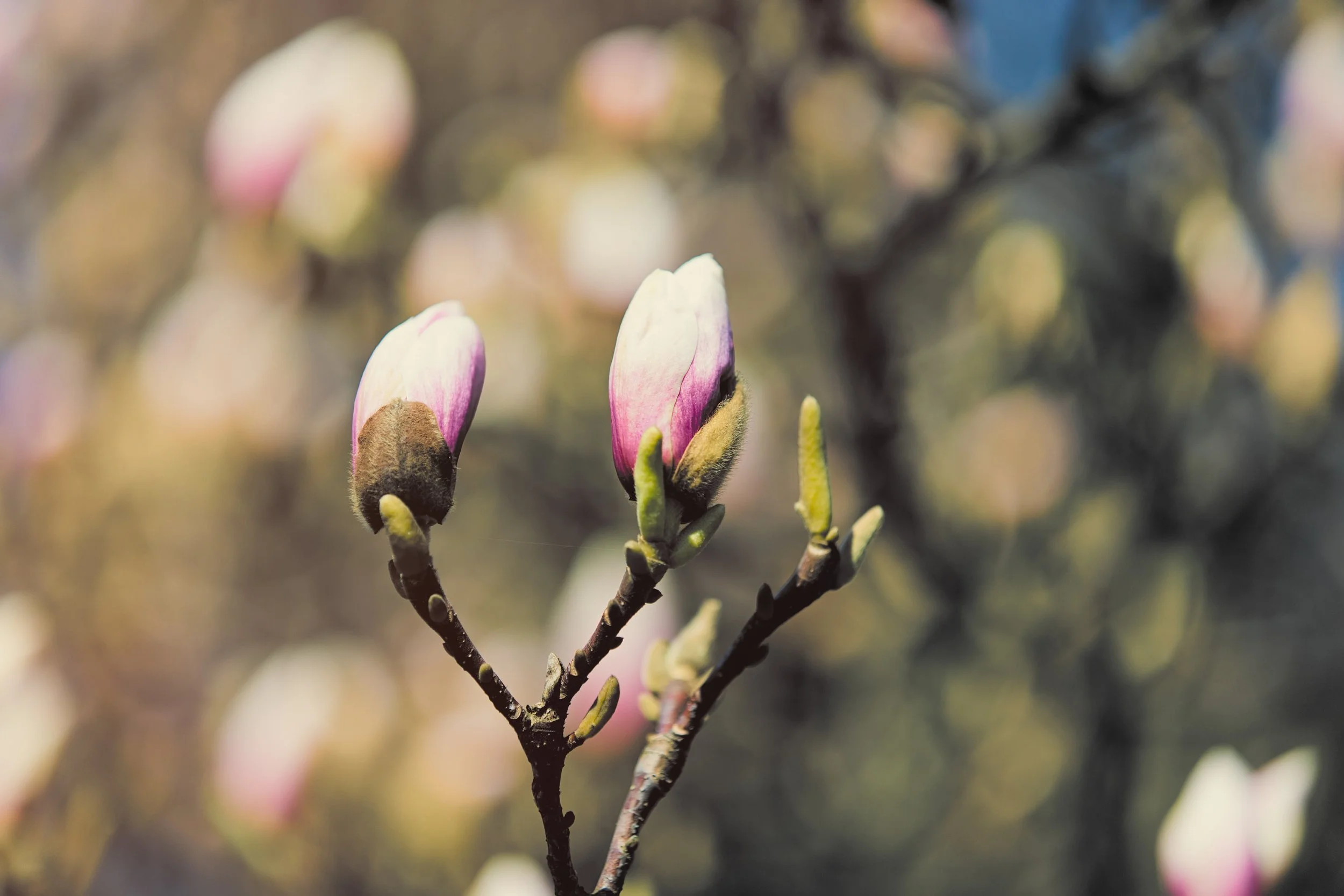
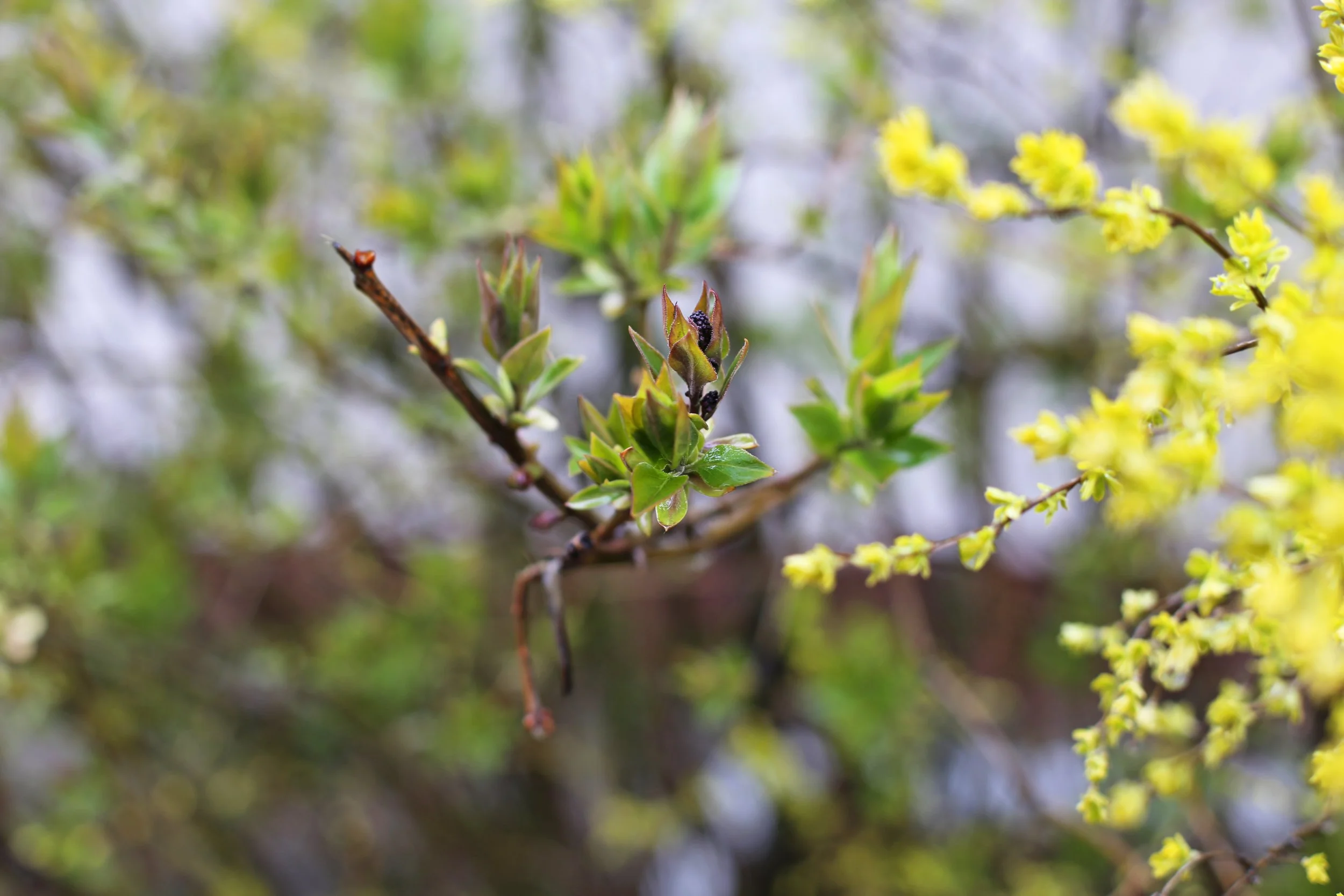
Little by little, things are showing back up, and before long, that Arctic blast is just going to be a memory.
Spring has a way of happening, one way or another.

Cameron Rees, General Manager
And speaking of spring, we’re just about up to full speed at the garden store! The sales lot has been set, displays are built, and the gaps that have been so dominant for the last few weeks are just about all filled in. We’re ready!
If you’re ready too, come see us! We’ve got a great crew that’s eager to help you out and show you around. Spring is a beautiful time of the year. Come check it out!
Hope to see you soon!
—Cameron Rees
WHAT’S NEW? BULK COMPOST!
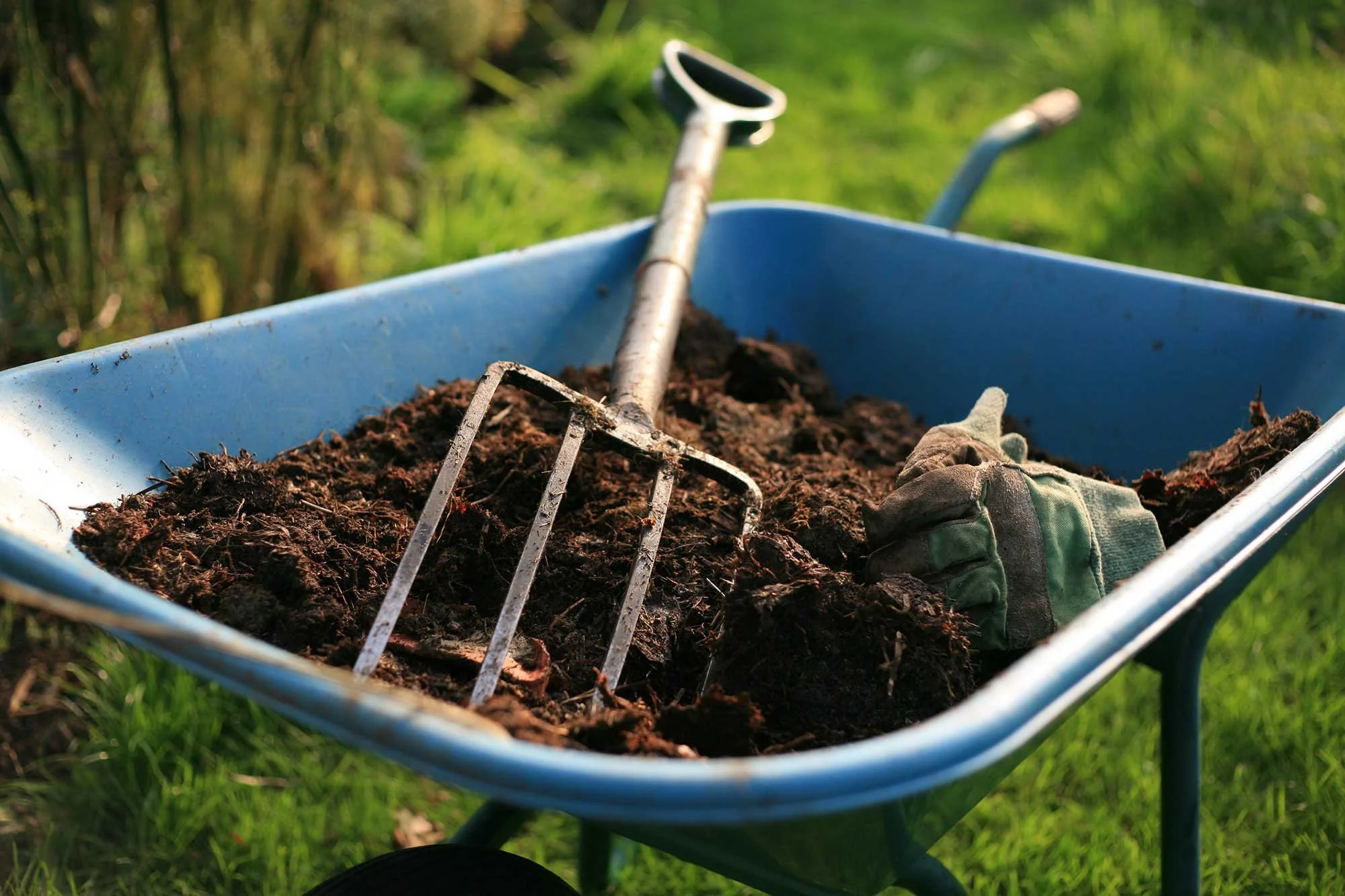
We’ve always had great bagged compost products, but we’ve never stocked bulk compost...until now!
We have added a new OMRI-certified compost product to our lineup this spring. Bags came first, and then just a few weeks ago, we added a large bulk pile as well.
Whether you need a few bags in your trunk or a large pile in your truck, we’ve got you covered!
bare Root Fruit Trees... It’s Time to Plant!
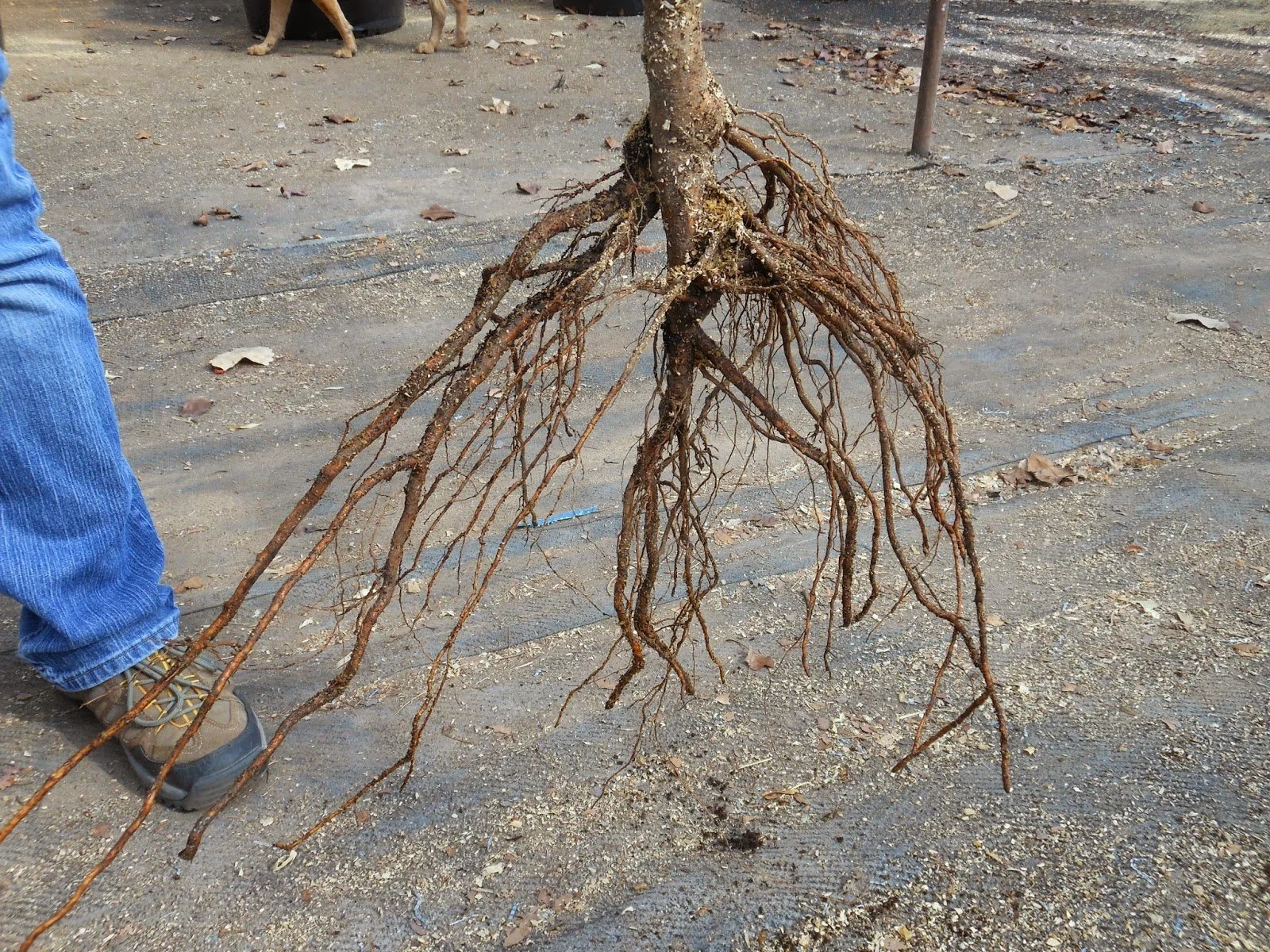
If you’re in the market for fruit trees this season, we have lots to choose from. And if you like the idea of saving a little money as well, we’ve got a great option for you... plant bare root!
So, what’s bare root? Well, it’s just like it sounds, the roots of the plant are bare. Isn’t that simple?!
Here’s how that works.
Fruit trees are grown in nice rows in large fields, a lot like the corn and soybeans we see around here. At the end of the growing season, those trees are harvested. A large machine goes through the field, straddling the row, undercutting the trees, and lifting them out of the ground. At this point, the trees have “bare roots”. Harvesting crews collect the trees, quickly transporting them into a large warehouse-like cooler for sorting, grading, and storage.
From this point on, trees are kept dormant by keeping the temperature near freezing. The roots are kept moist by watering them down on a regular basis. It’s a cold, damp existence. Those coolers aren’t a lot of fun to be in, but for the dormant fruit trees, it’s perfect.
When springtime comes around, growers ship those trees out to orchards, nurseries, and garden centers like ours.
They come to us on refrigerated trucks. We then quickly move them into a large refrigerated storage area of our own. Like the facilities they came from, ours is cold and damp, perfect for keeping them happy.
And that’s the key, proper storage.
If you’ve had a bad experience with bare root plants in the past, there’s a pretty good chance you purchased something that had been sitting on a box store shelf for weeks at room temperature or that shipped through the mail, spending who knows how long sitting in distribution centers and delivery vehicles. Not good.
Bare root, when done right, is not only easier and less expensive, but it’s also very successful.
So why handle things like this?
First of all, like I just said, it’s a lot easier. Without soil on the roots, trees are a lot lighter and therefore, easier to handle.
Second, despite what a lot of people think, bare root plants are easier and more successfully transplanted.
Lastly, it’s cheaper! No soil means easier handling, from start to finish.
Still got questions? Just stop by and ask!
—Cameron Rees
“Thymely” Advice... Homegrown is Best!
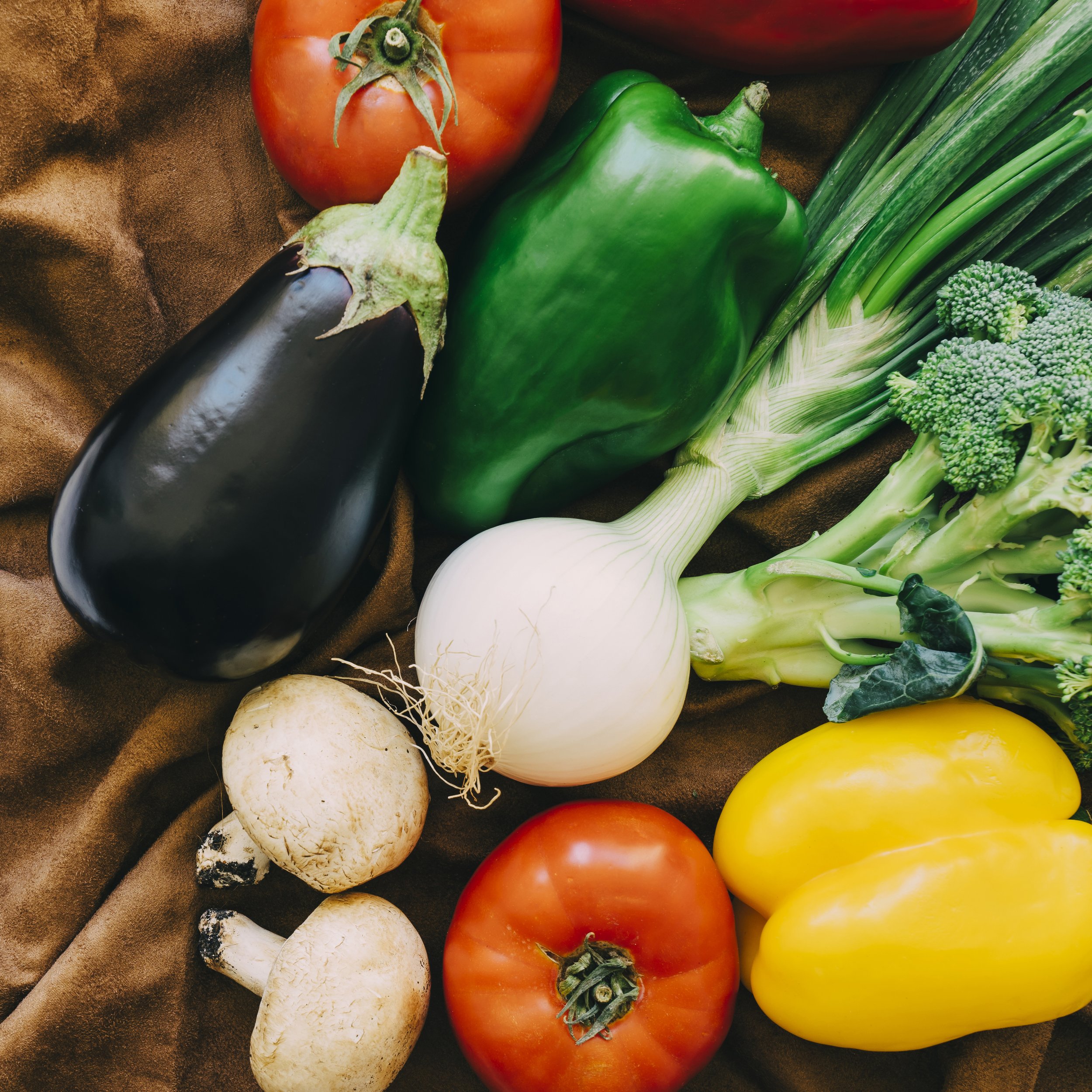
As you think about your outdoor plans this year, let’s take a moment to talk about why homegrown veggies are more than a hobby corner of your lawn. Growing your own herbs, fruits, and vegetables provides opportunities to improve your nutrition, lifestyle, and more. Take a look at the list below.
Top 10 Reasons to Grow Your Own Veggies:
1. Improved Nutrition: Homegrown veggies are consumed at their peak, providing more vitamins than shipped ones! Store-bought veggies quickly lose nutritional value.
2. Superior Flavor: Store-bought veggies are often picked early and ripen off the plant, whereas homegrown ones are naturally ripened by the sun, giving a much better flavor.
3. Save Money: In today’s society, saving money is high on the list. Seeds cost just a few dollars and yield a high volume of produce.
4. Chemical Control: This gives you control over what gets sprayed on your veggies, unlike store-bought, where you never know what chemicals have been used.
5. Physical Activity: Gardening gets you outside to enjoy the fresh air and get a little exercise in.
6. Environmental Sustainability: You reduce the carbon footprint by eliminating the shipping, packaging, and commercial storage of vegetables.
7. Increase Variety: With all the different varieties available, you can choose your favorites or try something new!
8. Increased Food Security: Growing your own food makes you less reliant on supply chains and more adaptable to food shortages.
9. Mental Well-being: Working with nature is a therapeutic, relaxing hobby that reduces stress.
10. Educational Opportunities: Encourages people to eat more vegetables, and you can learn the makeup of your soil.
Now that you’ve read the list, we know you are ready to get planting!
—Misty Brown
Stop the Wind!
Strong winds are a fact of life around here. I don’t enjoy that fact.
The cold and the heat, I can deal with those, but the wind...it beats me down. And I bet I’m not the only one!

While we can’t stop the wind, we can certainly have an impact on it. That’s where windbreaks come into play. Windbreaks can be lots of things...evergreen trees, deciduous trees, or even large shrubs.
Anything you plant, if it gets big enough, it will help knock down the wind. The key is getting something planted.
Just like planting trees for shade, time is the real issue. Planting gets the process started, but time...along with some TLC...is what gives us large trees and shrubs down the road.
Here are some tips for you:
Don’t put off planting! Time in the ground is the secret to size and maturity.
Use evergreens to block the winter winds. Use deciduous and evergreen plants for summer winds.
Winter winds come predominantly from the north/northwest, summer winds come predominantly from the south/southwest. Position plants accordingly.
Diversity is always a good idea. Planting monocultures (every plant being the same) can lead to devastating insect or disease issues.
Large shrubs make great windbreak plants, too!
Windbreaks can also provide privacy, helping create better outdoor landscape spaces.
If wind is an issue, and you need help figuring things out, come see us, and we’ll try to help!
—Cameron Rees
Almost Out of Time!
What a spring this has been so far!
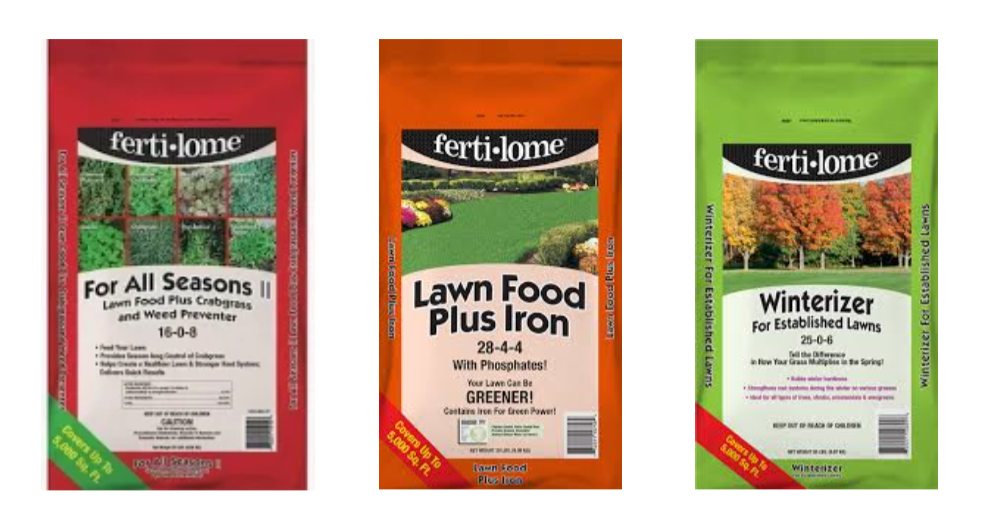
With the ups and downs of the weather and the temperatures changing so drastically over the past few weeks, you could have a hard time trying to figure out when exactly you should be putting down your Red Bag, Fertilome For-All Seasons II Crabgrass Preventor Plus Lawn Food. Don’t stress, you still have some time to get it down and still be effective; however, I wouldn’t wait much longer!
Think about it like this: when the redbuds have wrapped up blooming, it’s a good sign that it’s too late to put the Red Bag down. Well, the redbuds are in full bloom right now...at least what’s left of them following that freeze a couple weeks ago!
I suggest you stop in and pick up your RED Bag today. As always, we are here to help!
—Melissa Anderson
Perennial of the Month: Hellebores... aka the Lenten Rose
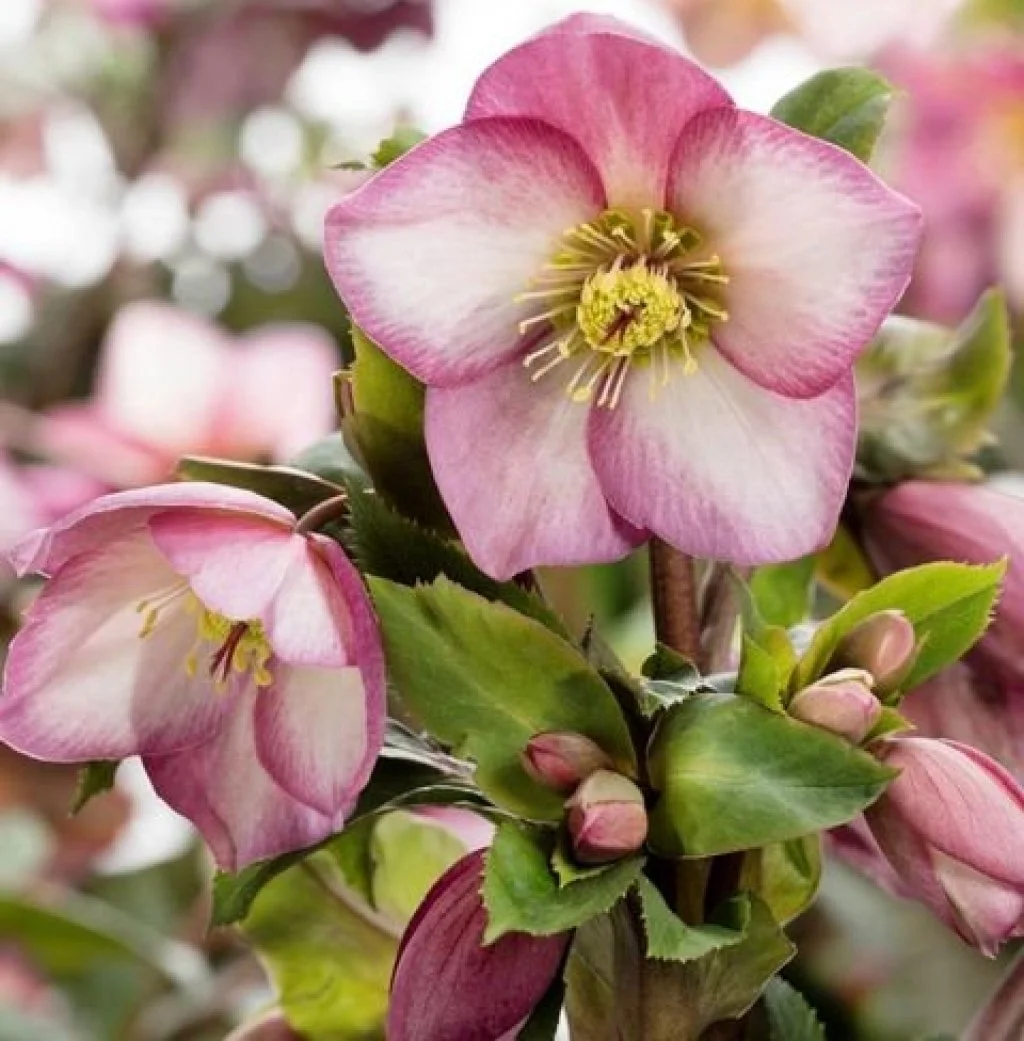
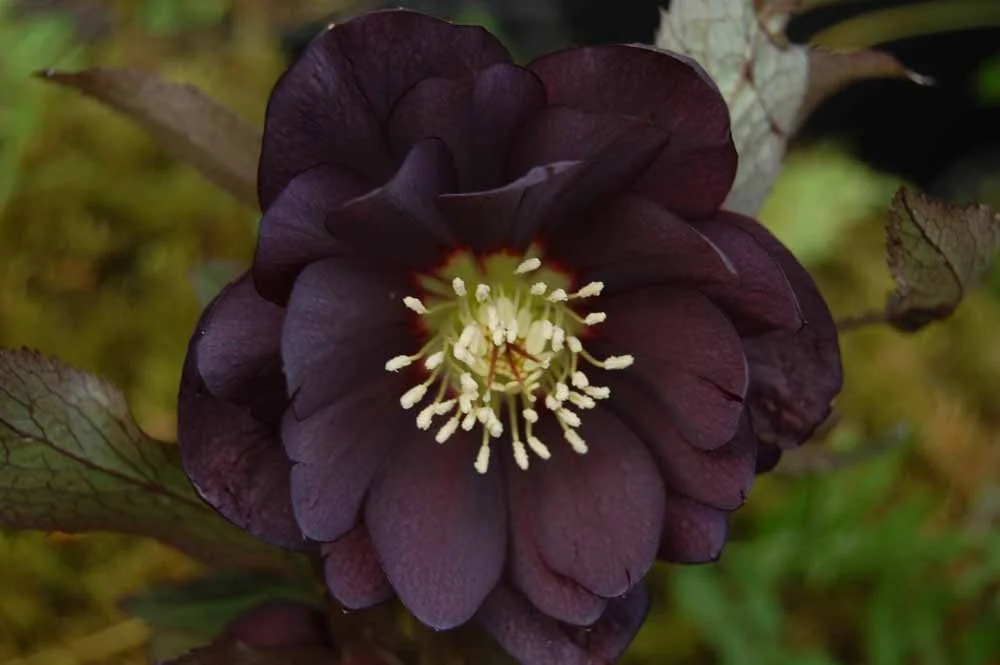
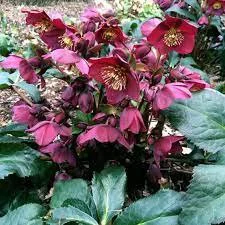
How many are familiar with Lenten Roses, maybe you know them as Hellebores. Maybe you haven’t heard of either of them, so I will give you a little info. Lenten Roses are not a rose, let’s start off with that. They are in the Buttercup family, notably because their blooms are somewhat shaped like a buttercup. Lenten Roses or Hellebores are found in shady woodland areas which makes them a great addition to any shade garden. They start to bloom super early in the Spring and sometimes even in the snow. The flowers often hang like bells and come in a wide range of pinks, whites, and even black. Lenten Roses will add beautiful color, texture, and habit to your shade garden.
—Misty Brown
more EVENTS, SALES & ANNOUNCEMENTS:
Keep an eye on this section in the future for important info and extras you won’t want to miss!