

I was caught by surprise when my son stepped out of the house and into the back yard.
I was expecting my wife.
She’d been gone for a couple days, traveling for work and she was due to be home at any time. I was expecting her. I was hanging out with some friends in the back yard when she got home. With all the fancy new apps we have on our phones, I could tell the garage door had just opened and closed. So, I wasn’t surprised to see her when she came out the back door...happy...but not surprised. But right behind her came Cooper.
I had to do a double-take!

He’s a traveling nurse, and for the last 6 months, he’s been working in San Francisco. Earlier this spring, there were plans being made for a visit back home, but unfortunately, plans changed. Things weren’t lining up the way he had hoped, so the visit home got cancelled...at least, that’s what I was led to believe.
Unbeknownst to me, he and my wife had been secretly working on new plans for a return visit home, and they thought it would be fun to keep me in the dark and make it a surprise.
It was!
And a great one at that!
Now that the kids are all grown up and on their own, having them back at home is a lot different...and in a good way. Parents of older children probably get that.
Anyway, Cooper hung out with us for a few days, we got some time to catch up, and I got to enjoy a very unexpected, but very pleasant surprise. Those are nice once in a while.
And speaking of pleasant surprises...

Cameron Rees, General Manager
Spring marches on, and along with it come a whole host of small, pleasant surprises if you’re willing to take the time to enjoy them. New growth and new flowers are everywhere, all you have to do is take the time to discover them...along the roadside, in the prairie, in the timber...and hopefully in your garden too.
If not, maybe it’s time to do something about that. We can help.
—Cameron Rees
WHAT’S NEW?REDBUDS!
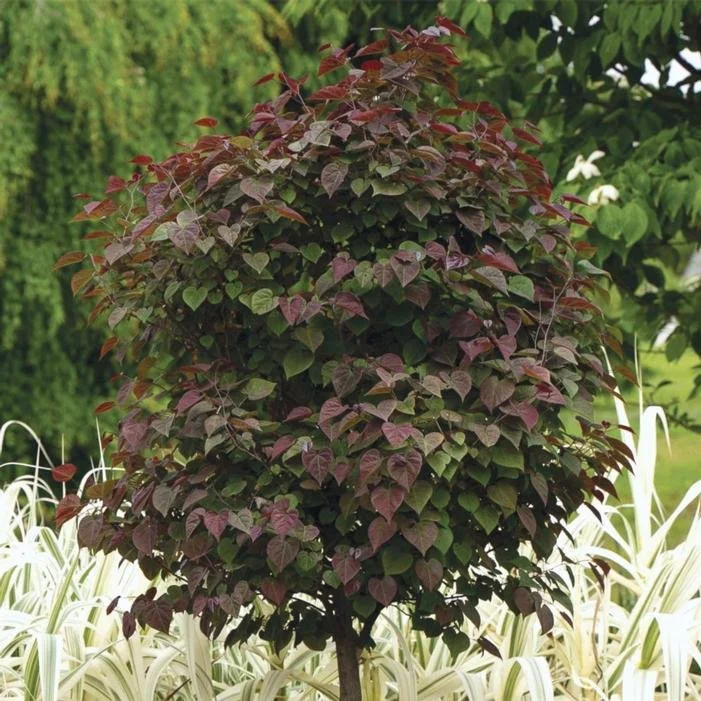
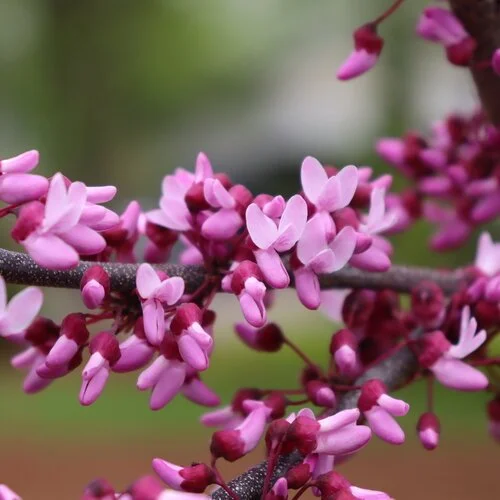
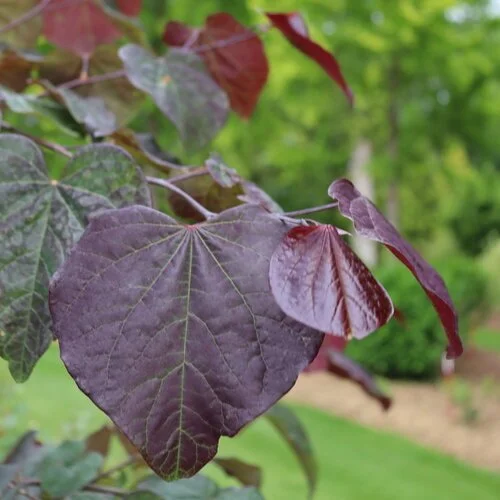
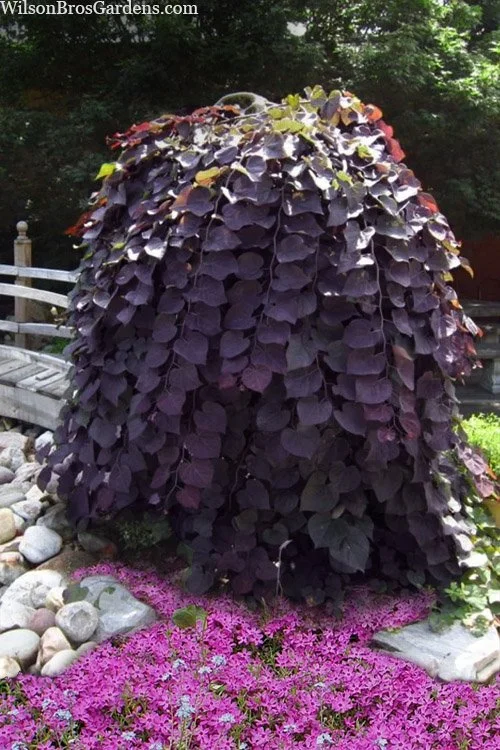
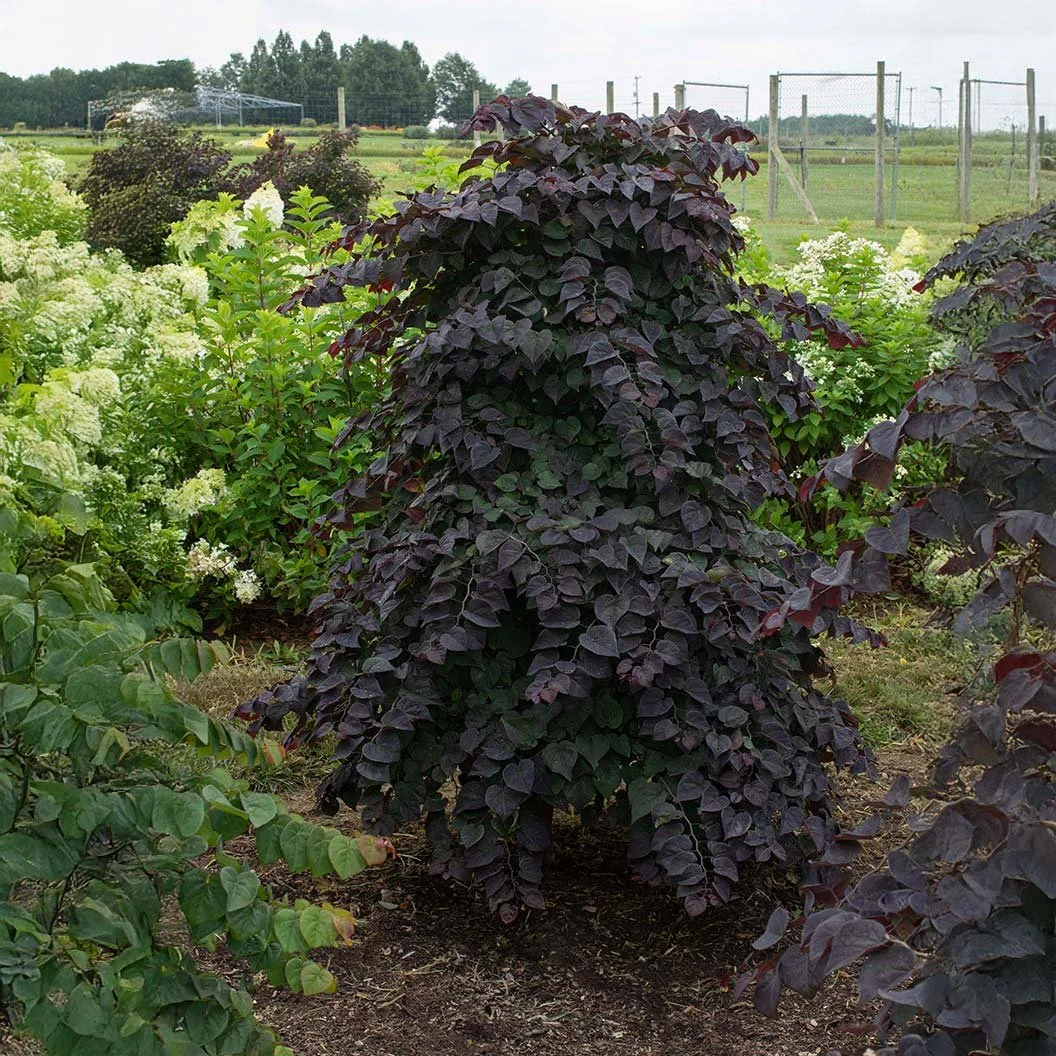
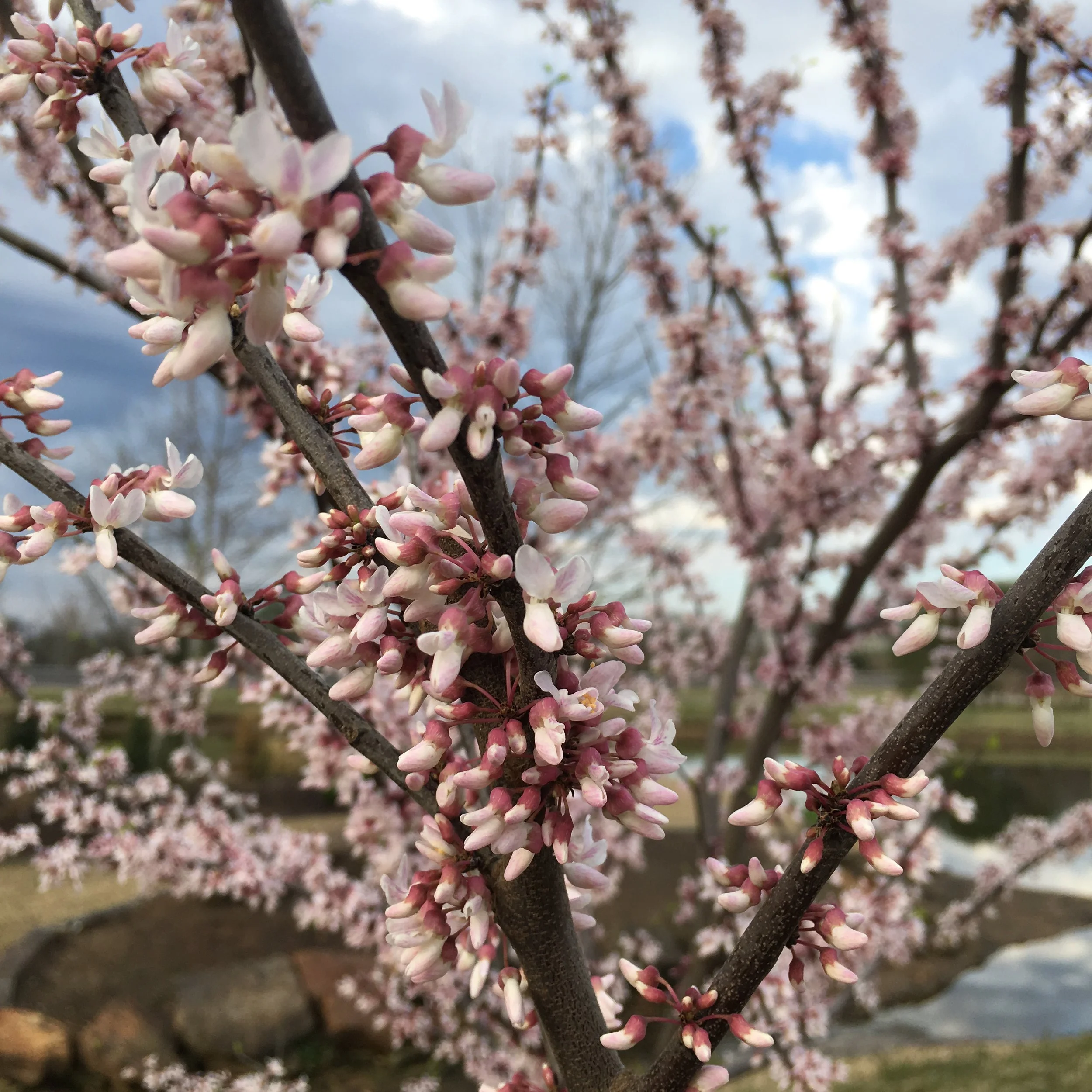
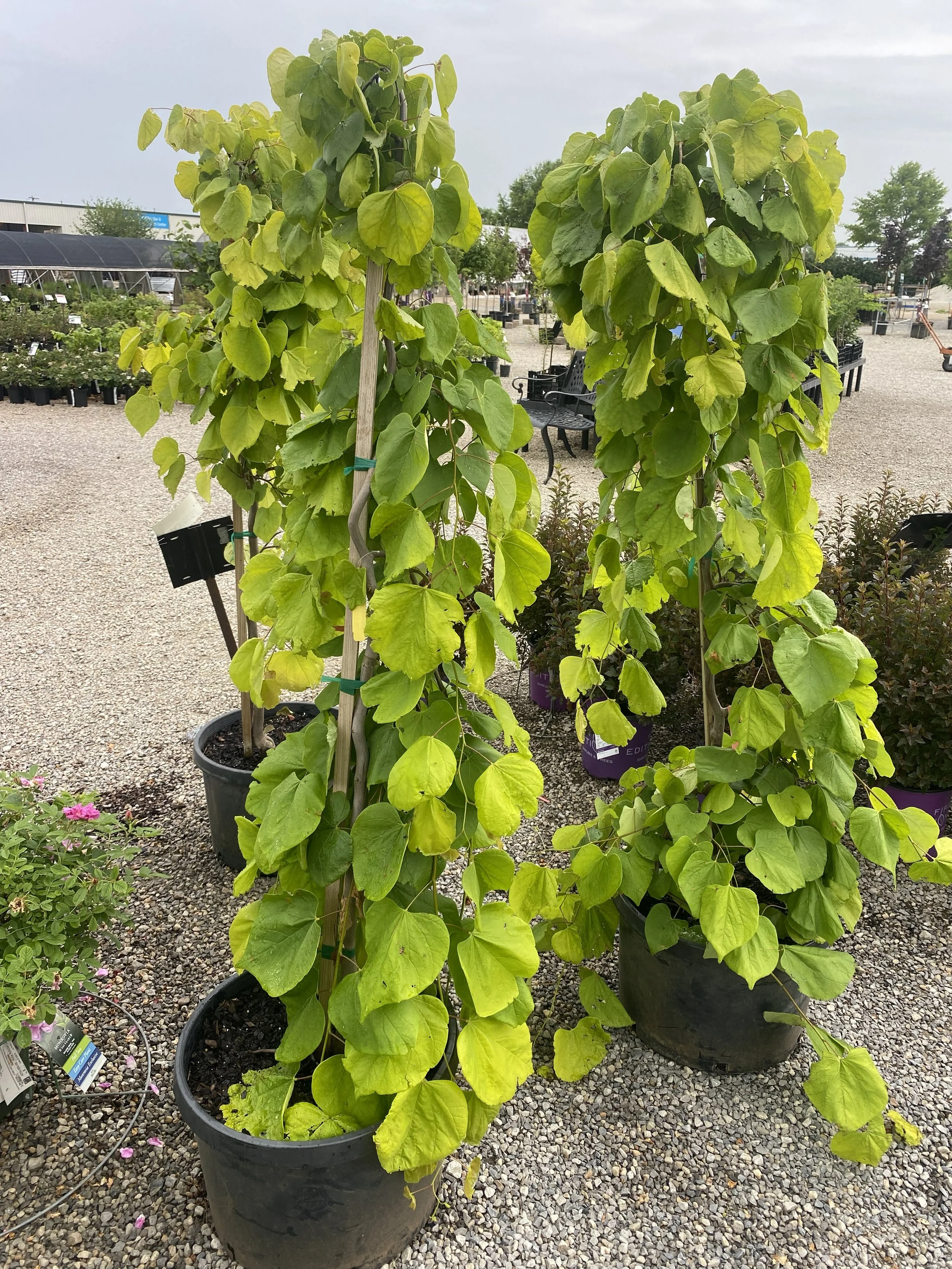
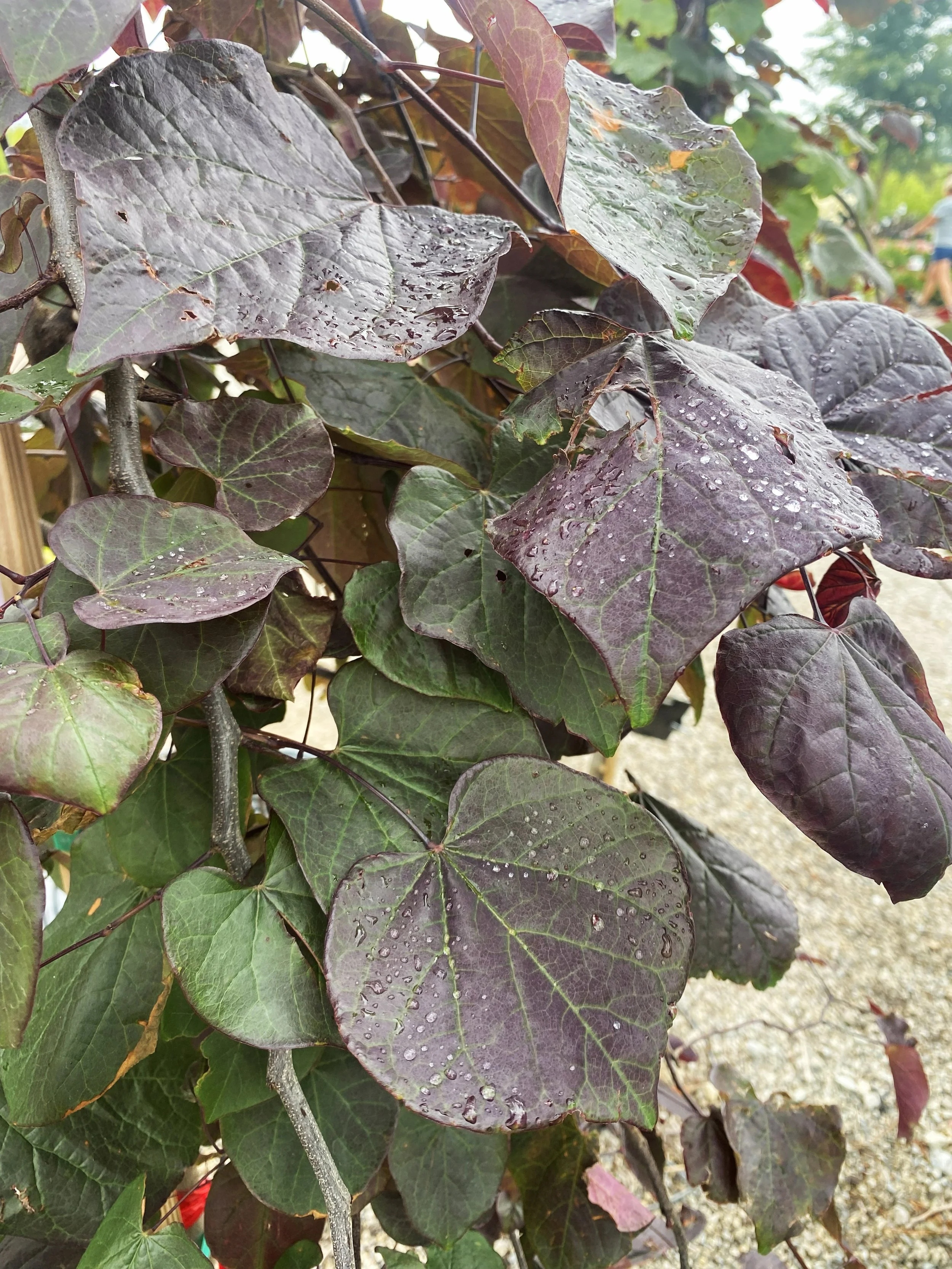
Redbud has always been one of my favorites. I love the way it dots the timber every spring with spots of lavender-pink, and I love the way they fit just right into a landscape around our homes. This native ornamental tree is a garden staple...and it’s becoming more so all the time.
There have been some attractive variations from the norm for a long time. White Flowering Redbud, sometimes just called Whitebud, offers everything the species does but with white flowers. Forest Pansy Redbud gave us a version with burgundy foliage at the start of the season, and a generation ago, Lavender Twist Redbud made its way onto the scene, bringing us the first weeping version of redbud. Since then, it’s only gotten better.
With every new discovery, plant breeders saw opportunity. New forms were incorporated into breeding programs, and it wasn’t too long before the world of redbuds began to change forever. The list of redbuds we get to plant in our gardens is long...and it’s ever-changing. Variations on foliage color, flower color, growth habit, and size abound. Here are a few recent additions at the nursery.
‘Cotton Candy’ – This is a soft pink flowering selection made by a Kansas nurseryman and offers a nice contrast to the lavender-pink of other trees.
‘Garden Gem Amethyst’ – Dwarf redbuds have been around for a while, but a dwarf redbud with burgundy foliage, now that’s something new! Maturing around 10’ tall and wide, this form works out well in places where most small trees are still too big, and with burgundy foliage, it makes a dramatic specimen!
‘Golden Falls’ – A strongly weeping redbud with bright golden-yellow foliage. Lavender-pink flowers in the spring and a narrow, cascading silhouette, growing 6-10’ tall and only 3-4’ wide.
‘Midnight Express’– This introduction from Proven Winners has deep burgundy foliage that holds on well throughout the season, with size and flowers typical of the species.
‘Purple Rain’ – This new weeping election boasts rich burgundy foliage, a strong weeping habit with beautiful rosy-pink flowers in the spring, reaching 6-8’ tall and wide.
And there are even more exciting forms to choose from, and best yet, many are now currently reduced in price by 20-50% off!
—Cameron Rees
“THYMELY” ADVICE: Grub control
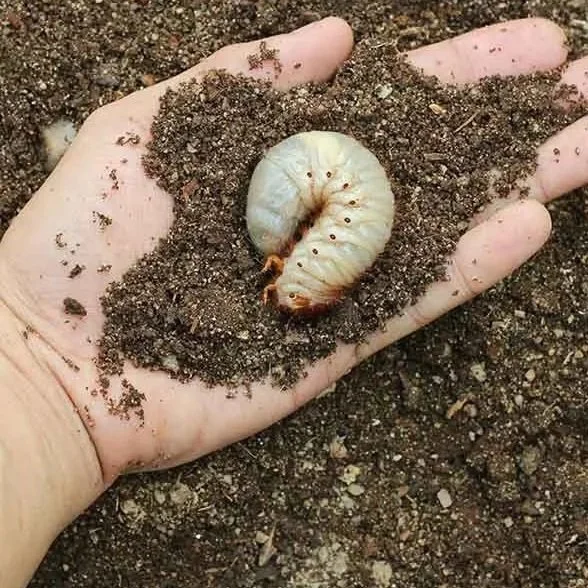
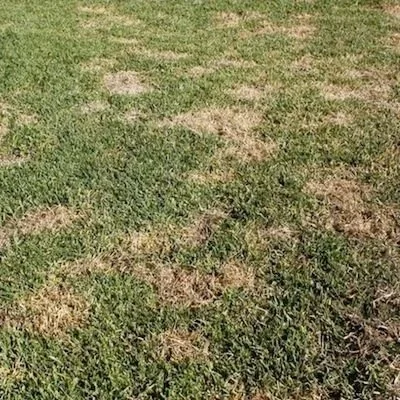
It’s getting to be that time of year again...time to get your turf treated for those ugly grubs.
Grubs are the larval stage of various types of beetles. When they begin to hatch, they feed on the roots of your grass and other plants, causing damage. They are typically white or creamy-white with a reddish-brown head, and curl into a C-shape when disturbed.
Lawns that have had a history of grub damage can be treated with Hi-Yield Grub Free Zone before the young grubs hatch. Hi-Yield Grub Free Zone works by interfering with the transmission of nerve impulses in grubs and has a low toxicity rating for humans and pets. This should be applied in June to early July, but can be applied as early as late May. Granules should be applied on a dry surface and watered in after application, with cleanup of any stray granules.
Take the right steps to ensure you maintain a great-looking yard. Stop in today to get a bag. Let our friendly, knowledgeable staff help you with all your gardening needs this spring.
—Melissa Anderson
more EVENTS, SALES & ANNOUNCEMENTS:
Keep an eye on this section in the future for important info and extras you won’t want to miss!